Why Does Nutrition Matter For recovering Athletes?
Understanding Nutrition As A healing Athlete
EVERY REP, EVERY MILE, EVERY COMEBACK — YOUR BODY NEEDS FUEL
When you’re injured, your body isn’t “resting.” It’s rebuilding. Tissue repair, inflammation control, immune support, and strength preservation are happening in the background 24/7 — even if your training volume drops.
This is the mindset shift that changed recovery for me:
Rehab is work. Nutrition supports the work.
I’m not a dietitian. I’m a recovering athlete who had to learn this the hard way. This page is here to make it clear, realistic, and useful — without turning nutrition into another thing you have to be perfect at.
Disclaimer: Educational only. Not medical advice or a personalized nutrition plan. Healing needs vary based on injury, surgery, medications, and medical history. For individualized guidance, work with a licensed sports dietitian and/or your healthcare team..
Recovery is a different season
One of the most frustrating parts of injury is that the rules feel like they change overnight.
You might be training less, but your body is doing more internal work. Your routine gets disrupted. Appetite can drop or swing. Stress is higher. Sleep can get weird. Body image thoughts can get louder. And then nutrition becomes emotional, not just physical.
Recovery is a season where your goal isn’t “peak performance.”
Your goal is: support healing + protect strength + stay consistent enough to return.
What nutrition actually does during healing
Nutrition isn’t just calories. In recovery, it becomes your support system.
1) It supplies energy for repair
Healing takes energy. If you consistently under-fuel, you may feel flatter, more fatigued, and less prepared to handle rehab. This isn’t about overeating — it’s about not trying to rebuild on empty. (Read this Research →)
2) It protects muscle and strength
Injury can reduce training and movement. Nutrition—especially adequate protein and overall intake—helps protect lean mass so your comeback isn’t starting from zero.
3) It supports rehab tolerance
PT sessions are not “just stretching.” They’re training. What you eat (and whether you eat at all) can affect how steady you feel in the session and how well you recover afterward.
4) It supports immune function and recovery capacity
Your immune system, sleep quality, stress response, and recovery all connect. You don’t need “perfect foods.” You need consistent support.
5) It stabilizes mood and focus
Injury stress is real. Stable fueling doesn’t solve everything—but it can reduce the intensity of energy crashes, irritability, and that “everything feels harder” feeling.
THE RESEARCH BEHIND THIS:
PMC — Energy requirements during healing (Read this research →)
UNC Sports Medicine — Muscle loss during immobilization (Read this research →)
ScienceDirect — Nutrition and immune function in injured athletes (Read this research →)
Frontiers — Under-fueling and emotional distress in athletes (Read this research →)
The biggest recovery trap (that I fell into)
“I’m training less, so I should eat less.”
This is where a lot of athletes get stuck — because it sounds logical, but recovery isn’t just about movement. It’s about rebuilding. When I under-fueled, rehab felt heavier, my energy dipped, and consistency got harder.
The goal isn’t to eat like you’re in a full training cycle.
The goal is to eat like you’re rebuilding.
The pillars that matter most (high-level)
Energy (Carbs + Fats)
These help you meet recovery needs and show up to rehab with capacity. Carbs support rehab and brain function; fats support hormones, vitamin absorption, and satisfaction (which helps consistency).
Protein (Repair + preservation)
Protein is your repair crew. It supports tissue rebuilding and helps protect muscle when training is limited.
Hydration (Fluids + Electrolytes)
Hydration supports circulation and delivery of nutrients to healing tissue. It also affects energy, headaches, stiffness, and digestion.
Micronutrients (Vitamins + minerals)
You don’t need to memorize a vitamin list. Just know this: micronutrients run the reactions that support energy, bone health, immunity, and repair.
What “good recovery nutrition” looks like in real life
Not perfect. Not tracked. Not obsessive.
For me, it looked like this:
eating consistently enough that I wasn’t constantly running on empty
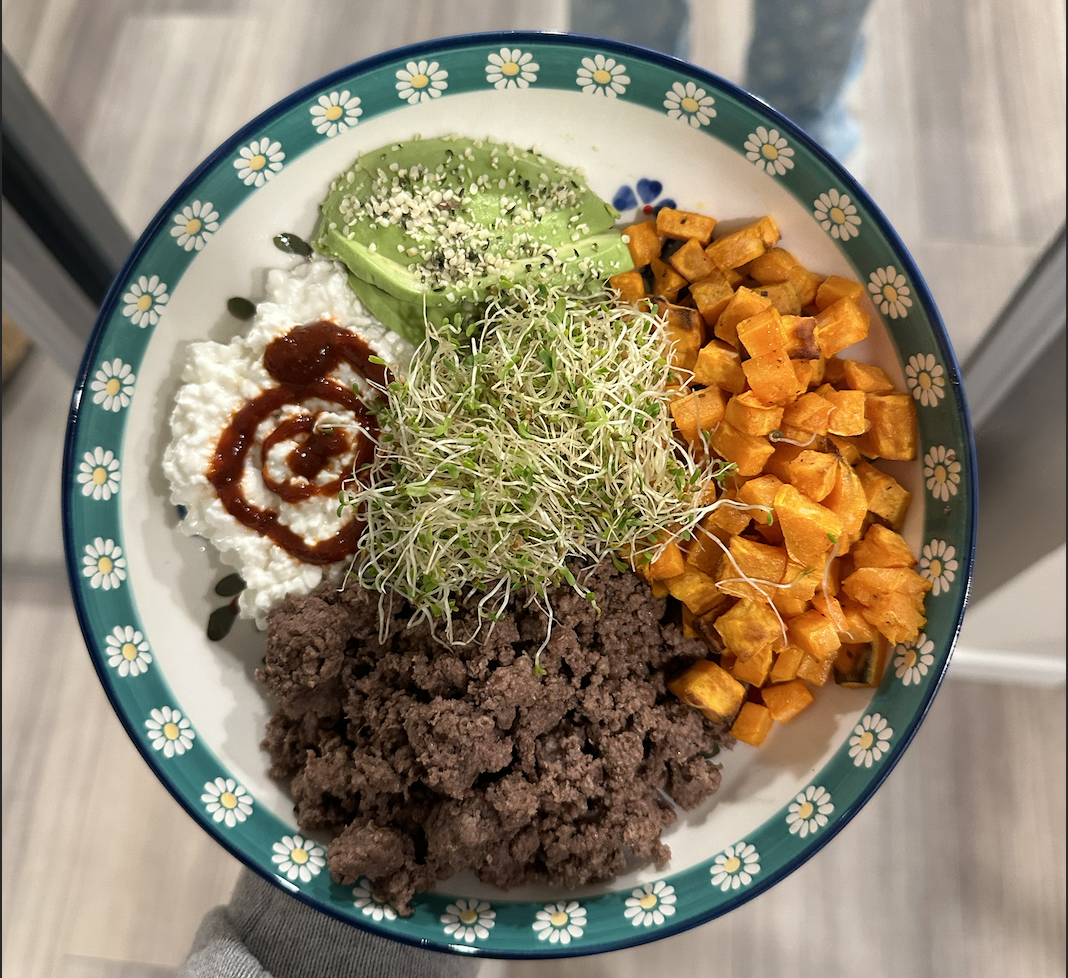
building meals that felt complete (not just “random snacks”)
making rehab days supported (I didn’t feel like I had to earn food — I needed to fuel work)
having a plan for low appetite days so I wouldn’t disappear into long gaps
knowing when to get support instead of guessing

Expert-Backed Resources I Used During My Recovery
As a big researcher with a curious mind, I wanted to seek out the best resources to support my nutrition while recovering. The following are some of the most credible and helpful sources I utilized:
ASPDA - Downloadable Resources
Why I like this resource: ASPDA is strong because it’s built by sports/performance dietitians who work directly with athletes, so the content stays practical and sport-relevant (not generic wellness). Their Downloadable Resources are especially useful—including “Sport & Performance Specific” handouts and “Fueling & Recovery” materials that translate nutrition into quick, athlete-friendly tools. And when someone needs more than education, ASPDA also maintains a Full-Time Sports Dietitian List, which gives athletes a credible direction for finding qualified support instead of guessing online.
NATA (National Athletic Trainers Association)
Why I like this resource: This is one of the most practical injury-nutrition overviews I’ve found because it’s written for the rehab timeline, not just “performance.” It breaks down what matters most in the first 48 hours (common under-fueling, managing post-op nausea/constipation, rebuilding muscle during immobilization, and simple anti-inflammatory food swaps), then moves into continued recovery (protein distribution, alcohol considerations, and when it’s time to refer out). It also includes injury-specific notes (concussion, bone, tendon/ligament) plus concrete tools like a sample meal plan and a rehab-friendly smoothie recipe—useful as examples, not rules.
QUICK REFLECTION (KEEP IT REAL)
Do you feel more steady in rehab when you’ve eaten earlier in the day?
Do you accidentally go “protein-free” at breakfast or lunch?
Are you skipping meals because recovery has disrupted your routine?
Is nutrition feeling stressful or emotional right now?
None of those make you weak. They just give you a starting point.