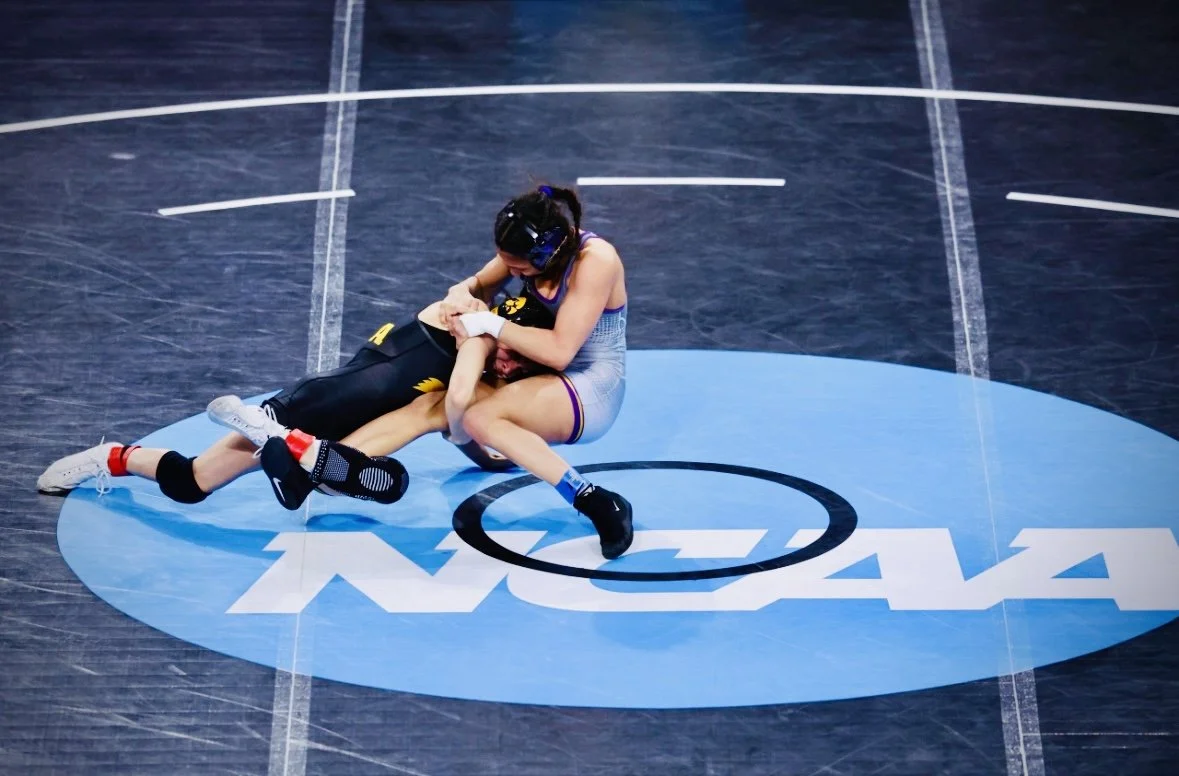
female + Athletes
Photo by Jerod Ringwald — NCAA Quarterfinals
“The care of young athletes should include their empowerment.”
The Female+ Athlete
What the research says, what the gaps are, and what it means for how you train, recover, and return to sport….
WHY THIS PAGE EXISTS
The female athlete is extraordinary — and she deserves resources that treat her that way.
Not resources built on research conducted on male athletes and applied to her body. Not generic injury advice that ignores the hormonal, psychological, and physiological realities that shape her experience. And not a platform that acknowledges she exists without actually understanding what she needs.
As I built RebuildYou, I realized that serving female athletes specifically required more than my own experience. It required the most current, credible research in the space — and the people doing that work.
That led me to Dr. Corinna Franklin at Yale — one of the leading voices in female athlete injury research and the founder of Yale's Female + Athlete Program. I reached out, we connected, and she generously shared her perspective on where the field is, where the gaps are, and what female athletes most need to hear.
This page is built from that conversation.

About Dr. Corinna Franklin & The Female + Athlete Program
Corinna Franklin, MD, AB, FAOA, is a board-certified pediatric orthopedic surgeon, researcher, and dedicated advocate for young athletes — with a particular focus on the female athlete experience. She completed her undergraduate and medical education at Harvard University, followed by residency at the University of Southern California and fellowship training at the Children's Hospital of Philadelphia. She currently serves as Associate Professor and Chief of Pediatric Orthopedic Surgery at Yale School of Medicine.
The Female + Athlete Program takes a comprehensive approach to care, investigating why specific injuries happen more frequently in women, as well as addressing the impact on their mental and emotional wellbeing. The program serves girls and young women up to their early 20s, combining the expertise of athletic trainers, nurses, pediatric orthopedic surgeons, primary care sports medicine specialists, adolescent medicine practitioners, and psychologists.
"We are all experts in understanding the biological needs of female athletes," says Dr. Franklin. "You can't apply a study that has been done on male football players to female volleyball players. Female athletes have different sets of risks, and they may have different sets of needs." — Dr. Corinna Franklin, Yale Medicine, October 2024
What We're Still Getting Wrong About Female Athlete Injuries
BASED ON INSIGHTS FROM MY CONVERSATION WITH DR. FRANKLIN
One of the most important things Dr. Franklin emphasized is that female athletes are still being evaluated and treated using frameworks built for male athletes — and that gap has real consequences.
Strength training needs to start earlier and go heavier than most programs allow. Female athletes are often undertrained in strength — particularly in the lower body — which leaves them more vulnerable to injury. The emphasis on early, progressive strength training isn't just about performance. It's about protection.
The menstrual cycle is an underutilized data point. Hormonal fluctuations across the cycle affect ligament laxity, bone health, energy availability, and injury risk — yet most training and rehab programs don't account for it at all. For female runners and athletes in high-impact sports, bone health in particular deserves more attention than it typically gets. Read More →
The whole athlete isn't being looked at. Dr. Franklin was clear that focusing only on the injured area misses the bigger picture. Hip weakness — specifically the glutes, abductors, and external rotators — is one of the most common underlying contributors to ACL injuries in female athletes. So is poor landing biomechanics and limited core stability. Sleep, eating habits, and overall optimization matter just as much as the specific injury being treated.
Explore Dr. Franklin's published research on female athlete injuries and ACL biomechanics here →
The Gap Between Research and What Athletes Are Actually Being Told
There is no shortage of research on female athletes. The gap is in how that research reaches the people who need it most…
Dr. Franklin identified two areas where she sees the biggest disconnect:
Mental skills and psychological support. The mental component of injury recovery is enormous — and yet adequate resources remain rare. Female athletes navigating injury face unique psychological challenges: managing anxiety about re-injury, processing the loss of identity that comes with being sidelined, and understanding what it means to be away from their team. Psychological support is a key component of the Female + Athlete Program — addressing performance anxiety, body image, and the loss of identity when athletes are sidelined from sport. Most programs don't offer anything close to this level of integrated care. Read More →
Social support and community. The research is clear that social connection during recovery improves outcomes — but athletes are rarely told this explicitly or given the tools to maintain it. Being sidelined doesn't just affect the body. It affects belonging. And that matters. Read the Research →
What Dr. Franklin Would Change About How Female Athletes Approach Rehab
If she could shift how injured female athletes approach their recovery, Dr. Franklin pointed to three things:
Stop focusing only on what's injured. The ACL is the headline — but it's rarely the whole story. Athletes who recover most effectively are the ones whose programs address the whole body: hip strength, core stability, flexibility, and movement quality. The injury is a symptom. The underlying patterns are what need to change.
Look at everything that supports healing. Sleep, nutrition, and lifestyle optimization aren't soft concerns — they're clinical ones. Dr. Franklin emphasized that ensuring everything is optimized — not just the rehab exercises — is what separates complete recovery from partial recovery.
Get psychological support early. Managing anxiety, processing identity loss, and building mental resilience aren't things to address after physical recovery is complete. They're part of the protocol from day one.
How Athletes Can Contribute to This Work
One of the most meaningful parts of my conversation with Dr. Franklin was her emphasis on athlete voice. Research advances when athletes share their experiences — and there are real ways to contribute:
Share your story. Testimonials and first-person accounts from athletes who have navigated injury give researchers and clinicians context that data alone can't provide. Your experience matters.
Connect with others. Creating spaces where athletes can find each other — and find people who have been through what they're going through — is one of the most valuable things a platform like RebuildYou can offer.
Give yourself permission to think about other things. Dr. Franklin noted that one of the most important things athletes can do when sidelined for an extended period is allow themselves to exist outside of their sport identity. That permission is not weakness — it's part of healing.
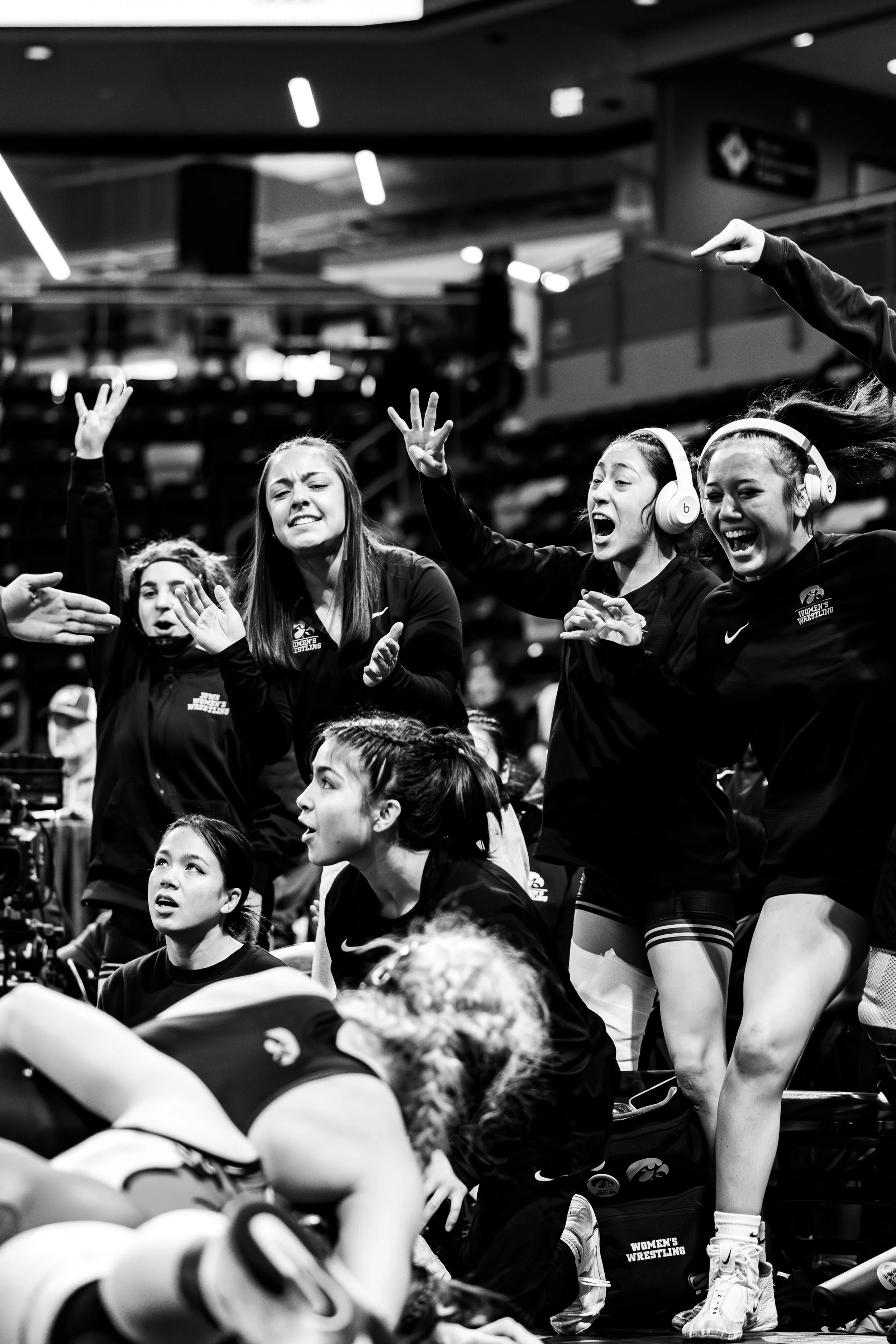
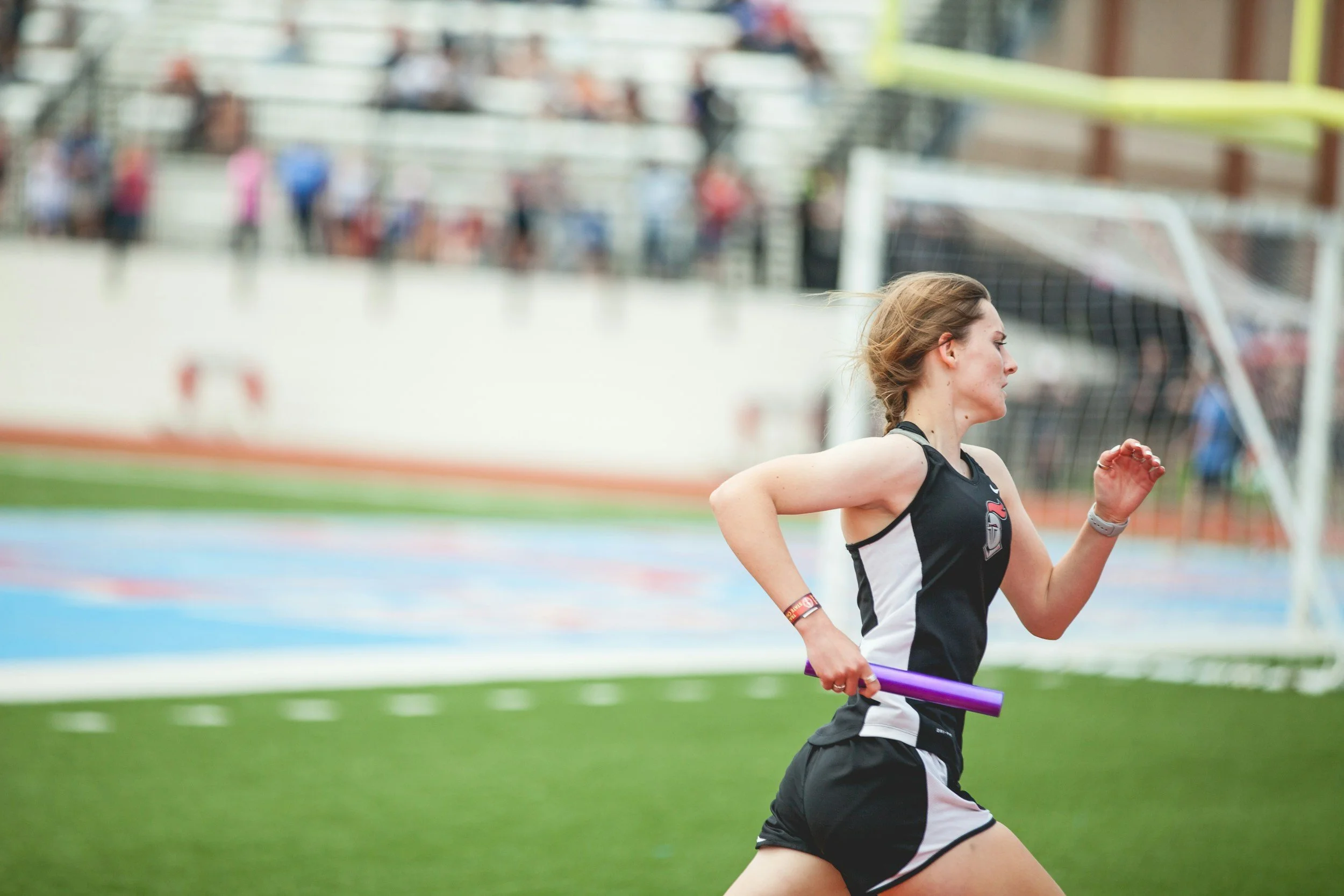
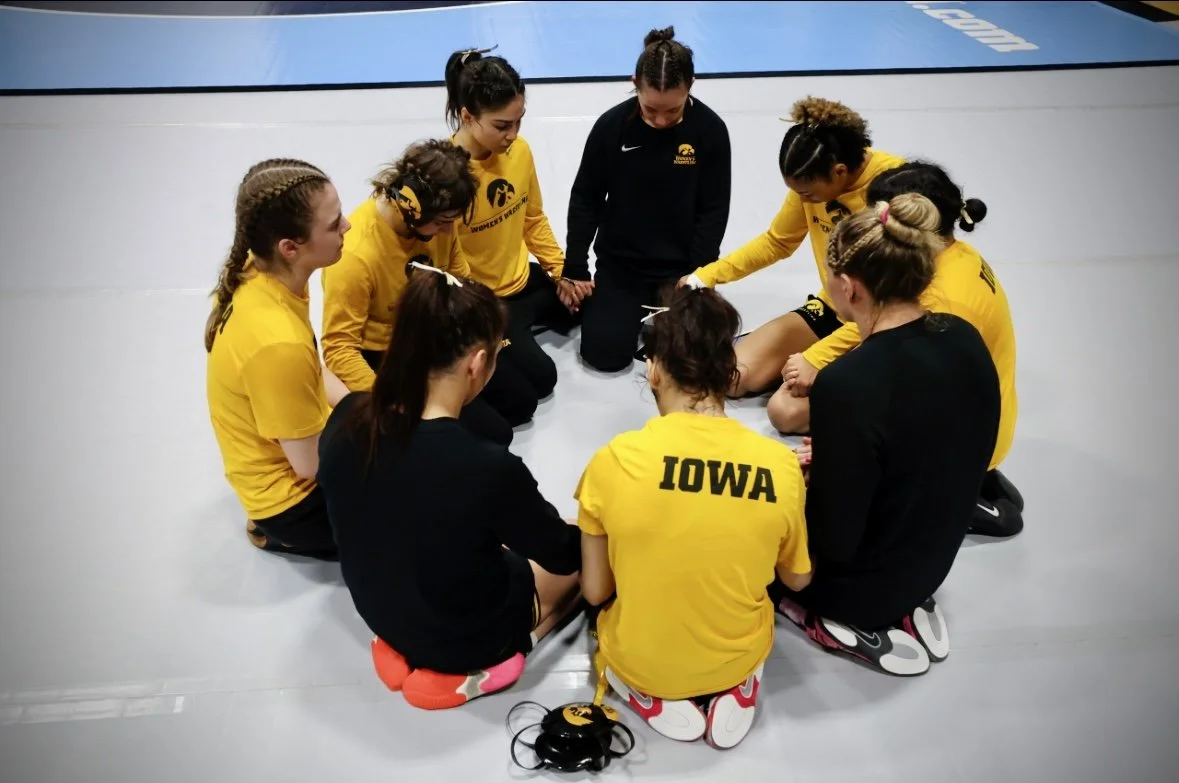
Photo by Jerod Ringwald
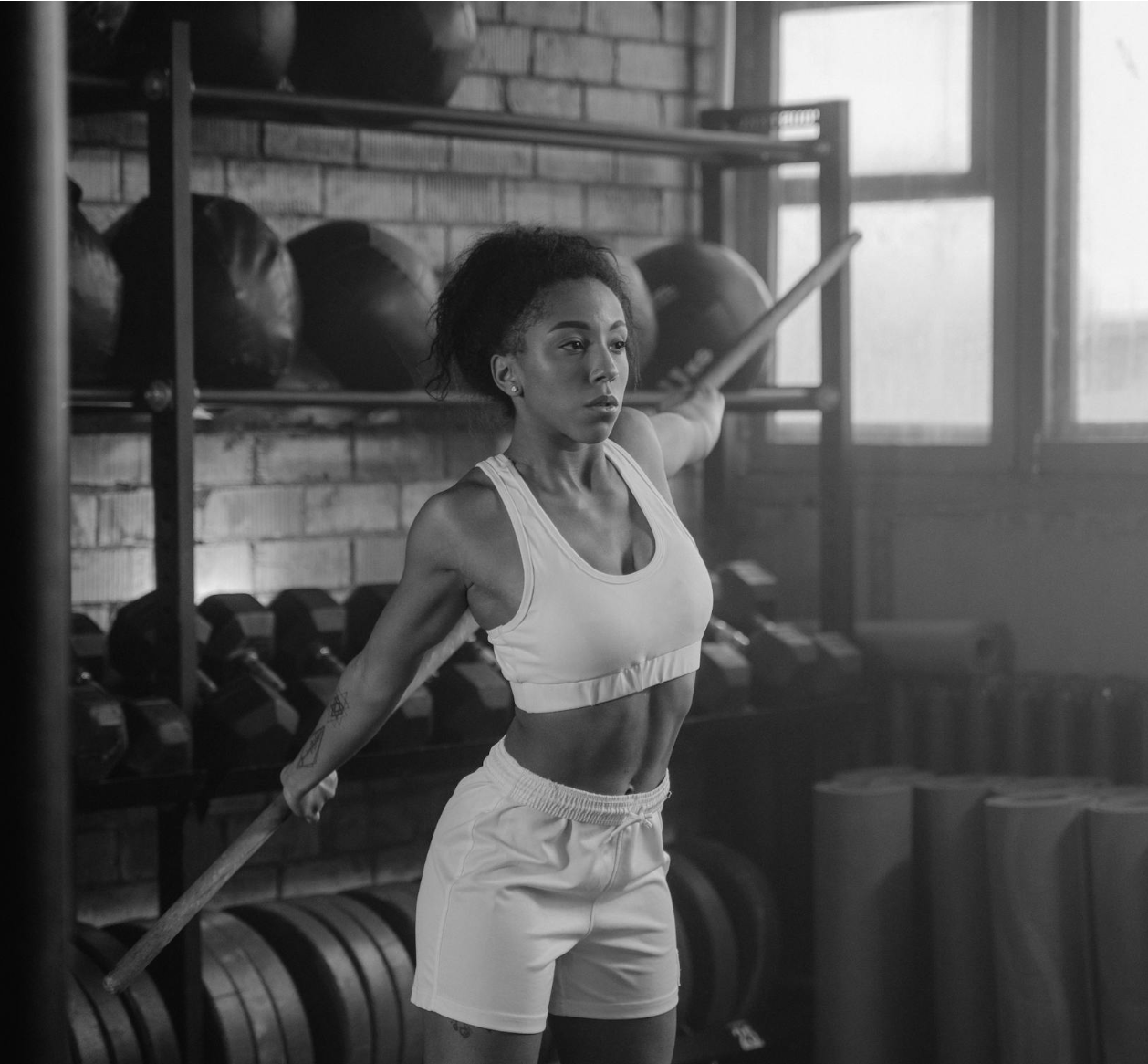
Photo by Stephen Mally