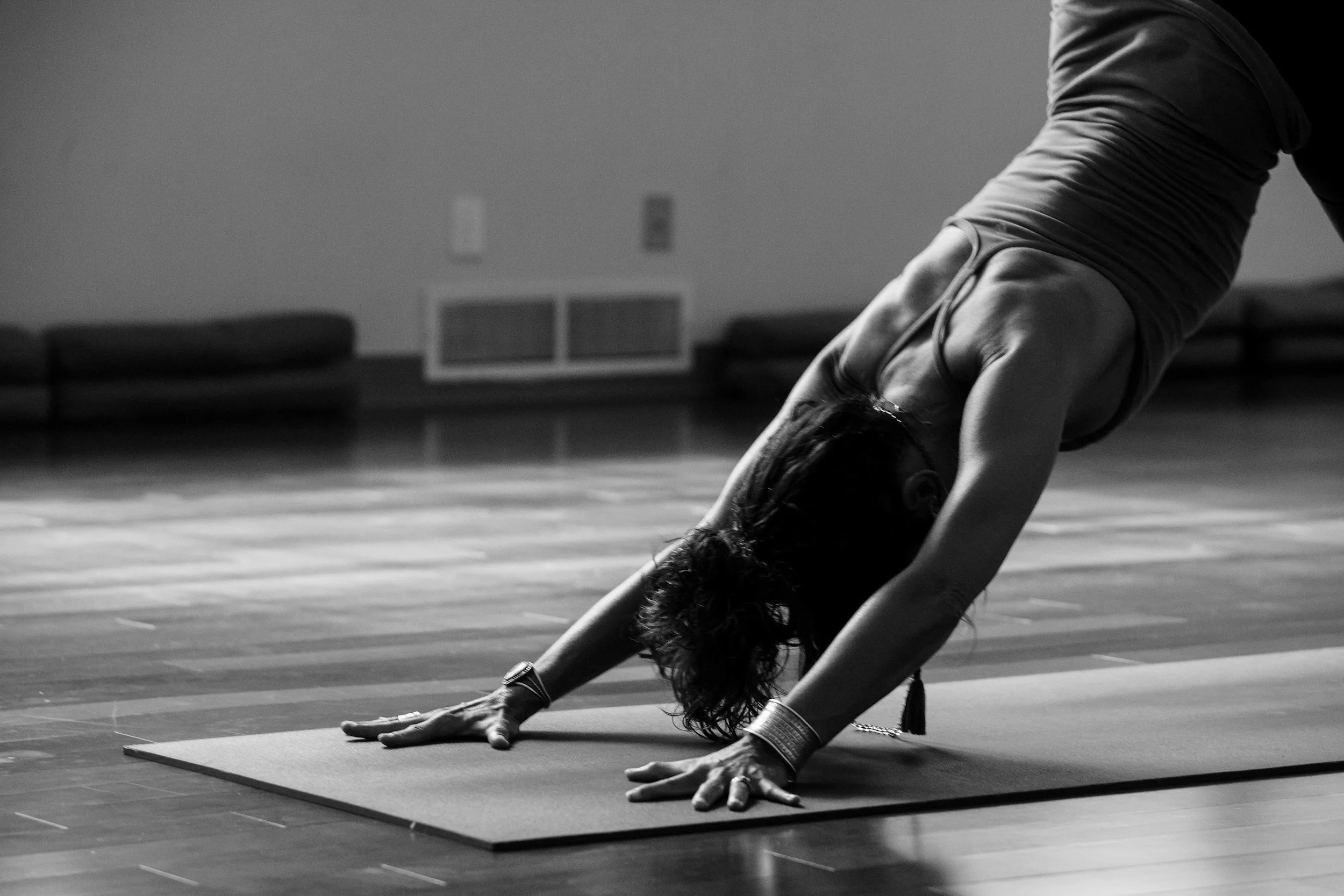
Mental Health in Motion
HOW MOVEMENT BECAME MY MOST POWERFUL MENTAL HEALTH TOOL — AND THE SCIENCE BEHIND WHY IT WORKS
One of the hardest parts of injury for me wasn't the pain. It was the stillness.
I went from dedicating 25-30 hours a week to training and recovery, to being bed-ridden and relearning how to walk. That shift didn't just affect my body — it shook my entire sense of self.
But after a lot of time spent in distress, I had a realization: I could still be active. I just had to change my definition of what active meant.
So what did that actually look like?
In the early months, when my mobility was most limited, I leaned into upper-body strength training and started treating my rehab sessions like a lower-body workout — intentional, structured, purposeful. As my mobility improved, I added bike workouts. When I was up for it, I went on nature walks. When stretching became more comfortable, I started practicing yoga. Swimming became jogging. Jogging became running. And eventually, running became wrestling-specific drills as I entered the return-to-sport phase.
I didn't cut the athlete out of my life. I adapted her.
Rather than completely overhauling my lifestyle, I met myself where I was — at every single stage of recovery. And that decision, to keep moving in whatever way I could, became one of the most important tools I had for protecting my mental health.
What the research says
THE CONNECTION BETWEEN MOVEMENT AND MENTAL HEALTH ISN’T A WELLNESS TREND. IT’S DECADES OF SCIENCE.
An analysis of nearly 1,500 peer-reviewed research articles published between 1990 and 2020 found that 89% of them showed a positive, statistically significant relationship between exercise and mental health (Healthcare Highways — Mental Health in Motion: The Exercise Effect). The connection between your brain and your body runs both ways — movement can literally change how your brain functions, not just how your body feels. (Harvard Health Publishing — How simply moving benefits your mental health).
Heres what the research says specifically:
On depression: Exercise and physical activity can improve depressive symptoms in a way that is comparable to, if not more effective than, traditional antidepressants. A large longitudinal study of nearly 34,000 participants, followed over 11 years, found that even relatively small amounts of physical activity provided significant protection against future depression.
NIH — Role of Physical Activity on Mental Health and Well-Being: A Review
Healthcare Highways — Mental Health in Motion: The Exercise Effect
On anxiety: Regular aerobic exercise can reduce anxiety by making the brain’s *fight-or-flight system less reactive over time.
Harvard Health Publishing — How simply moving benefits your mental health)
On brain chemistry: Physical activity triggers the body to produce endorphins, which reduce pain and boost mood — and it has been shown to improve attention, focus, memory, and decision-making for up to two hours after exercise.
On how much you need: You don’t need an intense exercise regimen to feel the mental health benefits. Starting with light-to-moderate activity, even just once a week, is enough to make a meaningful difference.
Healthcare Highways — Mental Health in Motion: The Exercise Effect.
On movement vs. exercise: Movement doesn’t always have to look like traditional exercise - and it doesn’t have to be all-or-nothing. Finding ways to move that you genuinly enjoy, even small ones, can make a real difference in both mental and physical wellbeing.
MHA (Mental Health America) — Movement for mental health - why it doesn’t have to look like exercise.
*Fight-or-flight response: The body’s automatic reaction to a perceived threat. For athletes, the pre-competition rush is this system firing.

The movement sidebar — what can your body do today?
I didn’t cut the athlete out, I adapted her. Here’s what that progression looked like:
EARLY POST-OP
What movement looked like → upper body strength, intentional rehab
LIMITED MOBILITY
What movement looked like → stationary bike, seated stretching
IMPROVED MOBILITY
What movement looked like → Nature walks, yoga
BUILDING ENDURANCE
What movement looked like → swimming, low-impact cardio
RETURN TO ACTIVITY
What movement looked like → jogging, running
RETURN TO SPORT
What movement looked like → sport-specific drills
Note: Your progression will look different. Work with your athletic trainer to find what’s right for your particular stage.
ONE QUESTION TO COME BACK TO WHENEVER YOU FEEL STUCK:
What can my body do today?
A NOTE TO AN ATHLETE READING THIS…
If you're in the middle of an injury right now and you feel like you've lost yourself — you haven't. That feeling is real, and it makes sense. Your identity, your community, your purpose were all wrapped up in something that got taken from you.
But movement is still yours. Even now, even like this.
You don't have to perform your recovery. You just have to show up for it — in whatever way you can, today.
Disclaimer:
This content is based on personal experience and expert insight, but it is not a substitute for therapy or professional mental health care. If you’re struggling, please reach out to a licensed mental health provider or click on “Need Help Now?” for immediate support.