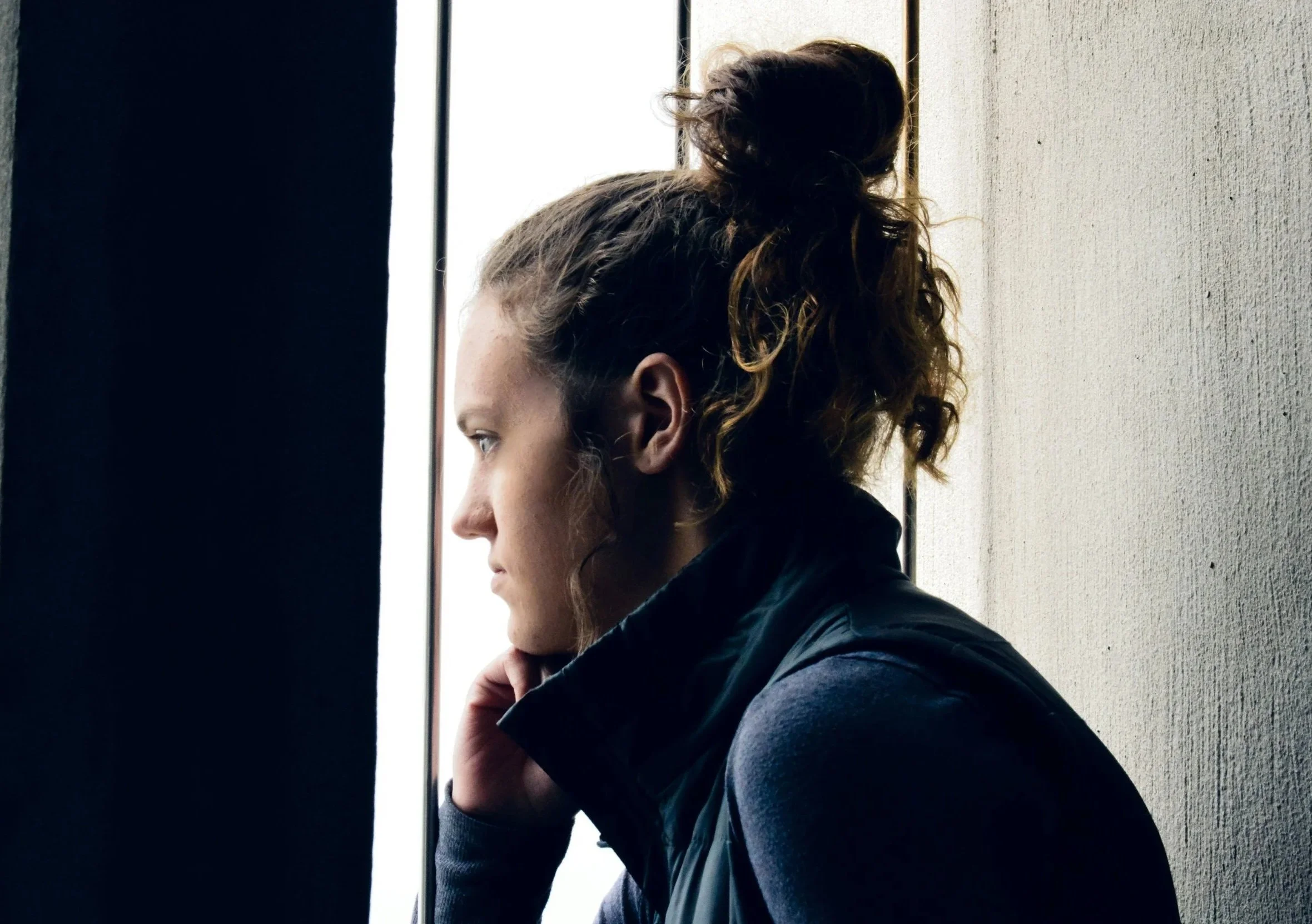
ready or not
RETURNING TO SPORT FORM THE INSIDE OUT
Returning to sport isn't just about physical clearance — it's about rebuilding trust in your body, mind, and identity. This section explores the emotional and psychological layers of coming back after injury … from fear to fire to freedom.

When You’re Cleared, But Not Certain…
The feelings and emotions involved in returning to competition come without warning. My knee was cleared — “ready for battle” — and I’d been doing the mental work to prepare for the grueling matches ahead. Everyone around me — coaches, teammates, trainers, parents, doctors — instilled confidence in my ability to perform. They told me I was ready.
And for a while, I believed them.
Inside, I was no longer holding my breath, waiting for my knees to give out. I had done the right things — physically and mentally — to trust my body. I talked myself through the fear. I wore my brace for those first two competitions and reminded myself: I’m protected. My knee is strong. I disciplined my thoughts and blocked out pessimism. I moved forward with focus and security.
But the second ACL changed everything. I wasn’t just afraid of injury — I was afraid of not coming back the same athlete. I couldn’t afford another setback. And yet, oddly, I felt more resilient. I had been here before. I knew how to rebuild.
Still, by my third consecutive competition — my biggest moment in the making — the fear returned at an alarming speed. The brace was off. My knee was taped. It was sore, guarded, and whispering doubts I thought I had silenced. I had done everything right… but the insecurity surged, unexpectedly and fast.
The fear of reinjury. The fear of not being the same. It wasn’t loud — but it was heavy. And it lingered as the competition got underway.
Returning to sport wasn’t triumphant the first time. It was chaotic, unraveling, and emotional. That sense of invincibility I used to carry was slowly replaced with quiet hesitation and a body that ached in all the ways I couldn’t explain.
But the second time around? It was different. More thoughtful. More intentional. I didn’t rush the return — I studied it. I approached it with method, not just muscle. And in doing so, I found power in resilience, not just performance.
Fear, Trust, and the Mental Return: A Conversation with Kevin Andrews
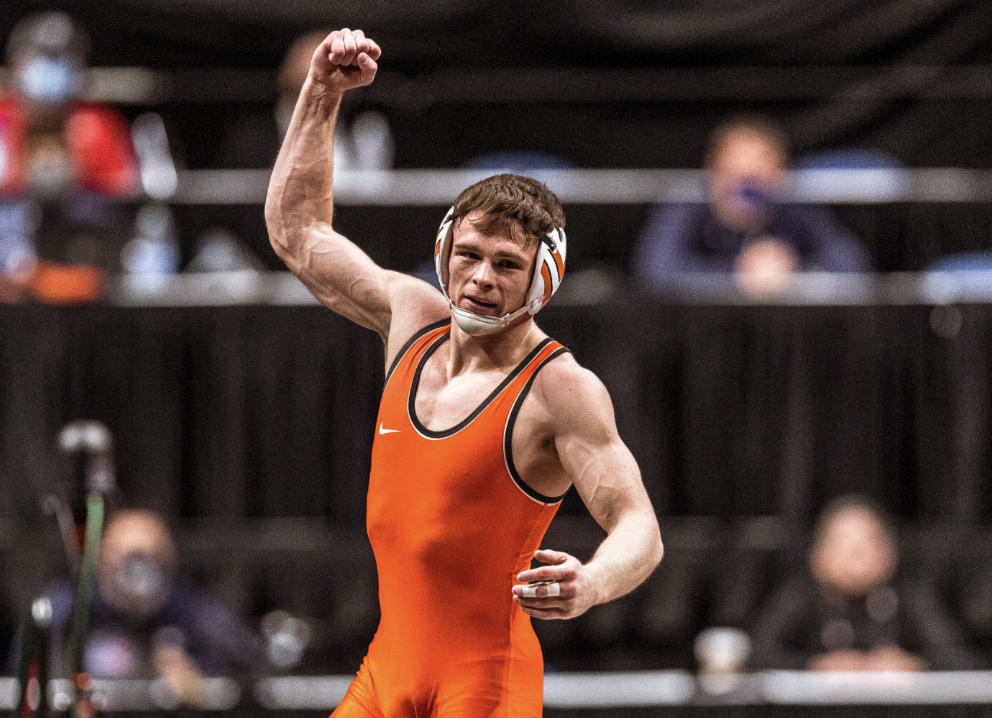
"He’s genuinely happy to still be wrestling — and wrestling at a high level — after battling injuries that could have derailed his career."
— The Oklahoman on Boo Lewallen’s return to the mat →
I interviewed Kevin Andrews, MS, LPC — a licensed professional counselor and student-athlete therapist at Oklahoma State University — to talk about the emotional toll of injury and what it really takes to return mentally ready.
Q1: What mental challenges do athletes face when returning to sport after injury?
Kevin Andrews —
“One of the biggest challenges is fear — especially fear of re-injury. Even if the body is physically ready, the mind may still be guarded. This can cause hesitation, which actually increases the risk of injury. There’s also a deep loss of confidence. Athletes begin to doubt what they once knew they could do.”
“You’ll also see pressure — both internal and external — to return to peak form immediately. That pressure can feel overwhelming. And underneath it all, there’s often an identity crisis. If you’ve always seen yourself as your sport, being sidelined can make you question who you are without it.”
“It’s not just hard physically. It’s a mental and emotional unraveling.”
Q2: How can athletes manage fear of re-injury and rebuild confidence?
Kevin Andrews —
“Confidence doesn’t come back all at once — it has to be rebuilt. One of the best ways to start is through gradual exposure. Ease back into the sport with low-intensity activities and slowly build up. Each step helps the athlete re-learn that their body can be trusted again.”
“Visualization and imagery are powerful tools. I encourage athletes to mentally rehearse themselves moving with confidence, hitting their moves cleanly, and getting through tough moments. That mental rehearsal creates neural patterns that reinforce performance under pressure.”
“Another key piece is learning to focus on the present moment. Mindfulness helps reduce anxiety about the ‘what ifs’ — like re-injury or lost ability. Athletes need to center on what they can control today.”
“When fear creeps in, I teach cognitive reframing — changing the script in your mind. Instead of thinking, ‘I might get hurt again,’ tell yourself, ‘I’ve done the work. I’m stronger than before.’ That shift can be everything.”
“Finally, set realistic, short-term goals. Don’t aim for perfection right away. Every small milestone you hit builds confidence — and that momentum matters.”
Q3: What advice do you have for balancing mental health with physical recovery?
Kevin Andrews —
“First and foremost — rest matters. It’s not just about muscles and joints. Your brain needs time to reset too. Recovery isn’t just physical — and pushing too hard, mentally or physically, can lead to burnout.”
“I always tell athletes: try to keep perspective. You’re not on a clock. Recovery is a process, and your mental health deserves just as much care as your training plan.”
“If you’re feeling anxious, overwhelmed, or discouraged, don’t keep it to yourself. Counseling or therapy can be incredibly helpful — not because you’re broken, but because it gives you tools to build resilience and navigate the ups and downs of recovery.”
“Another helpful strategy is to stay involved with your sport in non-physical ways. Mentor a teammate. Break down film. Stay part of the team culture. That connection can ground you during long recovery stretches.”
“And finally — don’t forget you’re more than your sport. Explore other interests or hobbies that make you feel alive. That well-rounded sense of self will protect you from burnout and help you return stronger, mentally and emotionally.”
FOR the people in their corner:
ESSENTIAL READING — Psychological Issues Related to Injury in Athletes →
For physical therapists, athletic trainers, parents, and coaches, supporting an athlete through injury recovery involves more than just overseeing drills and timelines — it requires understanding the psychological impact of being sidelined.
This comprehensive PDF from the American Orthopaedic Society for Sports Medicine (AOSSM) provides a clinically grounded overview of the emotional and cognitive challenges athletes face during recovery — and offers guidance for helping them navigate it.
What You’ll Find Inside:
Common emotional responses to injury: grief, anxiety, identity loss, frustration
Signs of psychological distress and when to refer to a mental health professional
Evidence-based strategies to support athletes emotionally — including:
- Goal-setting techniques
- Visualization practices
- Self-talk scripting
- Cognitive reframing
Guidance for caregivers and rehab professionals on how to build trust, promote resilience, and prevent long-term psychological setbacks.
what the research says…
GRADUAL EXPOSURE & BUILDING TRUST
National Library of Medicine — Fear of Re-injury in Athletes — National Library of Medicine →
A review on psychological impacts post-injury, highlighting the success of gradual re-exposure in building confidence
Dr. Shauna Harrison (PhD in Public Health) — 9 Life Lessons I learned from Being Sideline With Injuries →
Written by a PhD and experienced athlete who has navigated everything from minor setbacks to tearing all of her hamstring tendons off the bone, this article reframes injury as one of the most powerful teachers an athlete can have — offering nine honest, hard-won lessons on prevention, listening to your body, and rebuilding smarter and stronger.
VISUALIZATION & MENTAL IMAGERY
Journal of Imagery Research in Sport and Physical Activity — Reducing the Fear of Re‑Injury Through Mental Imagery→
A scholarly review proving how imagery reduces anxiety and supports confidence during rehab
FOCUS ON THE PRESENT
Dr. Catherine Logan, MD, MBA — Athlete Injury & Mental Health: Holistic Rehab Approach→
Advocates for mindfulness and mental resilience training as part of standard injury recovery.
If you’re looking for a science-backed, athlete-centered perspective on injury recovery, this is a powerful resource. Covering topics like mental resilience, rehab strategies, and the emotional toll of being sidelined, this blog brings together medical insight and real-world experience to help athletes heal — both physically and mentally.
REFRAME NEGATIVE THOUGHTS
Dr. Carl Bescoby — Triumphs Over Rehabilitation Thinking Traps →
Recovering from injury isn’t just about healing your body — it’s about rewiring your mindset. The article Triumphs Over Rehabilitation Thinking Traps offers a practical, accessible guide to help athletes recognize and challenge the most common psychological traps during rehab.
Written with injured athletes in mind, it walks through:
Common cognitive traps like catastrophizing (“I’ll never get back to normal”), all-or-nothing thinking, and self-blame
How to reframe negative thoughts using evidence-based techniques from cognitive behavioral therapy (CBT)
Step-by-step strategies to build emotional resilience, reduce fear, and regain motivation

Disclaimer:
This content is based on personal experience and expert insight, but it is not a substitute for therapy or professional mental health care. If you’re struggling, please reach out to a licensed mental health provider or click on “Need Help Now?” for immediate support.