My Nutrition Journey
Fueling My Recovery, One Plate at a Time
When I first got injured, I underestimated the extent to which nutrition would influence my recovery trajectory. I thought the primary work would happen in the training room — through structured rehabilitation, mobility drills, and progressive strengthening. What I didn’t yet appreciate was that the nutrients I put into my body were just as important as the exercises I performed. Every meal, every snack, every nutrient either contributed to tissue repair and adaptation or slowed that process down.
During my first post-surgery year, the mental and emotional weight of recovery took a toll. I fell into a pattern of eating only twice per day, thinking it was “disciplined” and “clean.” I told myself I was fueling enough, but in reality, I was creating long gaps without nutrient intake, which meant my body wasn’t receiving the protein and fuel it needed to continue repairing and building muscle throughout the day.
The effects were subtle at first but became undeniable. My post-training soreness lingered for days instead of hours. I noticed my progress in strength and hypertrophy — especially in my surgical leg — was slower than expected. Without adequate, evenly distributed protein and sufficient overall caloric intake, my muscles lacked the raw materials for repair, my energy systems weren’t fully replenished, and my nervous system recovery lagged behind.
That’s when I realized that rehabilitation is a synergistic process: mechanical loading from training stimulates repair and adaptation, but nutrition provides the building blocks and energy to make that adaptation possible. Without one, the other cannot reach its full potential. If I wanted my body to be prepared for the demands of postseason competition, I had to make nutrition as much of a priority as my rehab plan.
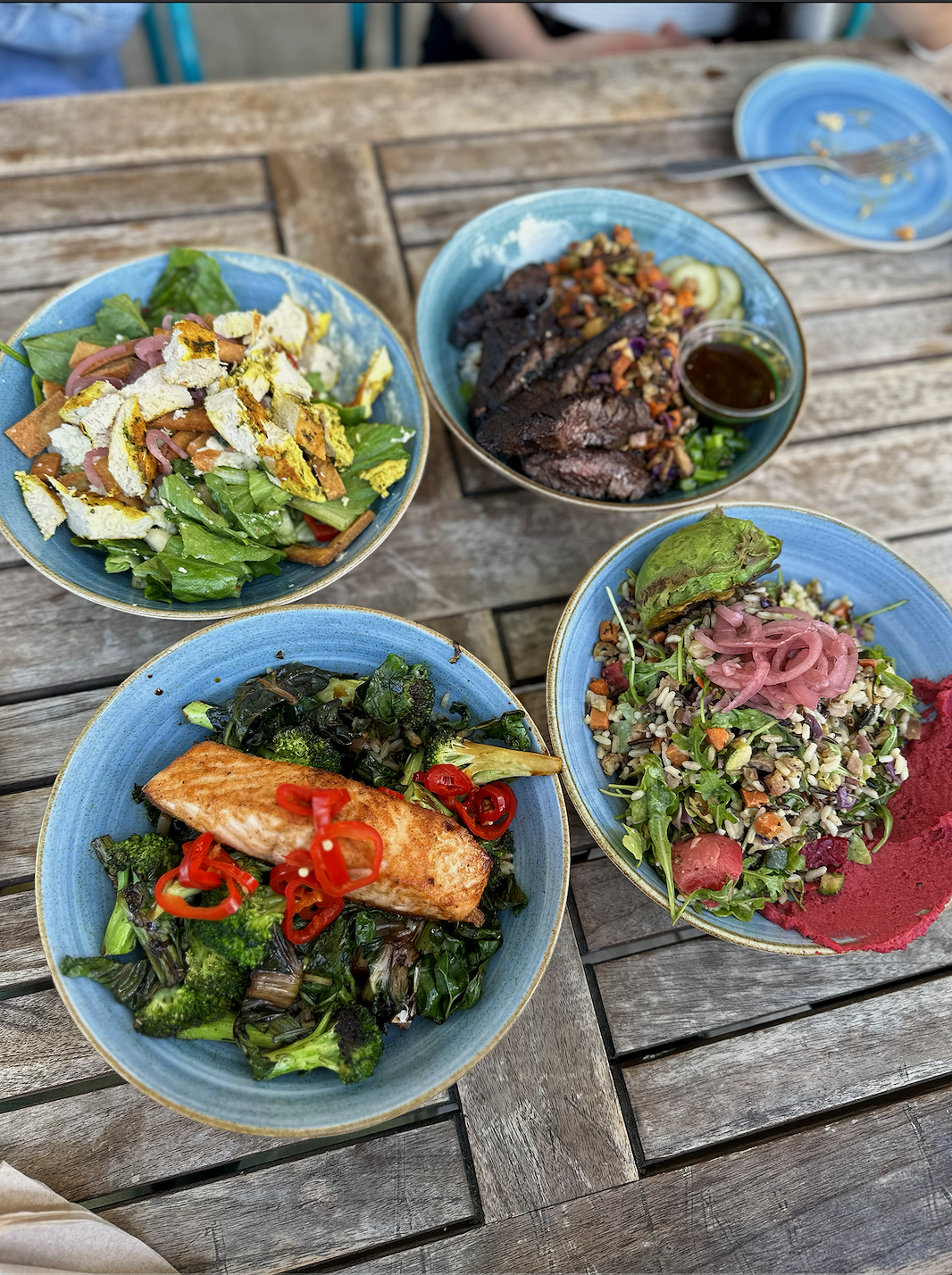
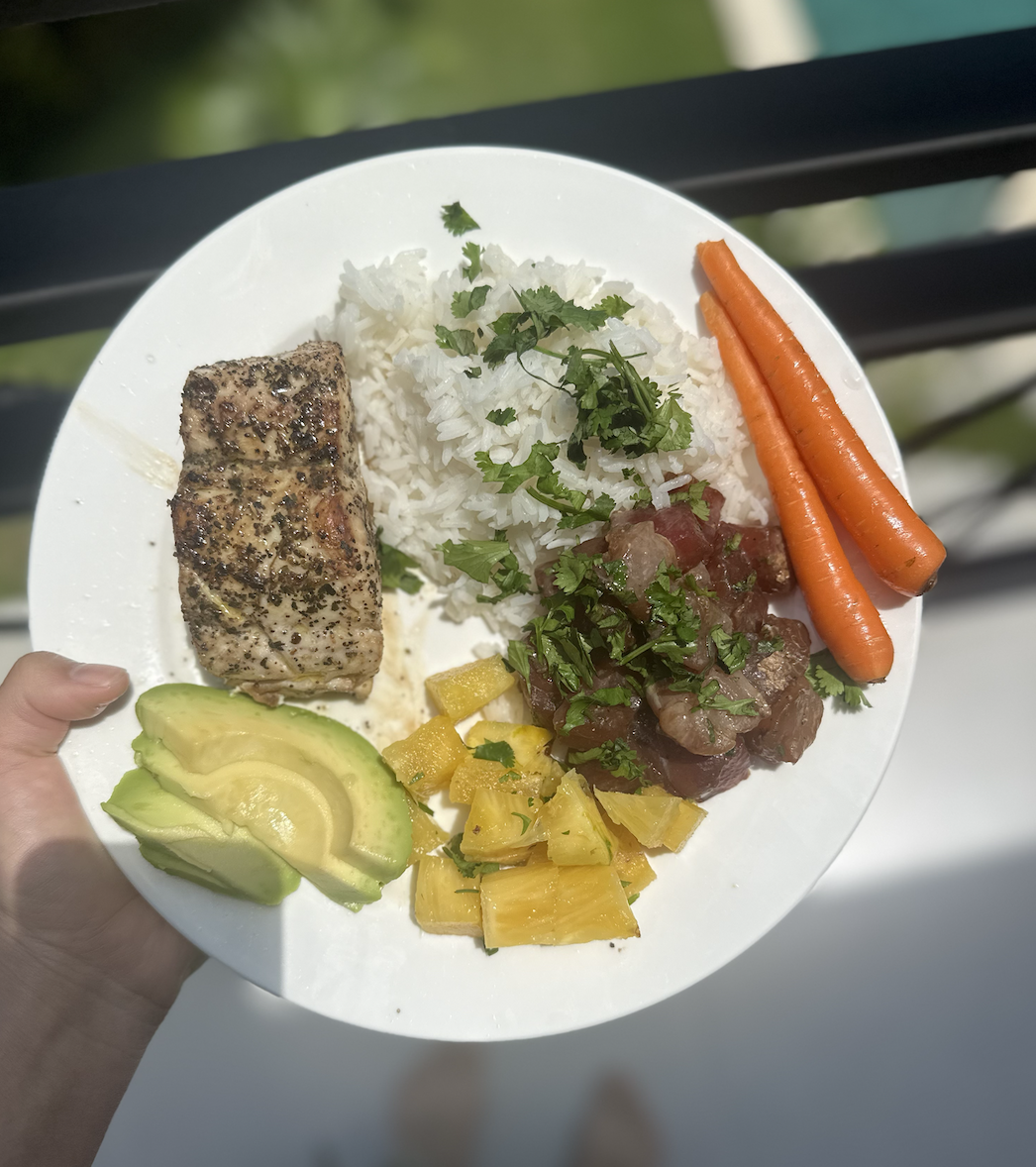
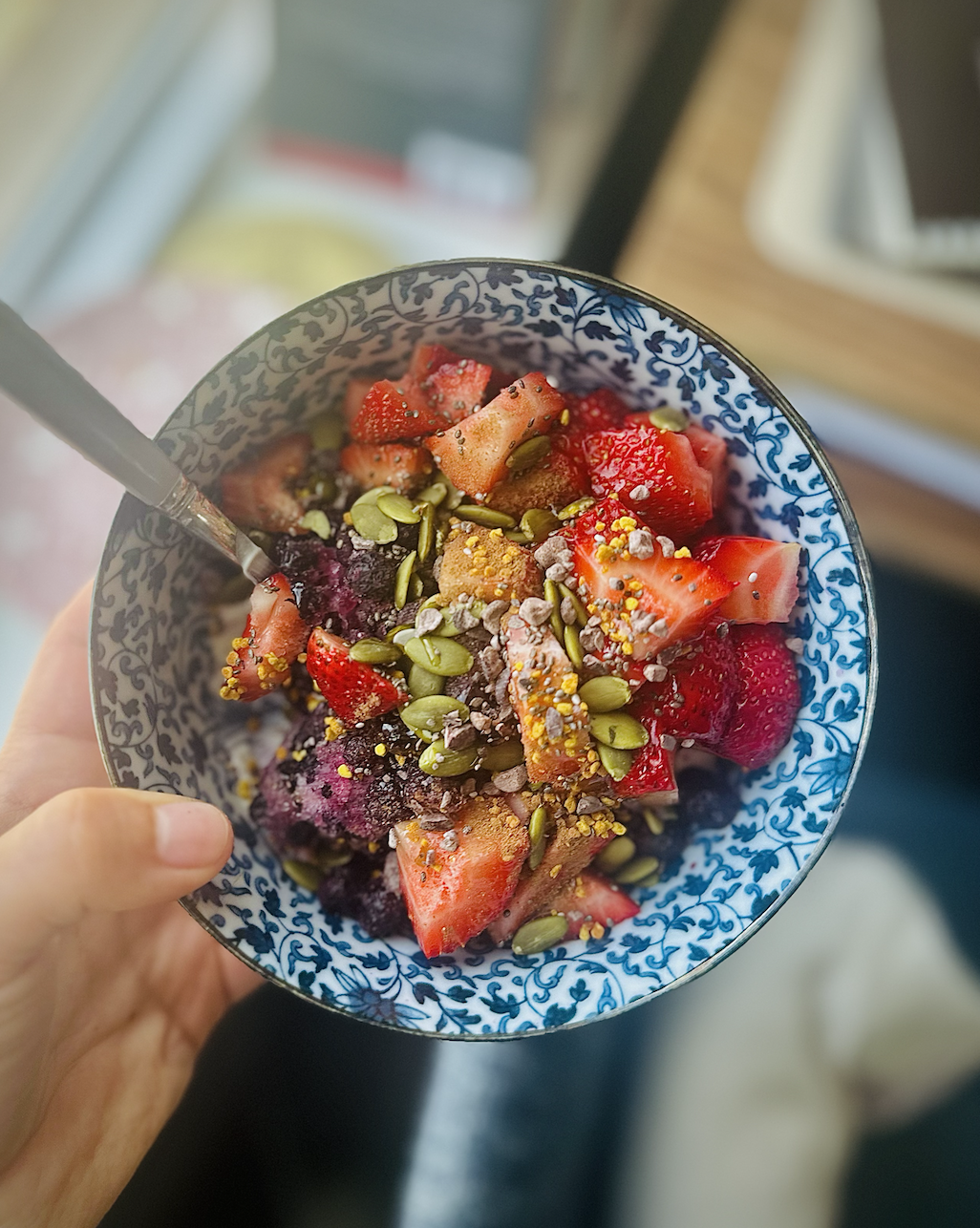
I began incorporating protein-rich meals every 3–4 hours, adding carbohydrate sources before therapy to improve training intensity, and including recovery-focused micronutrients — such as vitamin C for collagen synthesis, omega-3s for inflammation modulation, and adequate calcium and vitamin D for bone health. I learned that recovery nutrition is not generic healthy eating — it is a targeted strategy that changes as your recovery phase changes, supporting everything from acute healing to return-to-sport readiness.
Now, I approach nutrition as a performance variable, not an afterthought. I understand that the quality, timing, and composition of my meals directly influence how quickly I heal, how much strength I regain, and how resilient I’ll be when I step back into competition. My goal is to help other athletes recognize that your recovery plan doesn’t just live in the weight room or on the physio table — it also lives on your plate.
3 Lessons I Learned the Hard Way (and what I’d do differently)
Lesson 1: “It’s just food—this won’t affect recovery.”
Early on, before surgery, I used more processed, inflammatory foods as a coping mechanism. I told myself it didn’t matter because I wasn’t training the same way. Looking back, that mindset was wrong. Recovery isn’t only about what happens in the training room—your body is still doing a ton of work behind the scenes, and what you eat can either support that work or make it harder.
Quick takeaways
Your body is healing even when you’re not training. Fuel still matters.
“Comfort food” is normal—but don’t let it become your baseline.
Aim for mostly nutrient-dense meals, and leave room for flexibility.
Lesson 2: Weight stress made me restrict when I needed fuel.
Wrestling makes weight management feel like it’s always in the background. When my body started changing during Year 1, I panicked. I limited myself to two meals a day because I didn’t want to “overeat,” especially knowing I might compete later. I thought I was being disciplined. In reality, I was under-fueling during a time when my body needed consistent energy to heal, rebuild, and handle rehab.
Quick takeaways
Restriction can feel like control, but it often backfires in recovery.
Consistent meals help with energy, mood, sleep, and rehab quality.
If your body is changing, that doesn’t mean you’re failing—it may mean you’re healing.
Lesson 3: I underestimated protein because I wasn’t lifting.
I didn’t prioritize protein at first. Part of it was fear—I thought it would be hard to digest, and I assumed I didn’t need much since I wasn’t lifting heavy. Later I learned how important protein is during injury: it supports tissue repair, helps protect muscle, and improves recovery even when your training looks different.
Quick takeaways
Protein matters during injury because you’re healing.
You don’t need to “earn” protein by lifting—your body uses it for repair.
If digestion is a concern, start smaller and spread it out (you don’t have to overload one meal).