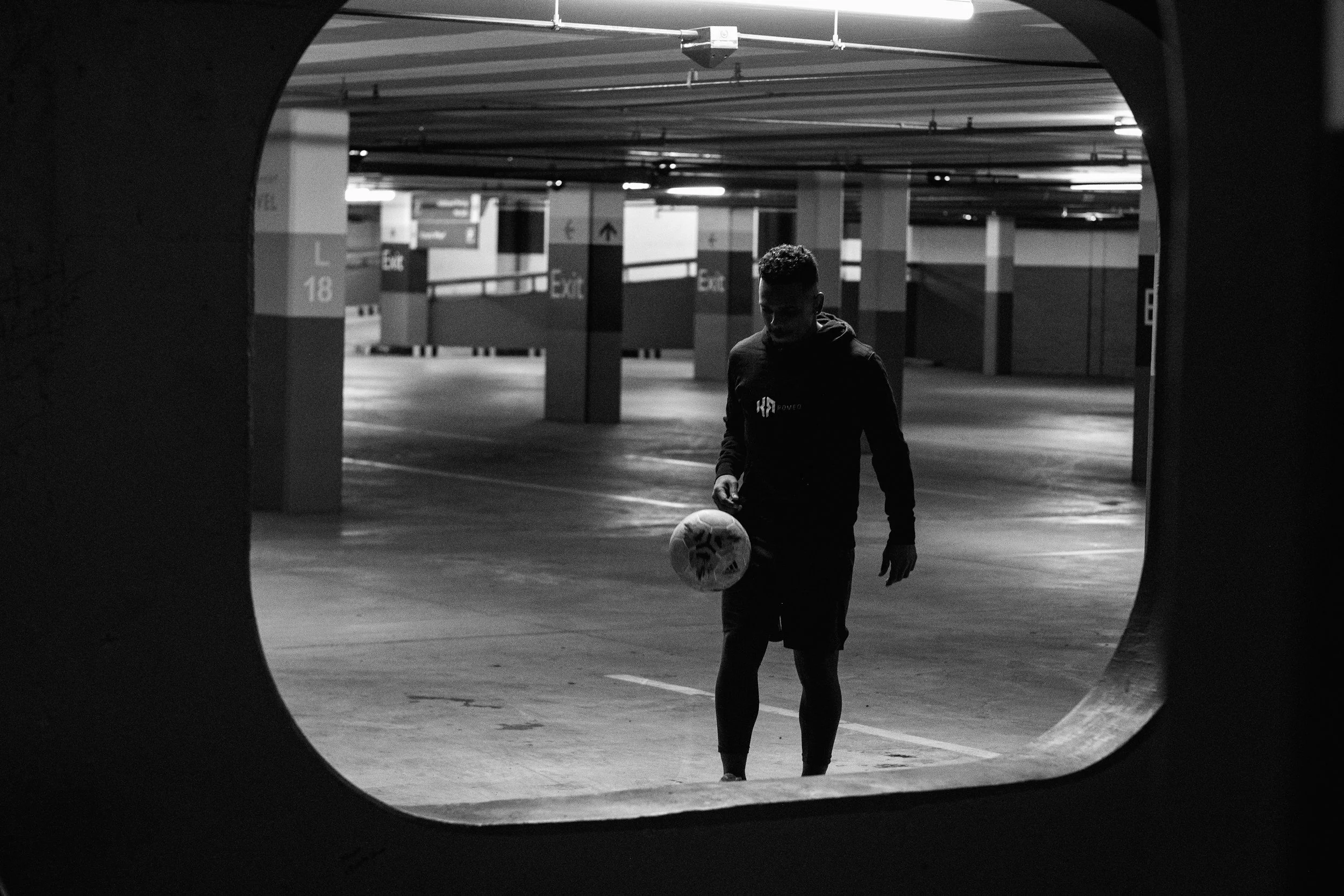
identity in crisis: Who am I without my sport?
There comes a moment — after the injury, in the thick of rehab, or while watching your teammates compete without you — when everything shifts. The noise quiets. And suddenly, you're faced with a question you never thought you'd have to answer: Who am I without my sport?
The parts of you that have long been tethered to your athletic identity now feel distant, paused, or out of reach — and that realization can be terrifying.
This page is for that moment. For the fear of not knowing who you are beyond your jersey. For the ache of disconnection. And most importantly, for the journey back — not just to sport, but to a self that is deeper, stronger, and more resilient than any scoreboard can measure.
You are more than your role. Let's rediscover who you are.
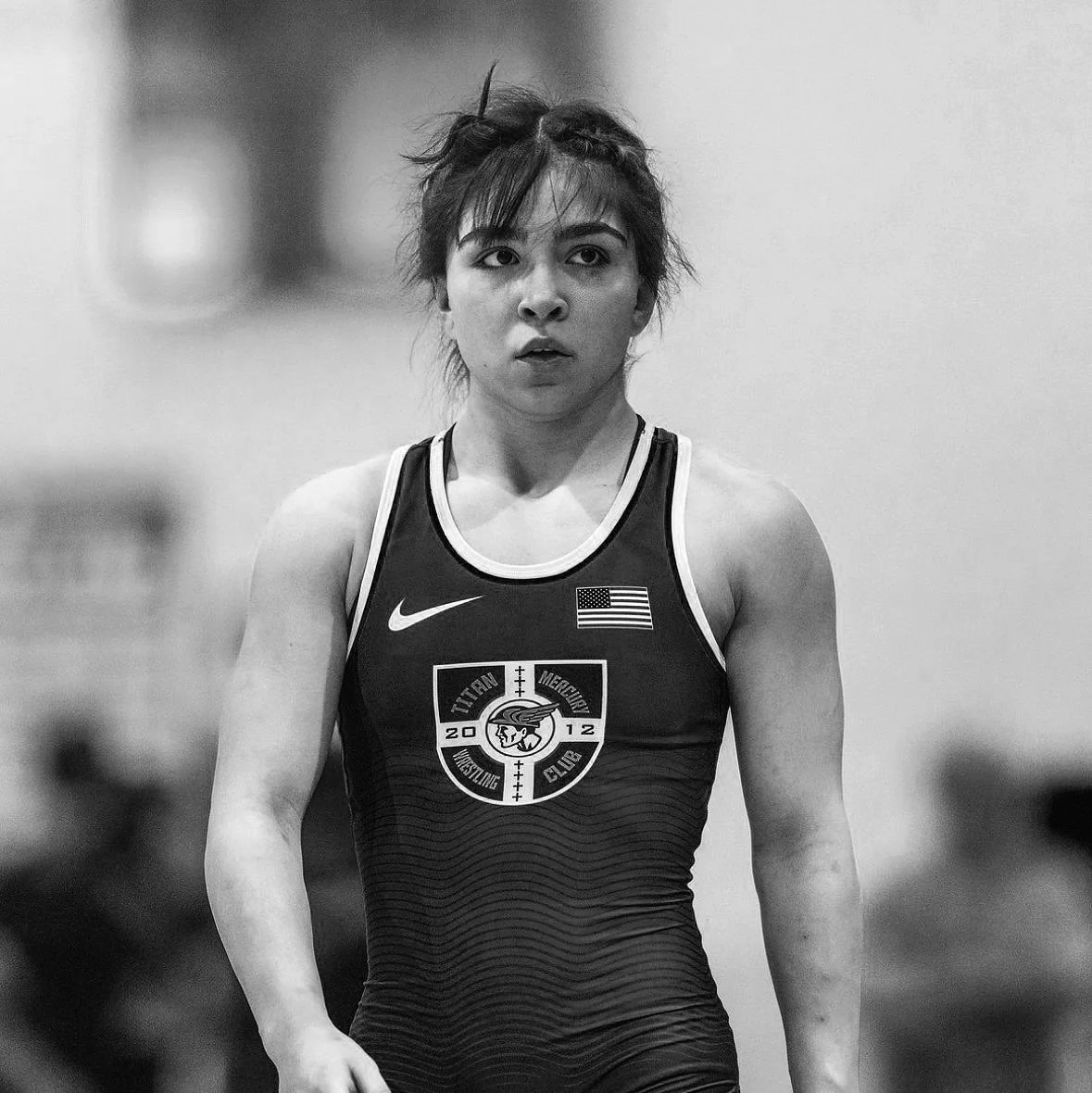
When the singlet comes off…
When I was younger, I hated being an athlete. But over time, I became a competitor. Wrestling turned into my passion, my outlet, my purpose — my source of strength.
I didn’t realize how deeply my identity had become entangled in my sport… until injury pulled me away.
Beyond the physical pain, it was the stillness that cut the deepest. The absence of routine, of training, of competition — it was disorienting. Suddenly, my purpose had changed: I wasn’t competing anymore. I was healing. It felt like someone had hit pause on my life, while everything else moved in slow motion. It was a jarring shift from the high-paced, high-stakes rhythm I was used to.
As time went on, I drifted further from the version of myself I knew. I would catch glimpses of my reflection and see someone I barely recognized. The fear of not knowing who I was without wrestling — without that identity — was eye-opening and painful.
No one prepares you for the moment you start losing your sense of self. The version that always felt sure of your role. The one who was recognized, celebrated, and needed. Without it, I felt invisible.
Until I wasn’t.
Somewhere in that quiet, I remembered I was a competitor — not just in wrestling, but in life. I started listening to the parts of me I had silenced. I began to notice the voice that existed beyond the mat. I remembered that I was always more than just an athlete.
I reconnected with my creativity. My compassion. My academic drive. My path in medicine. My love for helping others. Slowly, I began asking myself new questions: “What else is possible for me?” “How else can I grow?”
I’m still rebuilding. I still miss who I was. But I’m learning how to become someone who is whole — with or without sport. And this version? She’s stronger than I ever imagined.
Real Voices — When Identity is Put on Pause

-
This BBC article features the voices of three student-athletes from the University of Bath — Rachael Debenham, Gemma Peters, and Hannah Cliftlands — who share how injuries profoundly affected their mental health, sense of identity, and connection to sport.
Rachael Debenham (Rowing, hip injury):
“Injury has been incredibly isolating. I feel like I’ve lost a part of my identity.”
“When people ask, ‘What do you do?’ I can’t proudly say ‘I’m a rower’ — even though rowing has been part of my life for so long.”Source: BBC News – “I lost part of my identity after sports injury” (2024) →
-
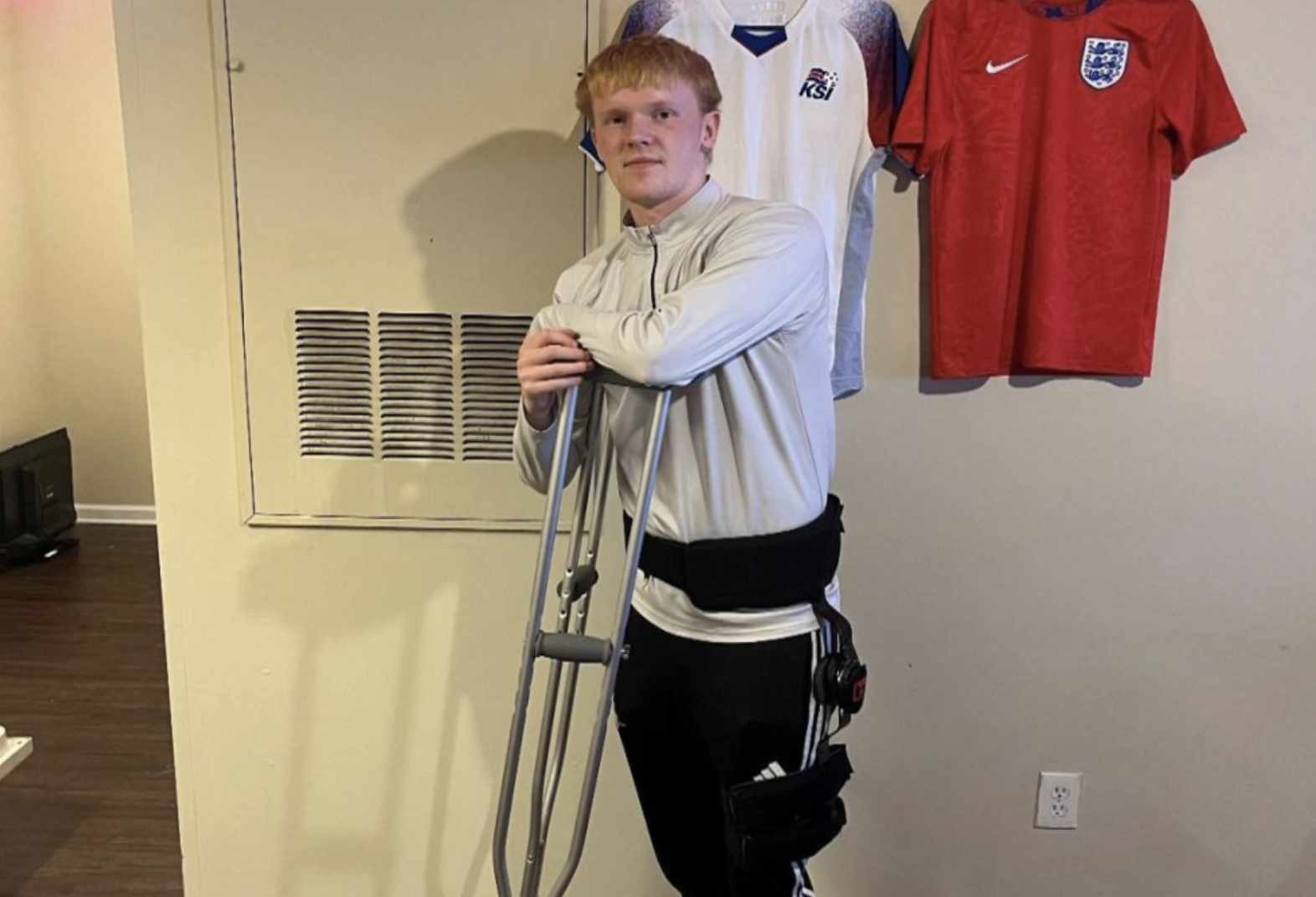
After surgery for a torn hip labrum, Viðar Ragnarsson faced more than physical pain — he struggled with isolation, anxiety, and a loss of identity.
“Not being able to play the sport I love is what causes me the most mental issues… it’s my way of getting away from everything else.”
Injury disrupted his routine, academics, and confidence. But with support from his community, he’s learning to fight through both the pain and the fear of not being the same athlete again.
Source: UNC Asheville Student-Athlete Mental Health Coverage (2024) →
-
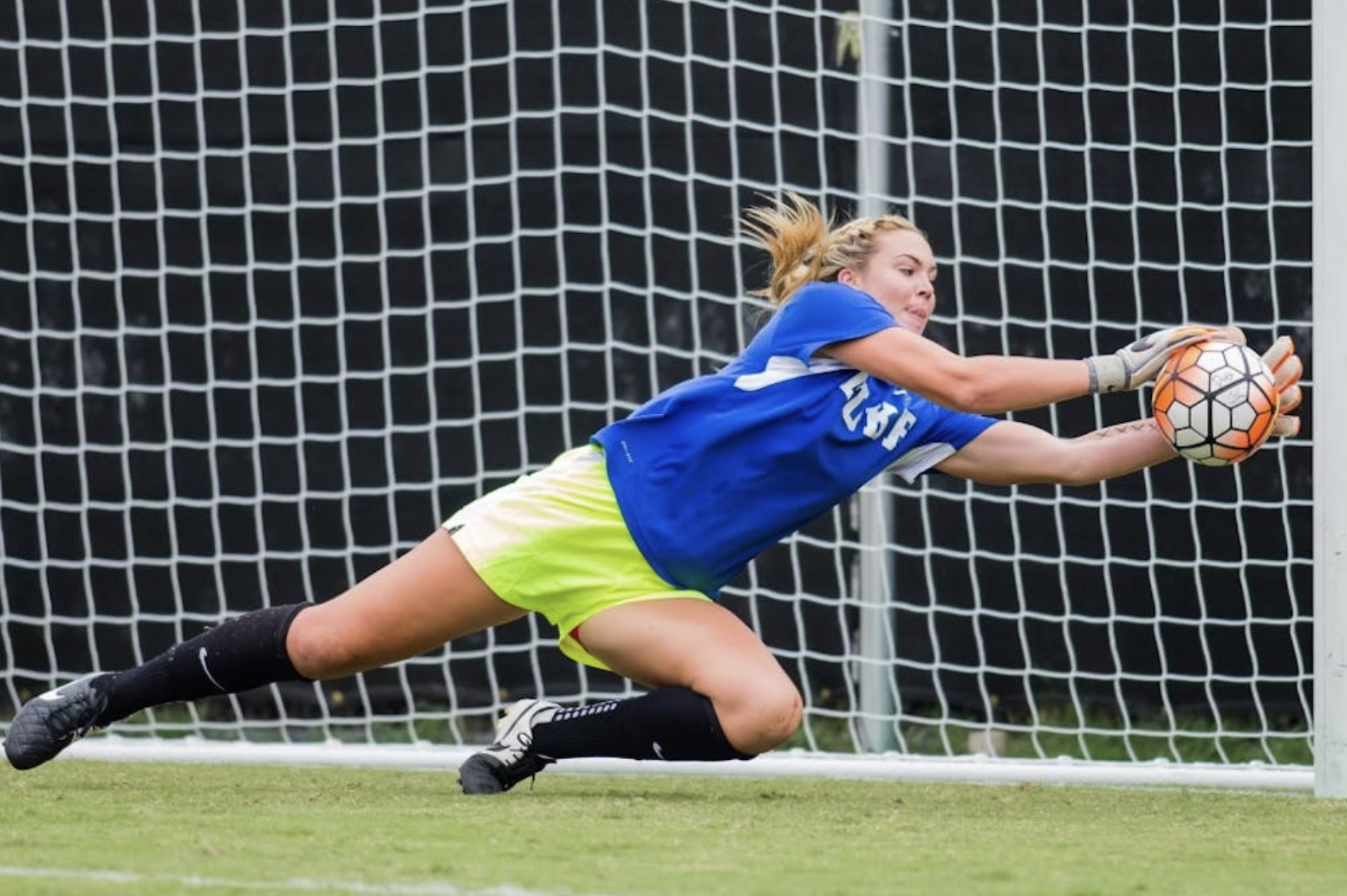
After chronic knee injuries ended Abby Pyne’s soccer career at Duke, she faced more than just physical pain — she faced the collapse of her identity.
“It really is all-consuming in really wonderful ways, and also in really negative ways… there’s that initial devastation of losing this dream that you’ve spent so long working for.”
With sport gone, she had to rediscover who she was outside of athletics. That journey led her to medicine and a deeper purpose — but it started with grief, self-reflection, and the courage to rebuild her identity from the ground up.
Source: The Duke Chronicle – “A long journey: The unseen side of injury and recovery for Duke’s student-athletes” (2024) →
-
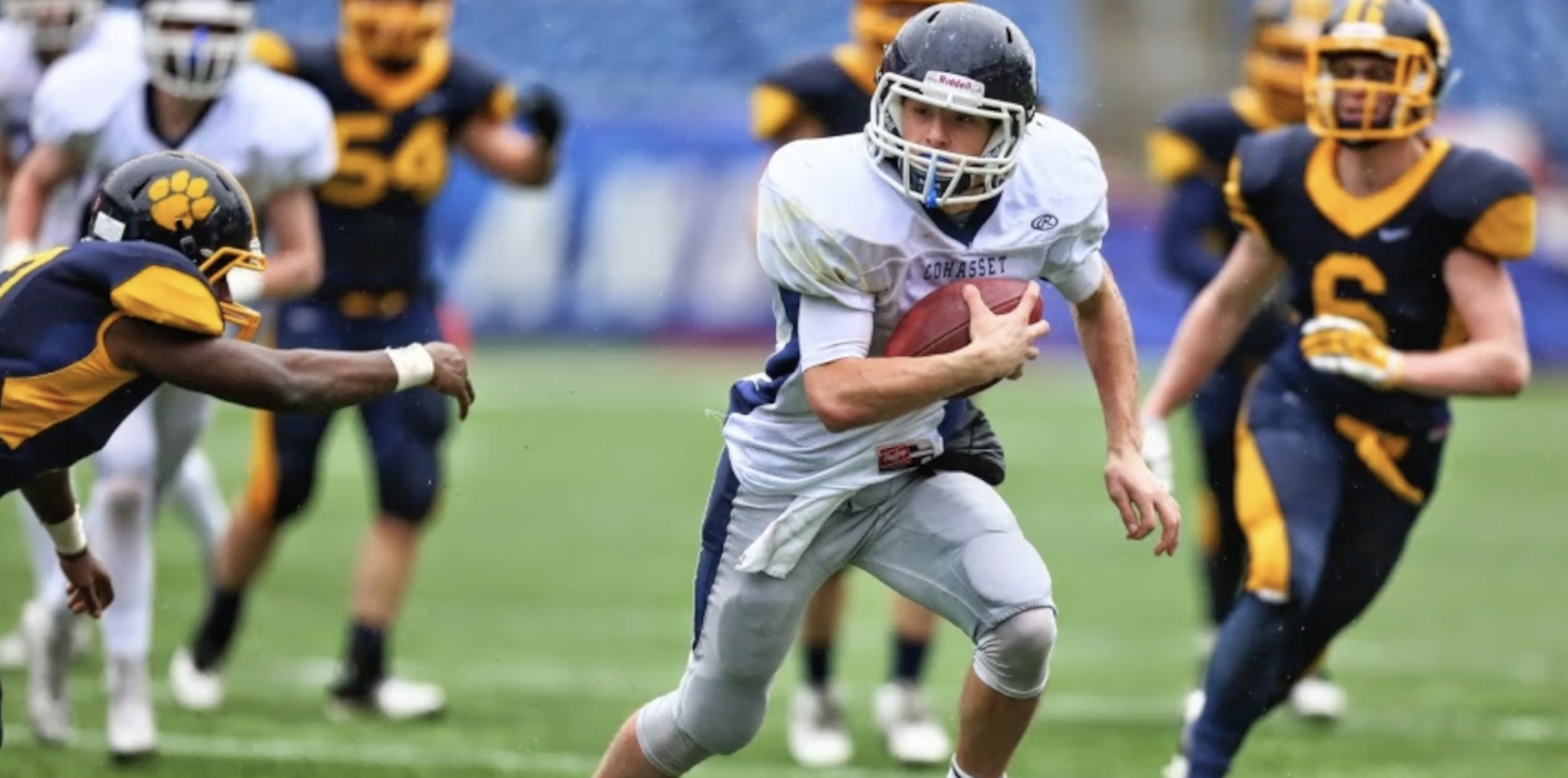
Nick Hall tore his ACL and meniscus at the start of his senior football season — a devastating injury during a crucial college recruiting window. The experience challenged his physical limits, but also tested his mental resilience and sense of identity as an athlete.
“It’s easy to feel like your athletic dreams are over… but recovery taught me about perseverance.”
Through intense rehab and support from his care team, Nick not only returned to the game but found new purpose: a dream to become a doctor, inspired by those who helped him heal.
Source: Nick Hall's Story: Getting Back in the Game After a Sports Injury — South Shore Health Blog (2016) →

-
Kacie was a high-achieving student-athlete whose identity was deeply tied to performance in both sports and academics. But injury and toxic coaching exposed a deeper mental health struggle. After years of hiding her pain, she hit rock bottom, battling depression and suicidal thoughts — all while continuing to compete.
“The biggest obstacles I faced were separating my self-worth from my achievements and learning to put myself first.”
Therapy, medication, and genuine relationships helped her slowly rebuild — not just as an athlete, but as a person. Her story is a powerful reminder that healing begins when you reclaim your identity on your own terms.
Source: Depression and Anxiety of the Injured Athlete (Kacie Breeding's Story) — Alston for Athletes (2020) →
-
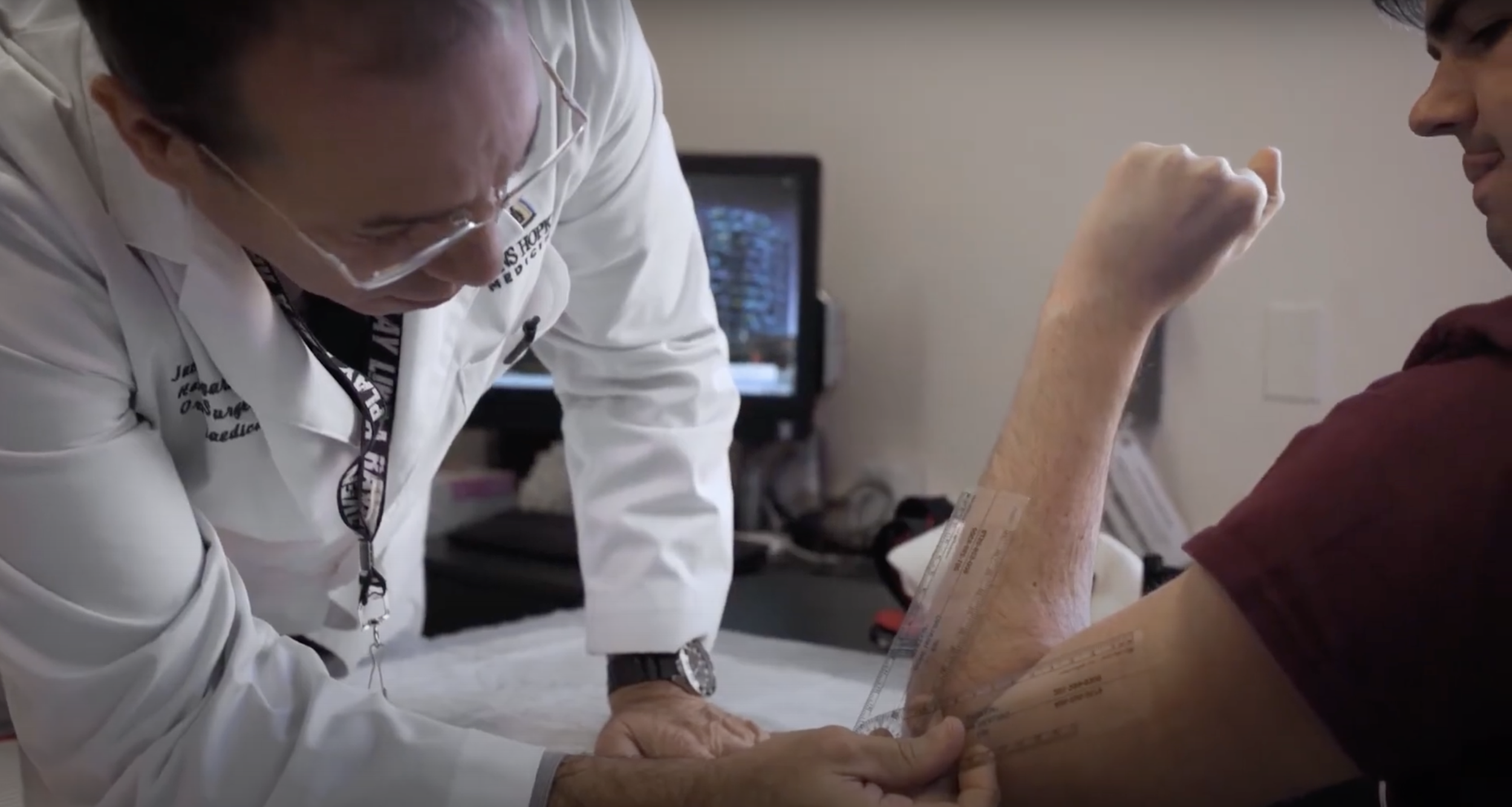
Michael Perry, a Johns Hopkins offensive lineman, suffered a devastating elbow injury during practice, rupturing not just ligaments but key muscles like the brachialis — essential for arm strength and control.
“My left arm is my first line of defense... that’s the first thing you’re hitting with.”
The injury stripped him of a core part of his identity — his ability to protect and block. Surgery and rehab were not just about healing his arm, but rebuilding his confidence and role on the field.
“I’m way better now than I was pre-surgery.”
Source: UCL Sports Injury: Michael's Story — Johns Hopkins Medicine (2020) →
For more Athlete Stories…
LISTEN TO: SIDELINED STORIES → PODCAST SERIES
Interviews featuring the personal experiences of athletes sidelined due to career-ending injury, health conditions, or repeat concussions.
Click to listen →
Identity Web…
You are more than your sport.
As you explore this web, take a moment to reflect on the parts of you that still exist — even when you’re not competing.
These identities are not replacements… they are reminders of your wholeness.
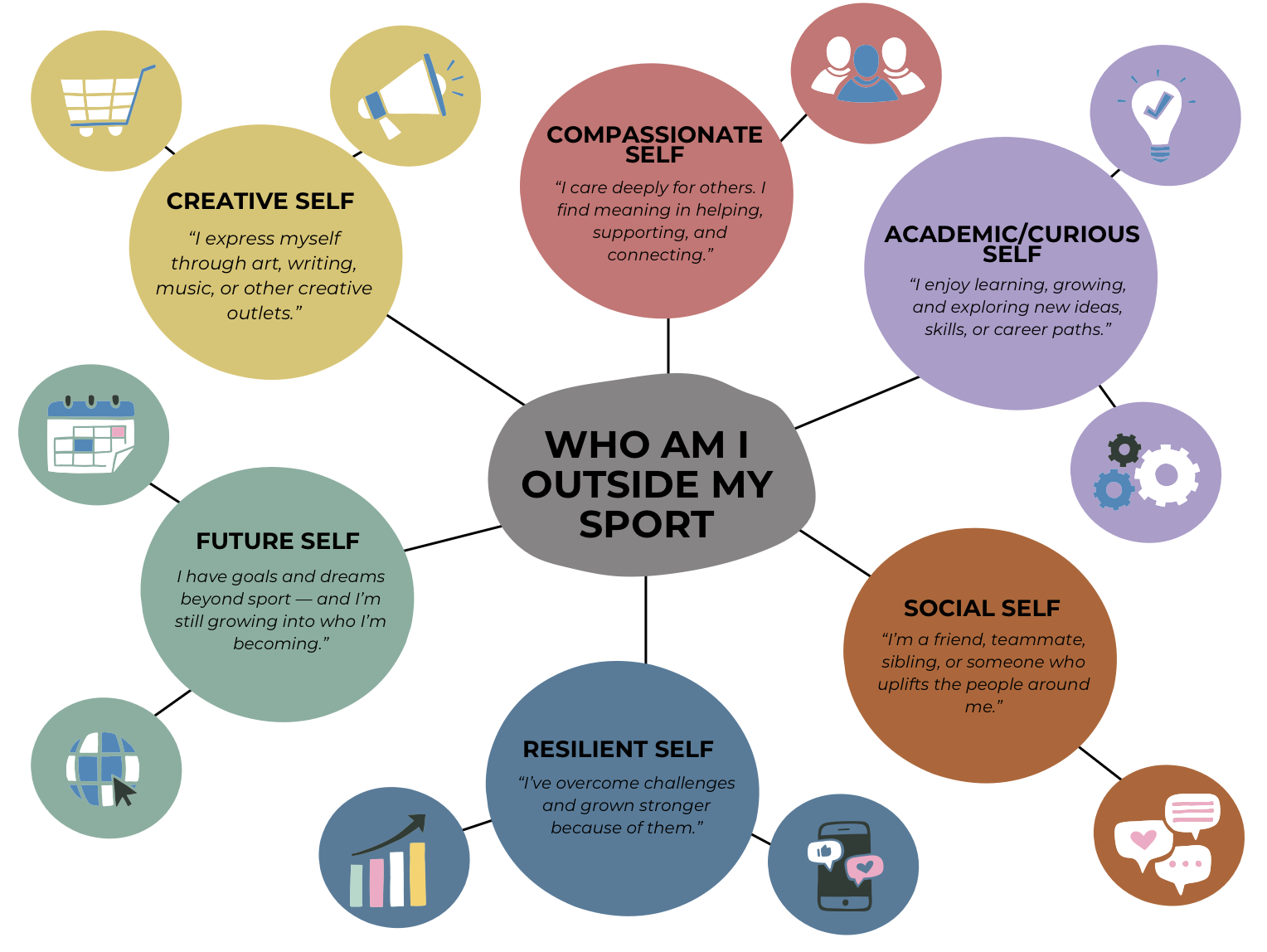
CHALLENGE: What part of yourself do you want to grow next?
Expert Insight: What Happens to Identity After Injury?
Kevin Andrews, MS, LPC
“Oftentimes, an athlete’s identity is tied closely to their sport. When an injury occurs, and an athlete can’t compete, there can be a feeling of loss or confusion. It might feel hard to know what to do with themselves when their role changes to a spectator. They may even feel as though they are going through a crisis, trying to figure out their purpose. If their self-esteem, or self-worth, was based highly on their performance then self-esteem can lower since no performing is happening.”
Stacy Ingram — Mental Performance Coach
Read: The Athlete Identity Crisis – Rediscovering Self-Worth Beyond The Field →
“Many athletes struggle with an identity crisis when their time in competitive sports comes to an end, often feeling lost without the structure and purpose that athletics once provided. The transition from athlete to everyday life can leave individuals questioning their self-worth and struggling to redefine who they are beyond the field. Rediscovering a sense of purpose and embracing a new identity is key to moving forward with confidence and fulfillment…”
Disclaimer:
This content is based on personal experience and expert insight, but it is not a substitute for therapy or professional mental health care. If you’re struggling, please reach out to a licensed mental health provider or click on “Need Help Now?” for immediate support.