
The Mental Stages No One Prepares You For — But Every Athlete Feels
The inside fight
No one prepares you for this part.
Not the surgery. Not the rehab. Not the silence after the crowd fades.
This is the inside fight — the one that doesn’t show up in highlight reels or comeback clips.
It’s the moment you sit with your own pain, unsure if the version of you that once felt untouchable will ever return.
Below is a timeline — not of physical healing, but of emotional survival.
Each stage is real. Each one was mine.
Take what you need.
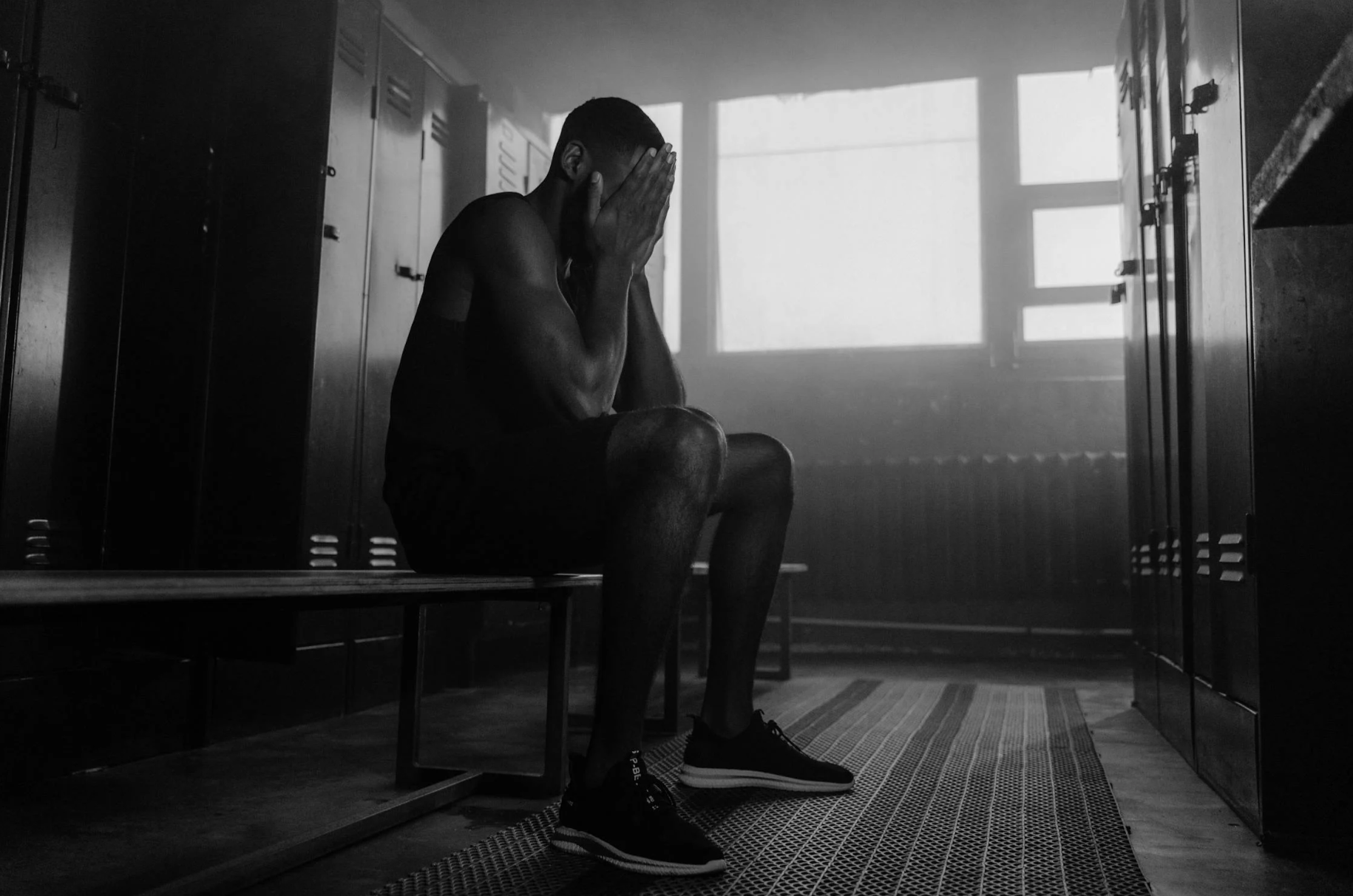
The Journey Begins
-
![thank you]()
When the Silence Hits
Everything stopped — except my thoughts. This is where the real pain began.
-
![]()
The Drift
I thought I was healing — and maybe I was. But nothing felt real. Like I was moving, but not forward. The part of me that used to feel everything had gone still. I wasn’t lost… just stuck in between.
-
![]()
The Disconnect
I wasn’t broken. But I felt removed from the part of me that once burned to compete. Like the athlete inside me was slipping away — and I didn’t know how to bring her back.
-
![]()
The Flicker
It wasn’t loud. It wasn’t even clear. But something shifted — a flicker of wanting more. Of remembering who I was. And who I strived to be.
-
![]()
The Fire Returns
The return isn’t loud. It starts in the quiet — with one step, one rep, one choice to believe in what’s left inside.
-
![]()
The Rise
I didn’t return as the same athlete. I returned wiser. Stronger. Sharper. The pain didn’t break me — it built me. I’m not chasing who I was… I’m standing in who I’ve become.

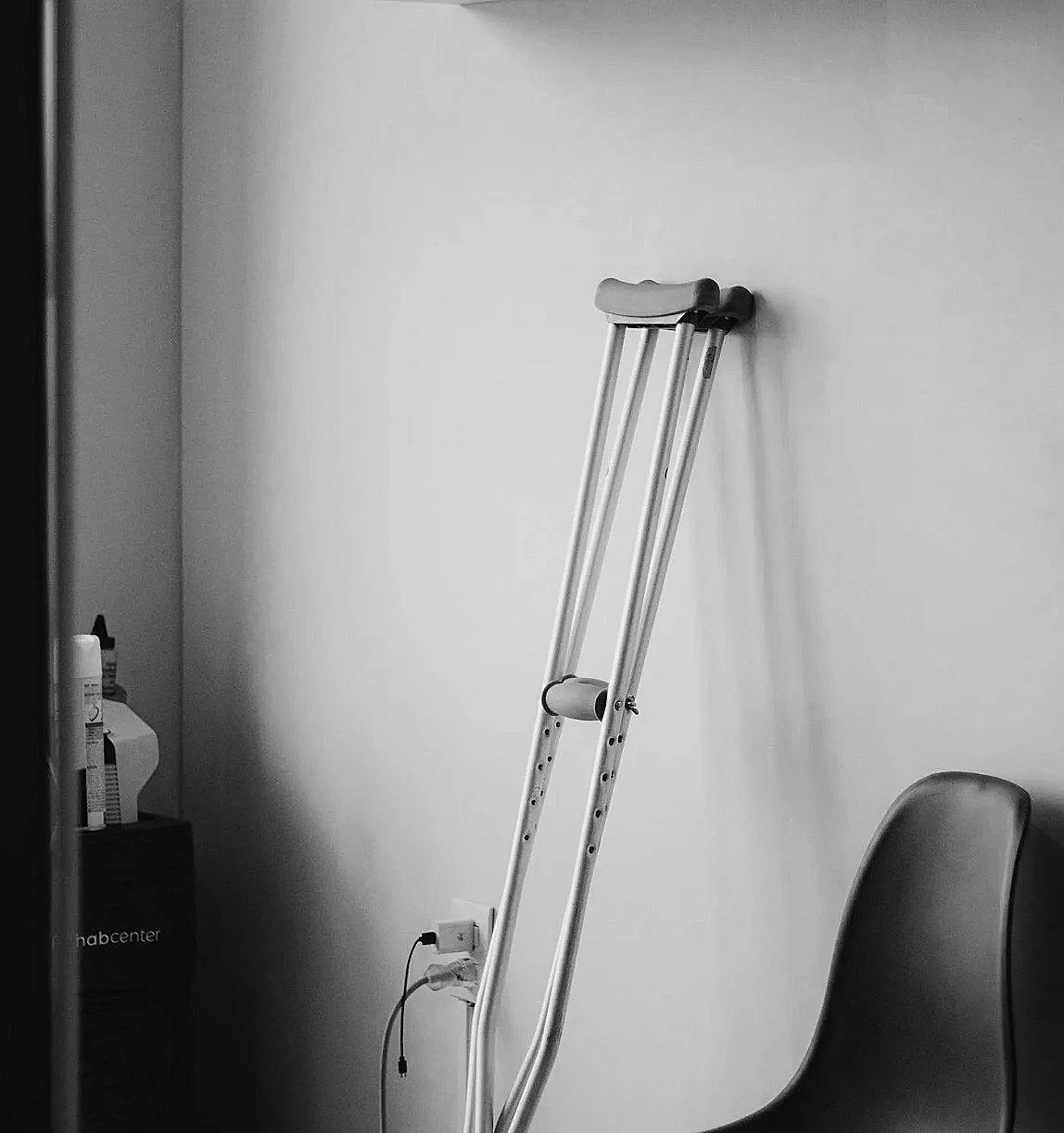
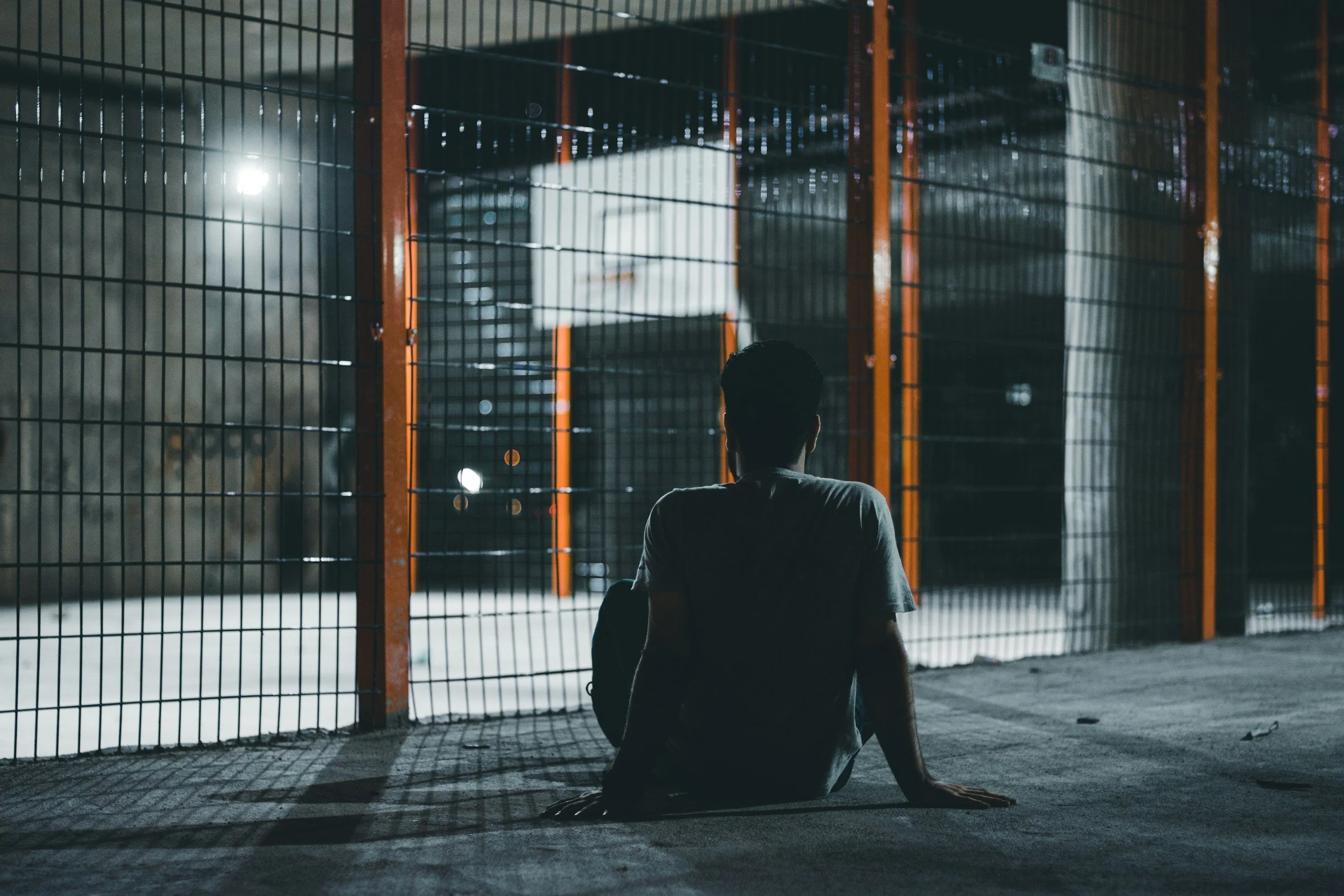



Stage 1: When the Silence Hits – What You Might Feel
This stage often begins within the first few days after injury or diagnosis. It can feel like your world has gone quiet – but not in the peaceful way. Depending on the severity of the injury, this silence often hits athletes very unexpectedly.
COMMON EMOTIONAL & MENTAL RESPONSES:
Shock and emotional “flatlining” → You’re not crying. You’re not angry. You just feel … blank.
Disbelief → “This can’t be happening to me.”
A false sense of control → Athletes might try to jump into plans or rehab schedules too quickly to avoid processing the loss.
Shame or embarrassment → Especially for high-level athletes, there’s often a fear of seeming weak or letting people down.
Detached identity → The first feeling “Who am I if I’m not competing?” may quietly creep in.
A REFLECTION PROMPT I USED…
What was the first moment everything felt still for you? What filled that silence?
Stage 2: The Drift
This stage sets in after the initial shock fades — but before true acceptance begins. On the outside, you’re “doing all the right things.” You show up to rehab. You follow the schedule. You nod through your appointments.
But inside? There’s a quiet unraveling. A growing distance between who you are and who you used to be.
As researchers note, “Despite the athlete being physically present, they may experience emotional disengagement or feel ‘mentally checked out’ due to a disruption in their athletic identity and routine” (Clement et al., 2022, p. 4).
COMMON EMOTIONAL & MENTAL EXPERIENCES:
Disconnection from identity → You’re going through recovery, but not feeling in it.
Loss of motivation → Rehab feels flat. The fire is gone.
Emotional confusion → You thought you’d feel better once healing started, but instead feel emptier.
Fading athlete self → “I used to have purpose, competition, goals… now I’m just surviving day to day.”
Unacknowledged grief → You may not even realize you’re grieving the loss of your season, your role, or your routine.
EXPERT INSIGHT:
"When the positive reinforcements of sport and the individual’s association with the athletic role abruptly cease with the onset of injury, an athlete may question their identity and experience a sense of loss. Are they still an athlete if they are unable to practice and compete? And if they are no longer an athlete, then who are they? Because of the loss of health, loss of sense of purpose, and loss of self-identity, some researchers (Gordon 1986; Pederson 1986; Emotions of Injured Athletes 4 Sample 1987 as cited in Smith, 1990) have suggested that injured athletes progress through a grief cycle similar to that experienced by the terminally ill.”
When an athlete loses their sense of routine, purpose, and team connection, it can trigger a deep emotional unraveling.
If you’re curious about why this happens, or just want reassurance that what you’re feeling is valid, skim through this powerful honors thesis from the University of Rhode Island:
“The Psychological Effects of Injury on Athletes”
View Study →
It explores the mental health challenges athletes face during recovery — including identity loss, isolation, and emotional numbing. You might even see pieces of yourself in it.
Stage 3: The Disconnect
This stage feels like watching your old life through a window. You’re present, but not really there. You show up — maybe even crushing your rehab goals — but inside, something aches. Not from pain, but from no longer feeling like you. Practices carry on without you. Teammates compete while you cheer from the sidelines. There’s a distance now — between who you are and who you were.
The world didn’t stop — but you did. And it’s starting to hurt.
COMMON EMOTIONAL & MENTAL EXPERIENCES:
Conscious identity loss → “I used to be in this. Now I feel like a stranger to my own sport.”
Loneliness in a crowd → You’re surrounded by people but still feel isolated.
Invisible struggles → Others see you progressing physically, but inside, you feel like you’re fading.
FOMO and guilt → Missing out on competition, team moments, or growth you worked hard for.
Emotional triggers → Seeing old photos, hearing about tournaments, or stepping into your practice space might make you want to cry — or disappear.
Watch: Michigan Medicine — Coping With Season Ending Injury | Athletes Connected
This powerful video touches on the silent questions that often surface during this stage:
What will this year look like for me now?
What is my role on the team when I can’t compete or train?
How do I support my teammates when I feel left behind?
EXPERT INSIGHT:
Q/A with Kevin Andrews (Click to read bio): What should an athlete do if they feel isolated and disconnected from their team during recovery?
“It's common for athletes to feel isolated and disconnected during recovery, especially when they are not physically present with their team. Here are some strategies to help:
Encourage the athlete to stay connected with teammates and coaches in person, if possible. If not, encourage virtual meetings, social media, or messaging apps. Regular communication can help them feel included and involved.
If possible, the athlete should attend practices, meetings, or games, even as a spectator. Being present can help maintain a sense of belonging.
Suggest the athlete take on a supportive role, such as helping with strategy, mentoring younger teammates, or assisting coaches. This can keep them engaged and valued by the team.
Encourage them to talk to teammates, coaches, or friends about their feelings. Sometimes, just knowing others understand their situation can alleviate feelings of isolation.”
Stage 4: The Flicker
This is the moment when light starts to leak back in.
It doesn’t come all at once — maybe it’s just a small spark: a successful step in rehab, a good day, or a laugh that actually feels real. It’s the first time you feel like your old self might still be in there — waiting.
You’re not fully back, but you’re no longer fully lost either.
Common Emotional & Mental Experiences:
Momentary motivation → You find yourself wanting to push again — just a little.
Return of confidence → "Maybe I can do this."
Flashes of identity → You recognize pieces of your old mindset, passion, or hunger.
Fear of false hope → Progress is real, but you’re scared it won’t last.
Emotional conflict → You're caught between excitement and caution.
Stage 5: The Fire Returns
This stage is the first true shift — not just in your physical recovery, but in your mindset. Somewhere in the middle of the grind, something sparks. It’s not a full blaze yet, but it’s enough to remind you: you’re still in this.
Maybe it’s a good session. A small milestone. A flash of your old self in the mirror. For the first time in a long time, you don’t feel like you’re watching from the outside. You’re starting to feel present again.
This isn’t the finish line — but it’s the first time it feels like it exists.
COMMON EMOTIONAL & MENTAL EXPERIENCES:
Glimpses of identity restoration → You’re still healing, but there are moments where you feel like an athlete again.
Re-ignition of purpose → Your “why” is starting to reemerge, even if the path is still unclear.
New sense of control → You’ve adapted to the recovery rhythm and it no longer feels like it owns you.
Fragile optimism → You're cautiously hopeful. You want to believe in your return — and some days, you do.
Mental resilience forming → You’ve been through darkness, and now you’re realizing how much stronger you’ve become.
Stage 6: The Rise — Your Return
This is not about being fully healed. It’s about being ready to rise — as a new version of yourself.
You’ve endured the silence, the drift, the disconnect. You’ve flickered back to life and felt the fire return. Now, you’re stepping forward — not back to who you were, but into who you’ve become.
This rise is internal before it ever shows up on the mat or the field. It’s the return of self-belief. The understanding that you are still an athlete, even if the journey looks different now. It’s powerful. It’s grounded. And it’s yours.
COMMON EMOTIONAL & MENTAL EXPERIENCES:
A deeper connection to self → You’ve rebuilt, but differently. You carry scars and strength.
More honest inner dialogue → You’re no longer fighting what happened — you’ve accepted it and grown from it.
Resilient confidence → Confidence now comes from within, not just performance or outcomes.
Renewed direction → You have goals again. Clearer ones. Maybe even bigger than before.
Gratitude in the comeback → You feel things more deeply. You see your journey in others. You appreciate what it took.
PROMPTS THAT FILLED MY JOURNAL DURING THIS STAGE…
“What has this injury taught me about myself that I never would have learned otherwise?”
“How do I define strength now — and how has that definition changed?”
“What am I most proud of in my recovery journey so far?”
“Who am I now that I’ve gone through this?”
“What rituals, habits, or mindsets do I want to carry into this new chapter?”
Personal Reflection
Journal Entry — Day 5 Post-Injury #1
I’m still trying to grasp what just happened. Just an hour ago, I was sitting in a patient room with Dr. Westermann, staring down at my hands, eyes filled with tears, struggling to process the words: “You tore your ACL.”
It was so sudden—so unexpected—I still can’t believe it’s real. I want to say “I’m okay,” but the truth is... I don’t feel anything anymore. The crying has stopped. I’m not angry. I’m just... numb. Like my body knows something irreversible has happened, but my brain hasn’t caught up.
The brace is already on. It’s bigger and bulkier than I ever imagined. The surgery date is set. Everything is moving too fast.
Twelve months. That’s what they said. A year. And with it, the weight of everything I’ve been chasing—my first college season, my Olympic Trials run—it all feels like it’s slipping through my fingers.

Photo: Sam Maller/The Players' Tribune
ATHLETE’S VOICE…
“Sometimes, I didn’t even realize how bad it had gotten. I was showing up, training, racing… but inside, I was just trying to survive the day.”
— Mikaela Shiffrin, The Players’ Tribune→
Even the strongest athletes drift. I read Mikaela’s story after tearing my second ACL, searching for something that could help me make sense of what I was feeling. Her words offered a raw, unfiltered perspective on how injury affects even the world’s best — and reminded me I wasn’t alone.
“Once I Could Accept the Process, It Got Easier ”
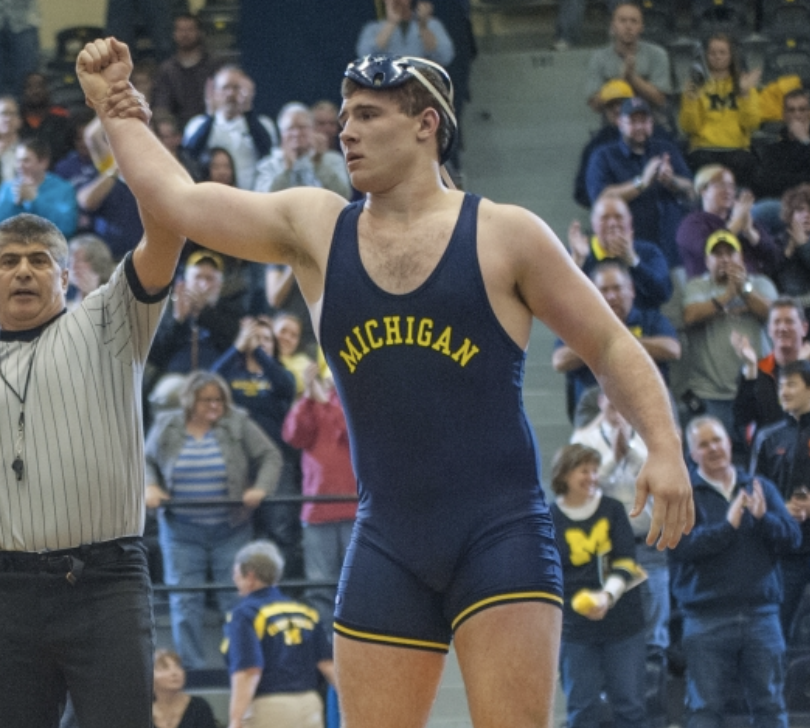
*Image taken from The Michigan Daily
PERSONAL REFLECTION
Journal Entry — National Title, Year 1 Post-Injury
Today, my team won their first national title. I was sitting in the bleachers with a few others who weren’t competing, watching as everyone rushed the mat in celebration — hugging, jumping, shouting. It was a beautiful moment. Historic. But a quiet part of me didn’t feel like I had contributed.
I smiled. I cheered. I offered advice when asked. But I felt like a ghost — like I was outside the team looking in, despite all the efforts my teammates made to include me.
I watched them train relentlessly for this moment, and maybe I was part of it in an indirect way. That’s what everyone told me. But the truth is… I didn’t feel it. I didn’t feel in it.
Supportive Research
-
Research tracking athletes through injury recovery found that confidence levels hit their lowest point immediately after injury, then increase significantly as rehabilitation progresses — particularly before and after competitive situations.
-
A 2023 study found that mental readiness and confidence are key predictors of successful return to sport — in some cases even more so than physical strength. What you're rebuilding mentally right now is just as important as what you're rebuilding physically.
-
Qualitative research on athlete rehabilitation found that middle-to-late rehab stages are where motivational challenges and impatience tend to peak — athletes feel ready before they fully are. Recognizing this pattern helps you channel the flicker intentionally.
-
Research on athlete identity confirms that injury can shatter an athlete's sense of self — and that restoring that identity is a gradual, nonlinear process. The glimpses of feeling like an athlete again in Stage 5 are a meaningful signal that psychological recovery is progressing.
-
Research consistently shows that systematic goal setting provides direction and motivation throughout recovery while building confidence through measurable milestones. Breaking recovery into smaller, achievable targets is what keeps the fire burning without burning out.
-
Research confirms that perceived social support during the return-to-sport phase reduces anxiety about reinjury and promotes psychological readiness. Who is around you in Stage 5 matters — connection to teammates, coaches, and support people directly shapes your recovery trajectory.
-
Athletes who use mental skills — imagery, self-talk, and relaxation techniques — during recovery report faster recovery and improved mood. The resilience forming in Stage 5 isn't just a feeling — it's a trainable, measurable psychological skill that transfers back to sport performance.
-
Mental imagery during rehabilitation has been shown to improve self-efficacy, motivation, and overall mindset — helping athletes build confidence by creating positive mental images of themselves performing at a high level, even before their body is fully ready.
Inner Reflection
HONORING YOUR RISE…
You made it through the silence. Through the drifting. Through the disconnect. You lit the fire again — and now, you're rising.
But this rise isn’t just about returning to sport.
It’s about returning to yourself — stronger, wiser, more whole.
You are no longer the same athlete who got injured. You carry scar tissue and stories now. You’ve learned patience, persistence, and vulnerability in ways others may never understand. And yet… here you are. Rising anyway.
So pause. Take this moment in.
Not to think about what’s next.
But to honor what it took to get here…
Disclaimer:
This content is based on personal experience and expert insight, but it is not a substitute for therapy or professional mental health care. If you’re struggling, please reach out to a licensed mental health provider or click on “Need Help Now?” for immediate support.