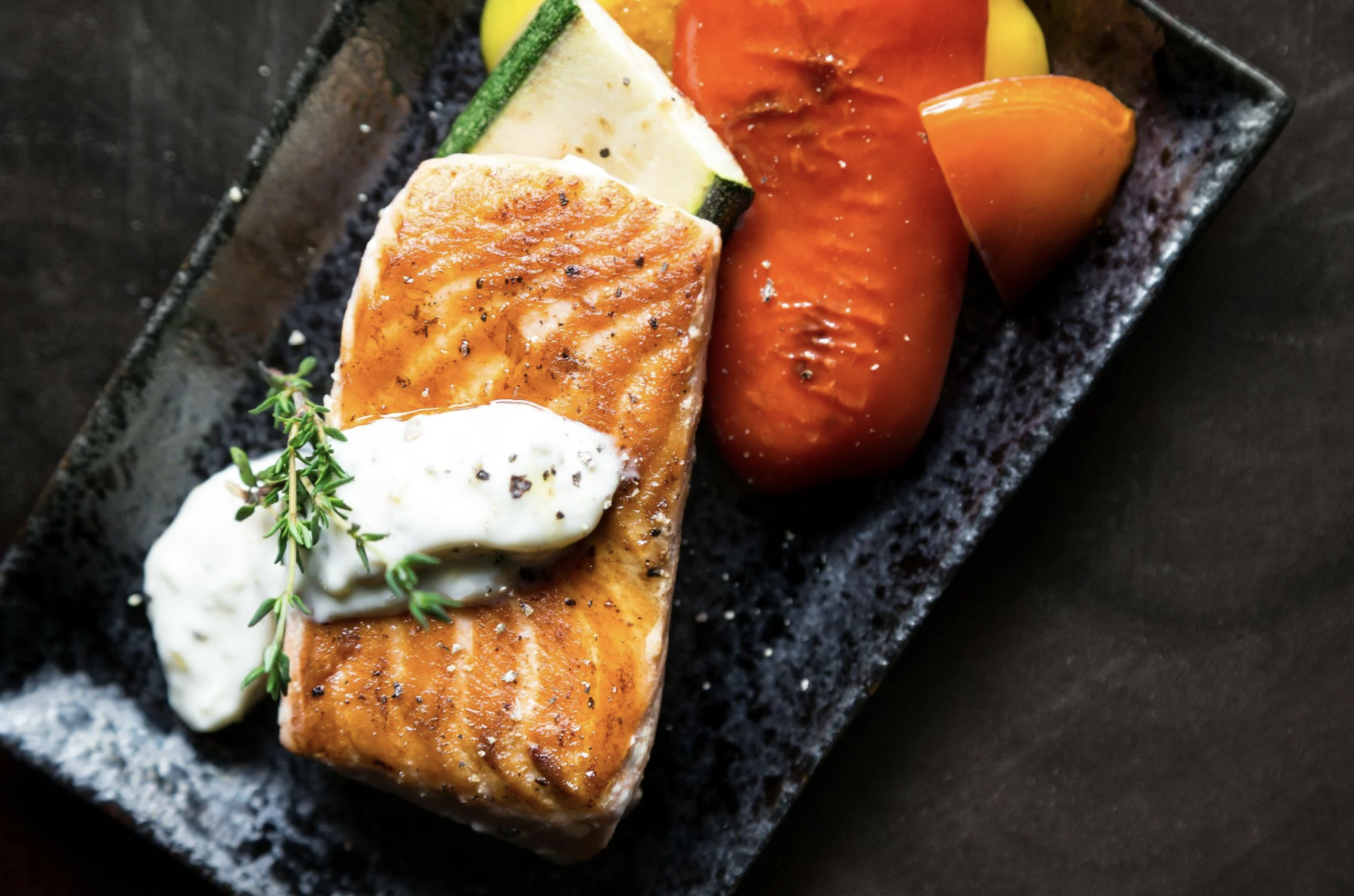
Protein Fundamentals
RebuildYou | The Big Rocks v1.0 • Jan 2026 • Educational Resource
When I was rehabbing, I didn’t guess my way through nutrition. I worked with a sports dietitian and we had frequent check-ins with our university nutrition team. One thing that kept coming up wasn’t “protein is important” (we all hear that)—it was that most athletes either underestimate how much they’re actually getting, or they rely on a pattern that looks fine on paper but doesn’t support recovery in real life. This page is meant to be supplemental and practical: how to build protein habits that are consistent, realistic, and easy to adjust to your schedule.
Disclaimer: For personalized targets, medical concerns, or weight-class goals, work with an RDN.
The Protein Reality Check
Most athletes are off without realizing…
When I worked with a sports dietitian and our university nutrition team, one thing came up constantly: athletes rarely have a “protein knowledge problem.” They have a pattern problem. Most of us think we’re eating enough because we’re busy, we’re eating a lot, and we’re athletes. But when you actually look at your day, protein is often inconsistent—front-loaded on some days, missing on others, or saved for one big dinner.
And the reason this matters is simple: you can’t build strong habits on guesswork. Before you try to “optimize” anything, you need a clear view of what you’re actually doing.
Protein Problems That Look Normal - But Don’t Support Recovery
These are the sneaky ones I saw all the time (and fell into myself):
Dinner-only protein: Most of your protein shows up at night, while breakfast/lunch are basically carbs + convenience foods.
“I’ll catch up later” fueling: You miss protein earlier, then try to fix it with one massive meal.
Snack-based days: Bars, chips, coffee, random bites—lots of calories, not much actual recovery support.
Inconsistent days: One day you’re on top of it, the next day you barely get any because your schedule flips.
“Liquid-only” reliance: Shakes are helpful, but when they replace real meals too often, your overall intake gets shaky too.
Most athletes don’t intentionally underdo protein—they just don’t notice their pattern until recovery feels off.
Protein Distribution
Once I started paying attention to my patterns, the biggest shift wasn’t eating some “perfect” amount of protein - It was how it was spread across my day. Being surrounded by other athletes made me realize that this was a reoccurring theme. My nutrition team confirmed that a lot of athletes technically eat enough some days, but it’s inconsistent or packed into one meal. And when you’re training hard or rehabbing, that pattern can leave you feeling like recovery is always lagging behind.
This is where distribution matters—not as a rule, but as a strategy.
Some athlete patterns can look like this:
breakfast: something quick (often low protein)
lunch: light or random
practice: intense
dinner: huge meal with most of the protein
That might feel normal, but for me, this led to:
more soreness and slower recovery
bigger hunger swings at night
feeling drained during the day
inconsistent muscle support during injury or heavy training
What distribution actually means: Protein shows up more than just once.
To feel my best, I aimed for a pattern where protein appeared at breakfast (even a small amount), lunch, dinner, and at least one snack on training days. Not because I was trying to be strict, but because it’s the easiest way to make protein consistent without overthinking it.
Read This: Dietary Protein Distribution Positively Influences 24-h Muscle Protein Synthesis in Healthy Adults →
“The consumption of a moderate amount of protein at each meal stimulated 24-h muscle protein synthesis more effectively than skewing protein intake toward the evening meal.”
Quality Without Obsessing
HOW TO CHOOSE “HIGH-IMPACT” OPTIONS IN REAL LIFE
When most athletes hear “protein quality,” they think it means they need to be perfect—like every meal has to be a precise macro-balanced masterpiece. That’s not the goal. What I learned from working with a sports dietitian and our university nutrition team is that “quality” matters most when it helps you do two things:
Make protein easier to hit consistently
Make your meals more effective for recovery
This is about choosing options that are reliable, easy to digest, and realistic in a college schedule.
Protein quality mostly comes down to two ideas:
How complete it is (does it provide the amino acids your body uses to rebuild?)
How practical it is for you (will you actually eat it consistently?)
These are the options that work best for me because they’re:
complete
convenient
easy to build meals around
COMMON HIGH-IMPACT ANCHORS
Eggs
Greek yogurt / cottage cheese
Milk / chocolate milk
Chicken / turkey / lean meats
Fish / salmon
Soy proteins (tofu, tempeh, edamame)
I didn’t eat these every day, but they were some of my reliable staples.
A NOTE ON “PROTEIN BARS & SHAKES”
These were helpful tools — especially when my schedule was chaotic or appetite was low. But I found they worked best when they supported my meals, not replaced them. For me, the best time to consume protein bars or shakes was after training when I needed something quick, between classes when I couldn’t get a real meal in, or during travel days. They’re not ideal as a main source of protein every day, or if you’re missing real meals and relying on supplements to “cover it.”
Read This: The Best Protein Bars According To A Registered Dietitian (2025) →
Reflection - Protein + Digestion
One thing I didn’t expect during recovery was how much digestion could affect my nutrition consistency. For a while, I avoided prioritizing protein — not because I didn’t care, but because I was convinced it would feel heavy, sit in my stomach, or mess with my appetite. When you’re injured, your routine is already off, stress is higher, and your body feels different. For me, that made eating “dense” foods feel harder than it used to.
What helped wasn’t forcing huge meals — it was getting smarter and more gradual. I started spreading protein out instead of loading it into one sitting, and I leaned into options that felt easier to tolerate: yogurt, eggs, smoothies, lighter proteins, smaller portions more often. Once I stopped treating digestion like something I had to “push through,” my consistency improved—and so did my recovery.
Takeaway: If protein feels hard to digest, it doesn’t mean you don’t need it. It usually means you need a different format, a different timing, or a slower build-up. And if digestion issues are constant or stressful, that’s a great reason to loop in a sports dietitian.
Helpful Resource: Digestive Health for Athletes : Fueling Performance and Wellness
When to Get Support (Sports Dietitian / Nutrition Team)
This website is meant to be helpful and educational—but nutrition gets personal fast. If you want real clarity (and less guesswork), getting support from a sports dietitian (RDN) or your university nutrition team can be a game-changer. It’s not a sign you’re doing something wrong—it’s a way to get a plan that matches your body, sport, schedule, and recovery demands.
Consider getting support if…
You’re injured or returning to sport and want a fueling plan that supports healing, strength, and energy day-to-day.
Your performance feels off (fatigue, low training tolerance, slow recovery, frequent soreness) even when you’re “doing everything right.”
Weight-class pressure is affecting your relationship with food (restriction, guilt, anxiety, binge-restrict cycles, fear of eating).
Digestion is consistently a problem (bloating, nausea, stomach pain, reflux, or you avoid foods because they make you feel bad).
You’re plant-based and want confidence you’re covering protein, iron, B12, calcium, and overall energy.
You’re considering supplements (protein powders, iron, creatine, “recovery” products) and want to avoid wasting money or taking something unnecessary.
You want labs interpreted (iron/ferritin, vitamin D, B12, etc.)—this is where having a professional matters.
What an RDN can do that a website can’t
personalize targets to your training load and injury status
build a plan that works with dining halls, travel, and busy weeks
help you fuel without triggering weight anxiety
troubleshoot digestion and timing
make supplements safe and evidence-based
Bottom line: If nutrition is stressing you out, confusing, or affecting your performance, that’s the exact moment to bring in an expert.
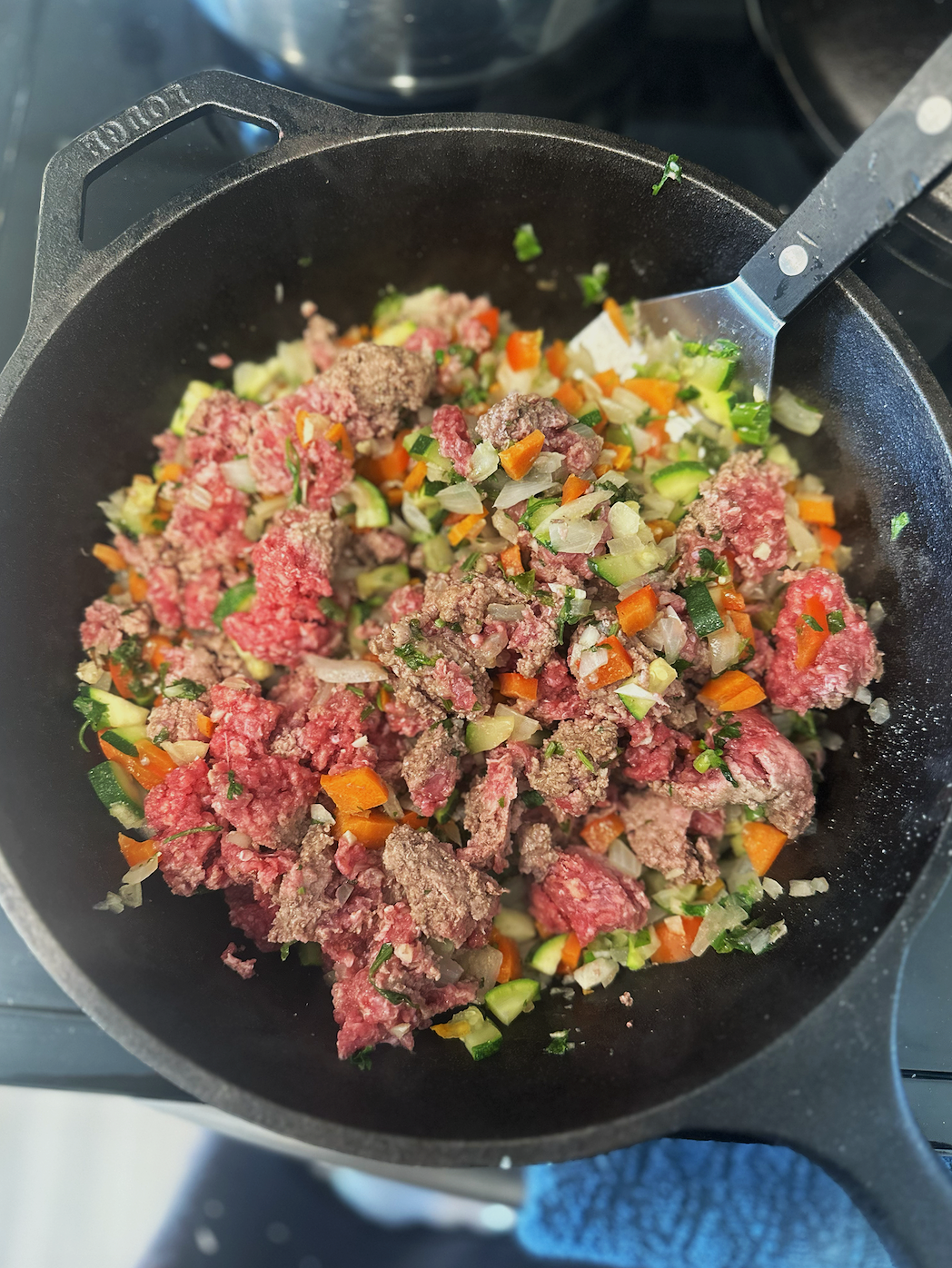
Quick Self Check
Answer honestly:
Do I have a real protein source at breakfast most days?
Do I have a real protein source at lunch most days?
After training, do I usually have a meal/snack with protein within a few hours?
Do I rely on dinner to “make up” for the rest of the day?
Are there days where I realize I barely ate protein at all?
How to interpret it
If you answered “no” to two or more of the first three questions, you don’t need a complicated plan—you need consistency.
The Simplest Way To Adjust Distribution
Here are a few ways I was advised, by my nutrition team, to get more protein in throughout the day:
Option A: Add, Don’t Overhaul
I would keep breakfast the same as usual, but add a protein item: Yogurt, eggs, milk, well-sourced breakfast meat, nut butter, etc.
Option B: Stop Relying on Dinner
I chose breakfast or lunch and made sure it had a clear protein source. Breakfast was the easiest meal for me to go protein-free—but it was also the one change that made the biggest difference. Once I started adding protein earlier in the day, my recovery felt steadier, my energy was more consistent, and I didn’t feel like I was always trying to “catch up” later.
Option C: Pick a Protein Anchor
I would often go for one of the following options: Greek yogurt with berries, cottage cheese on toast with honey, glass of chocolate milk, a whey protein smoothie, tuna with crackers, or hard boiled eggs.
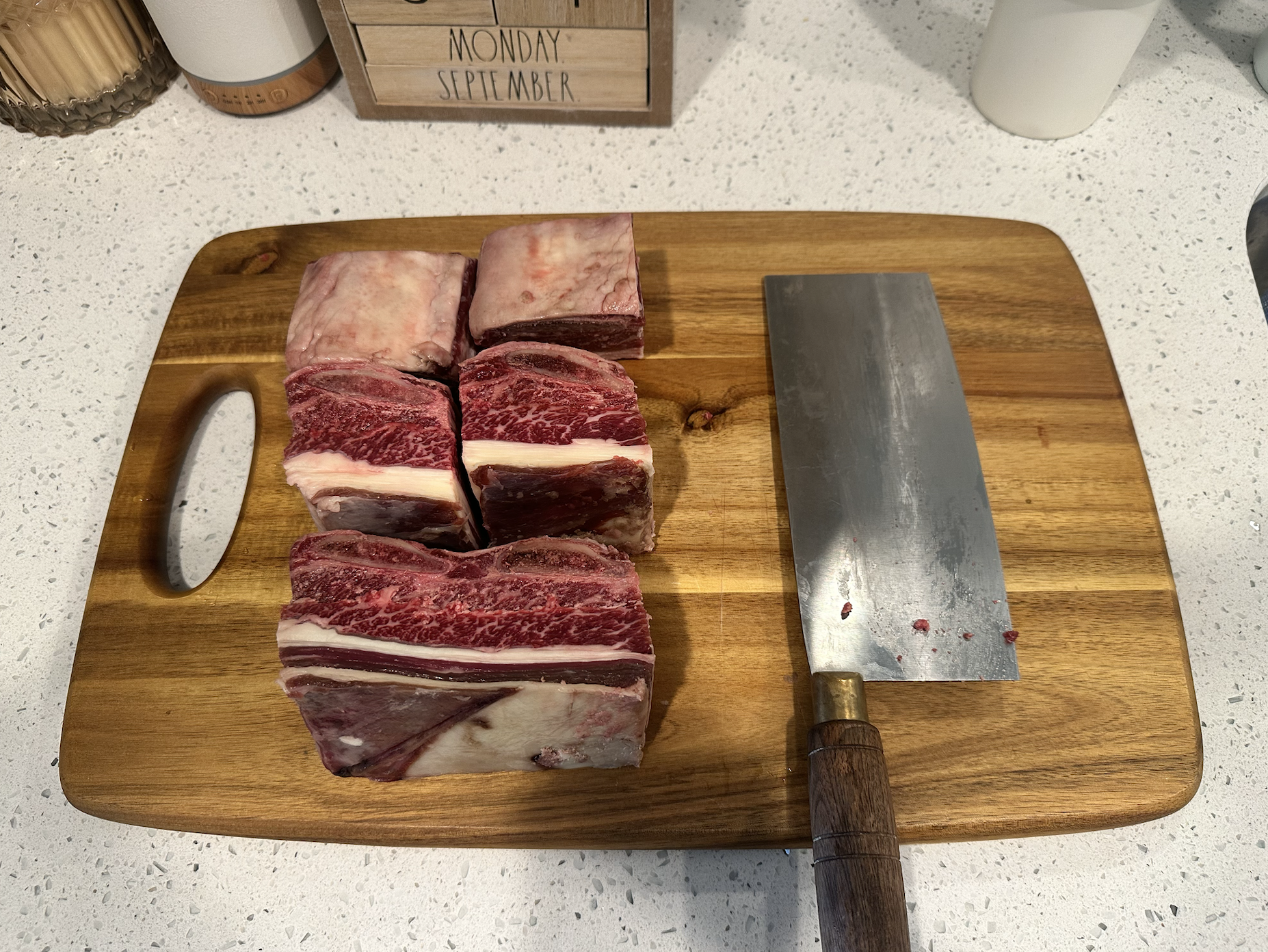
For Plant-Based Athletes
I’m not a dietitian, so I’m not here to tell you exactly how much you personally need—but I found a resource that helped me think about this in a smarter way. No Meat Athlete → breaks down why the old “complete vs. incomplete protein” fear is outdated: your body builds an amino acid pool from the plant foods you eat across the day, so you don’t have to “combine” specific proteins at every meal.
A better question than “Is every meal complete?”: “Do I consistently eat protein-forward plant foods across the day?”
No Meat Athlete points out that lysine can be a “limiting” essential amino acid for some vegan diets, and that focusing on lysine-rich foods can be a helpful way to feel confident you’re supporting overall protein quality.
Easy lysine-rich “anchors” (choose what fits you)
From their list: tempeh, seitan, lentils, tofu are especially strong options, with quinoa, pumpkin seeds, pistachios also contributing.
Protein Timing (Helpful For Athletes - Without OverHyping it)
Protein timing can be useful, but it’s worth saying up front: the research isn’t perfectly consistent. Some studies suggest that getting protein soon after training can support recovery and adaptation, while other research shows the bigger driver is your total daily intake and overall consistency—not hitting an exact post-workout window. In other words: timing can help, but it’s not magic.
What helped me was using timing as a simple structure, not a strict rule. I stopped treating it like “if I miss the window, it doesn’t count,” and started thinking in repeatable moments—especially on heavy training or rehab days. Getting protein earlier in the day kept me from playing catch-up at night, and having a protein + carb meal or snack after training made recovery feel smoother (less crash, less soreness, more consistency).
Takeaway: The data on timing is mixed, but the trend is clear: consistent protein across the day matters most, and timing can be a helpful bonus—especially when you’re stacking hard sessions.
Helpful Resource: FOOD-FIRST FUELING: WHEN TO CONSUME PROTEIN FOR MAXIMUM MUSCLE GROWTH
Sources: ASPDA Downloadables | NATA Injury Recovery PDF | UIOWA Women’s Wrestling Nutrition Team | NSF Certified for Sport