YEAR 1 — FIRST ACL TEAR
It happened in an instant — a sound I’ll never forget. A sharp pop. A flash of pain. A silence that somehow felt louder than the crowd. The world narrowed down to one terrifying question: What just happened?
It was the quarterfinals of the U.S. Open Senior World Team Trials. I was leading a match that had demanded everything — grit, pace, strategy. I felt sharp. Hungry. Exactly where I needed to be.
Then came the pop. Not a sound you hear — but a sound you feel.
I hit the mat hard, clutching my knee. I was screaming from both pain and fear, because I knew something wasn’t right. But I chose to believe I was okay. I’ve trained my entire life to push through painful moments… to finish the match. So after five minutes of recovery and a solid tape job, I stood back up and convinced myself — and everyone else — I could keep wrestling. I wasn’t just fighting for that match — I was fighting to keep my season, my goals, and my identity intact.
Less than a minute later, my knee collapsed again. This time, there was no getting back up. As my dad carried me off the mat, I caught a glimpse of my opponent’s hand being raised. Amidst all the tears, in that moment, I broke something deeper than just a ligament.
Back in the training area, my knee was assessed.
“No ACL,” they said. “You’d be a lot more swollen if it was.”
I believed them. I needed to. With the Pan-American Games less than three months away, I couldn’t afford an ACL tear. I needed something quick and easy — something I could ice, tape, and push through.
Minutes later, they wheeled in another athlete. Her knee was visibly deformed, a baseball-sized lump rising above her kneecap. I remember staring at it, thinking, that’s probably what a torn ACL looks like. Mine couldn’t be that bad…
But the body doesn’t lie. Days later, my swelling increased. My stability worsened. My pain ceased to improve. And despite everything I tried to believe, an MRI confirmed what I least expected — a complete ACL tear. The gold standard in confirming ligament damage, the MRI left no room for interpretation.
I sat with that news in silence, the near future turning blurry. I was no longer thinking about the match I had lost, or how I would begin preparing for the next big event, or even how much I had trusted the trainer’s words — I was thinking about walking. About undergoing my first surgery. About missing my inaugural college season as a member of the first D1 women’s program in the country. About missing an opportunity to make the 2024 Olympic team. About the weight of starting over, and rebuilding myself from scratch.
This was the start of a new understanding of what it means to be injured. That hopelessness and feeling of loss that most injured athletes describe was something I would soon relate to. But I wanted to be resilient and turn my adversity into a positive force. Using the support of my coaches, teammates, and family, I made it my mission to return to the mat as a better athlete — both mentally and physically.
I was lucky to have access to great care — a supportive team and skilled professionals who guided me through my toughest weeks. That summer, I worked with Dr. Douglas Hoogendyk, a leading expert in biomechanics and movement science known for his work with high-performance athletes (specifics included under the Injury & Rehab section). Those early months were as much about relearning as they were about rebuilding. I had to strip away habits that no longer served me and trust in a slower, smarter process for the sake of my knee.
And through it all, I found other, more intentional ways to get better and stay connected with my inner athlete — strength training for my upper body, watching film, journaling, and enjoying time with my family before returning to Iowa.
The toll injury took on my mentality required the most work. I realized recovery wasn’t just a process of healing a joint — it was the challenge of reassembling my sense of self, piece by piece.
But part of being an athlete is learning how to take adversity and build from it. That mindset — the ability to adapt, to stay coachable, to get back up after falling — became my anchor. I treated my rehab as a new kind of training.
My progression was ahead of schedule — I started running after three months, and the jumping mechanics quickly returned to second nature. Every setback became a lesson in patience. Every small milestone — my first straight leg raise, breaking 90 degrees, walking unassisted, running my first mile, stepping on the mat again, shooting my first shot — became a reminder that progress doesn’t always come fast, but it will come.
I learned how to reframe success. Some days, it was finishing a workout without pain, or passing my return-to-sport test. Other days, it was simply staying mentally present, not letting the doubt hold me back.
This was the most valuable part of my recovery the first time around, and it fueled my desire to capitalize on the next big opportunity — the 2024 Olympic Trials Last Chance Qualifier.
I had missed everything that season, but there were three events in April that weren’t completely off the table. At eleven months post-op, I made the decision to go for it — to compete for a spot at the Olympic Team Trials. But qualifying wasn’t automatic. I’d need to win the Last Chance Qualifier during the first week of April. If I succeeded, I’d earn a place at the Trials. In between those two events was the Junior World Team Trials — three high-stakes competitions. Three weekends back to back.
I knew what I was signing up for. The intensity. The pressure. The risk. But I also knew how hard I had trained. I trusted my rehab. I trusted my body. And more than anything, I felt that fire again — the kind of inner momentum that only athletes understand. After nearly a year on the sidelines, I didn’t just want to return to competition. I wanted to throw myself into the heart of it.
My plan was bold: compete in all three tournaments, and let the months of disciplined recovery carry me.
I won the first tournament.
The Last Chance Qualifier had been my ticket — and I punched it. Stepping back onto the mat and leaving with my hand raised after everything I had been through felt like more than a win; it felt like reassurance. My body held up. My training showed. My rehab had meant something.
A few days later, I competed at the Junior World Team Trials. I fought hard, made the finals, and finished second — earning a spot on another Pan American team. I was proud, but I was also starting to feel it. Competing back-to-back after such a long layoff came with a price. My knee was holding, but it was whispering — reminding me that I wasn’t indestructible.
By the time the Olympic Team Trials came around, my body felt tight, fatigued… protective. Still, I showed up and made it to the quarterfinals. I was focused and determined — until I got caught in a lace. The moment it was locked in, I felt it. Not a sharp pop, not a tear — but a deep, familiar ache that warned me: Don’t push this.
I was teched in that match, and I made the decision to pull out of the competition. I could’ve kept going. I could’ve forced myself to finish the bracket. But for the first time, I didn’t feel like I had to prove anything. I had already proven something to myself — that I could return, that I could compete, and that I could still be me after everything.
Calling it wasn’t quitting. It was choosing myself — and listening to the body I had spent nearly a year learning to understand.
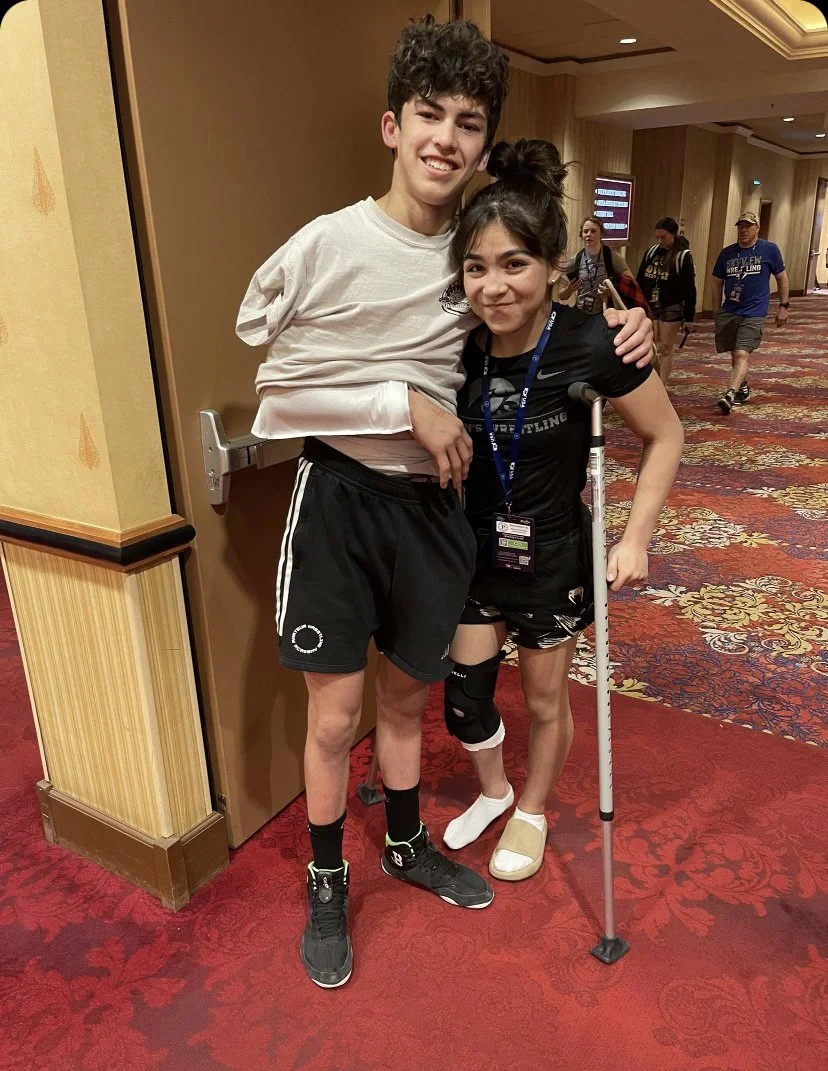
U.S. OPEN — The day it all started… (Photo with club teammate, Tommy Holguin)
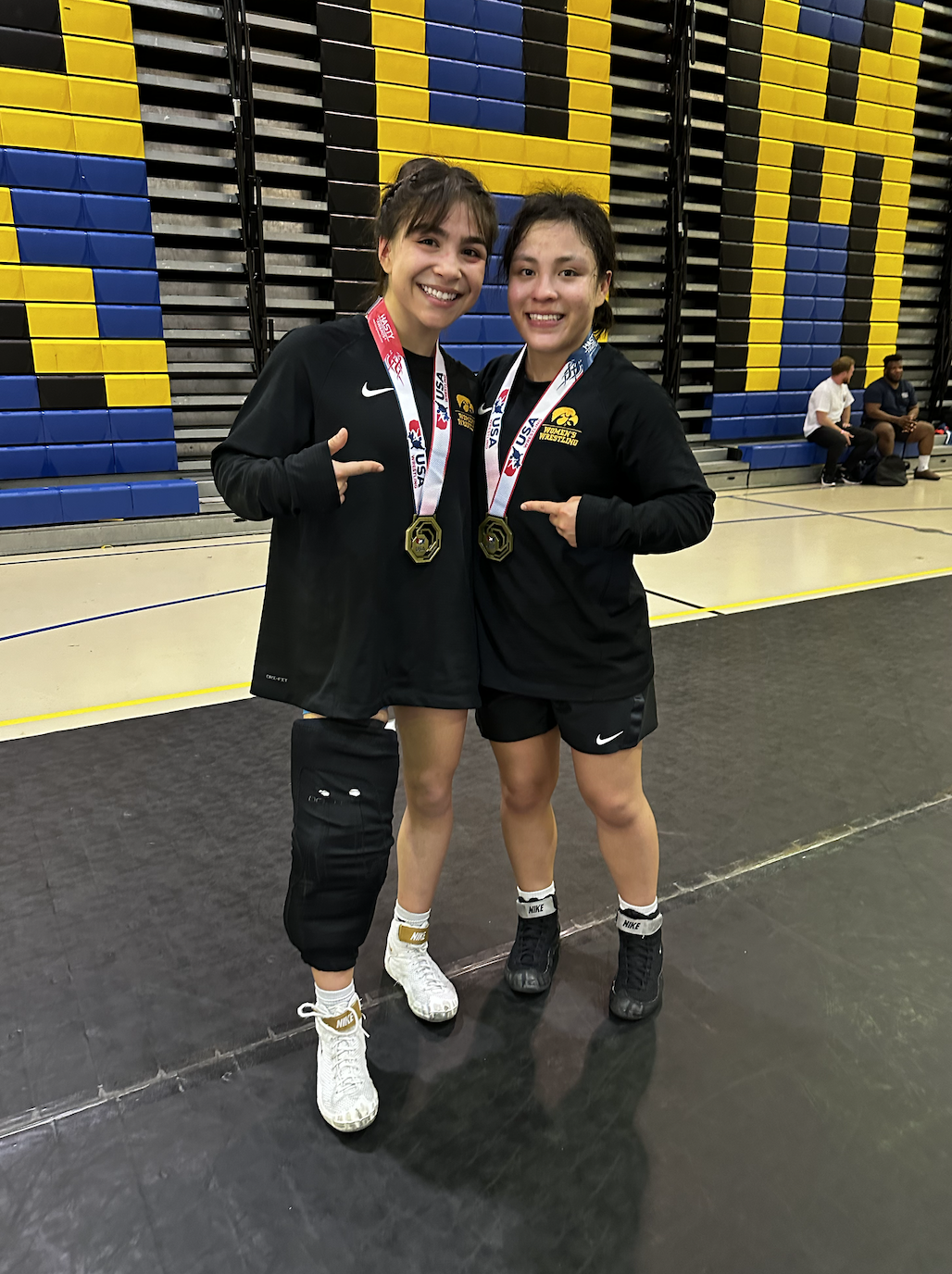
LAST CHANCE OLYMPIC TEAM TRAILS CHAMPION (Photo with my teammate, Brianna Gonzalez)
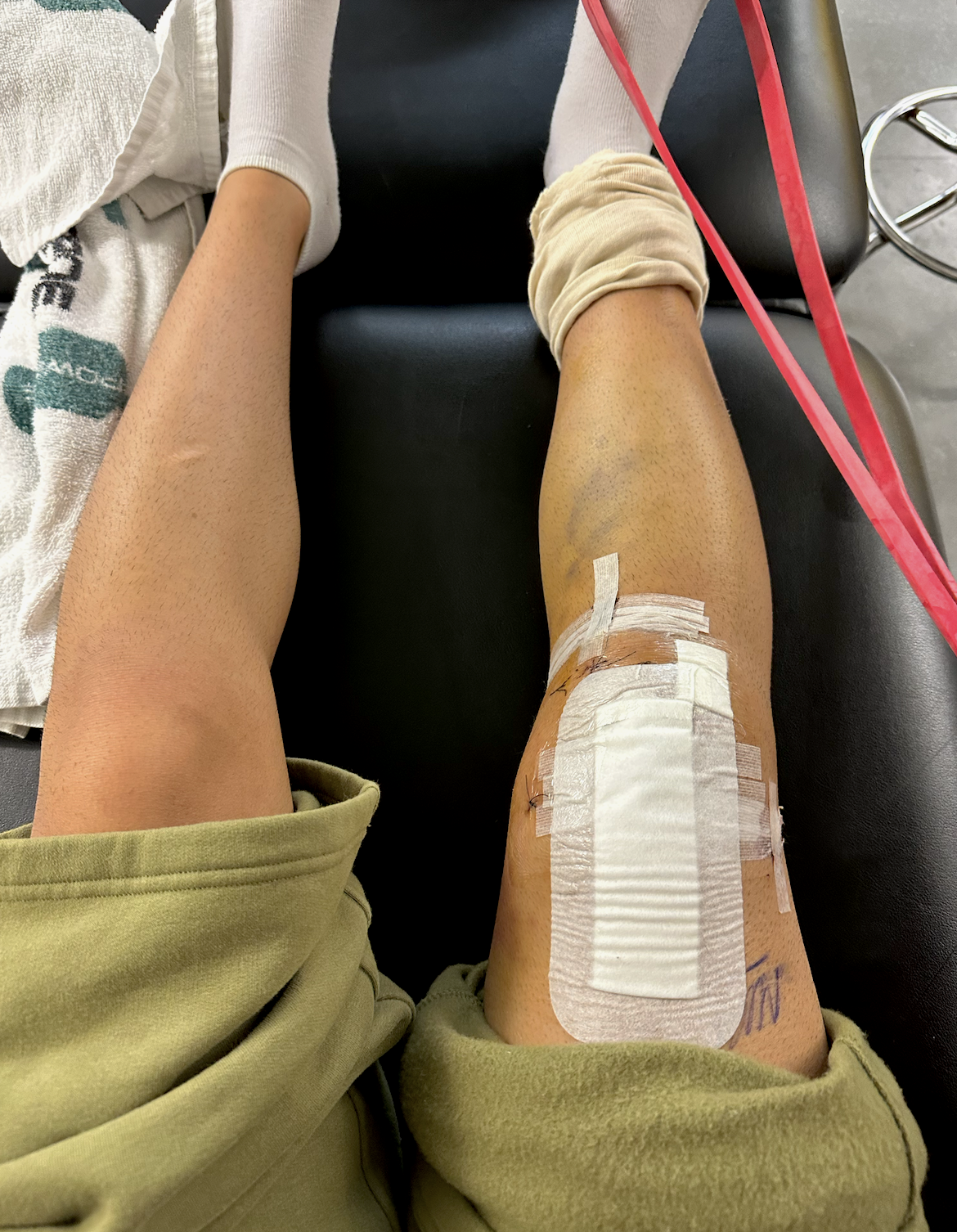
This is where RebuildYou started — not with the injury, but with what happened after I refused to let it be the end. After tearing my ACL, I came back and punched my ticket to Olympic Trials. This interview captures that moment — and the mindset behind it.
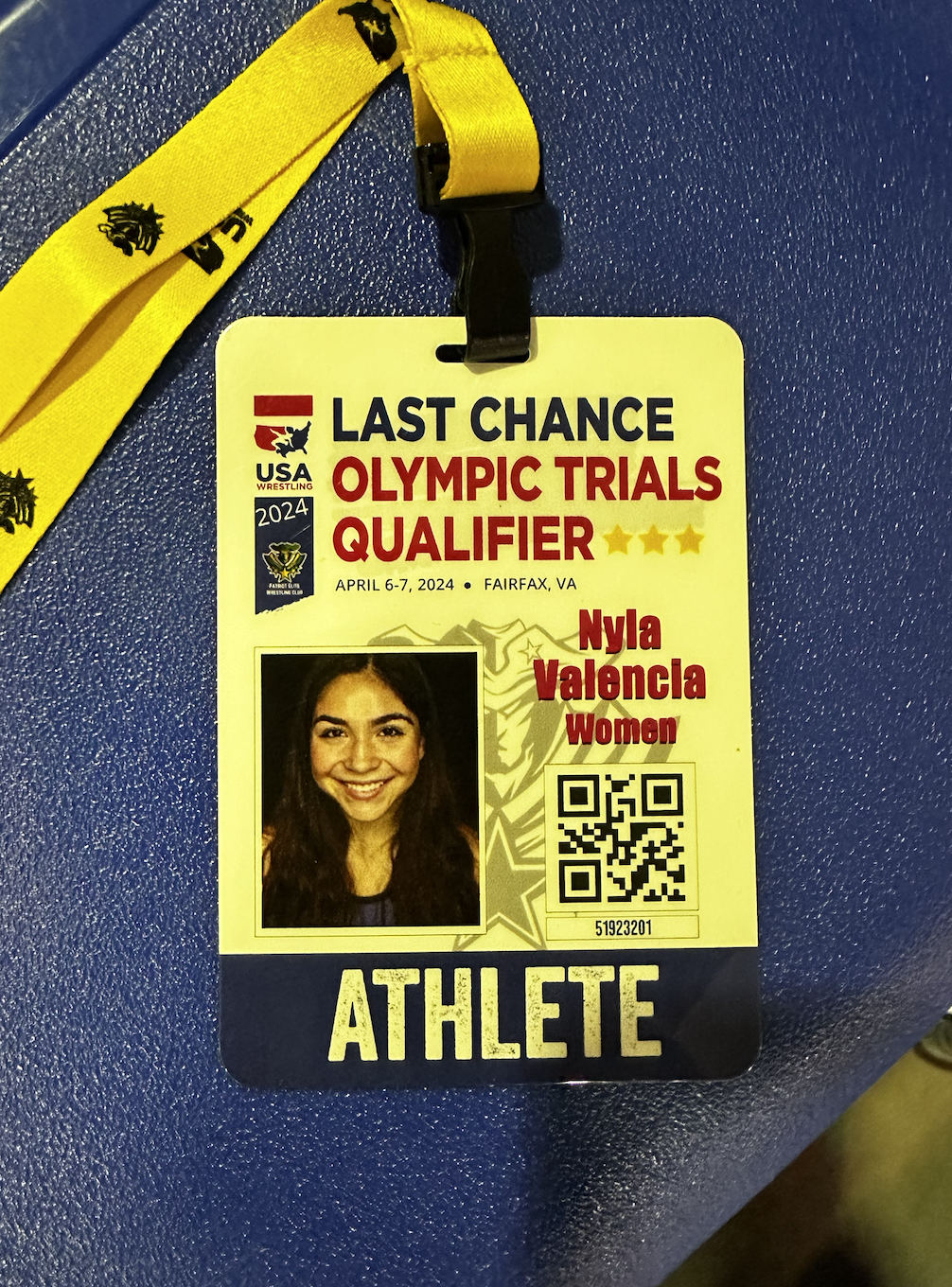
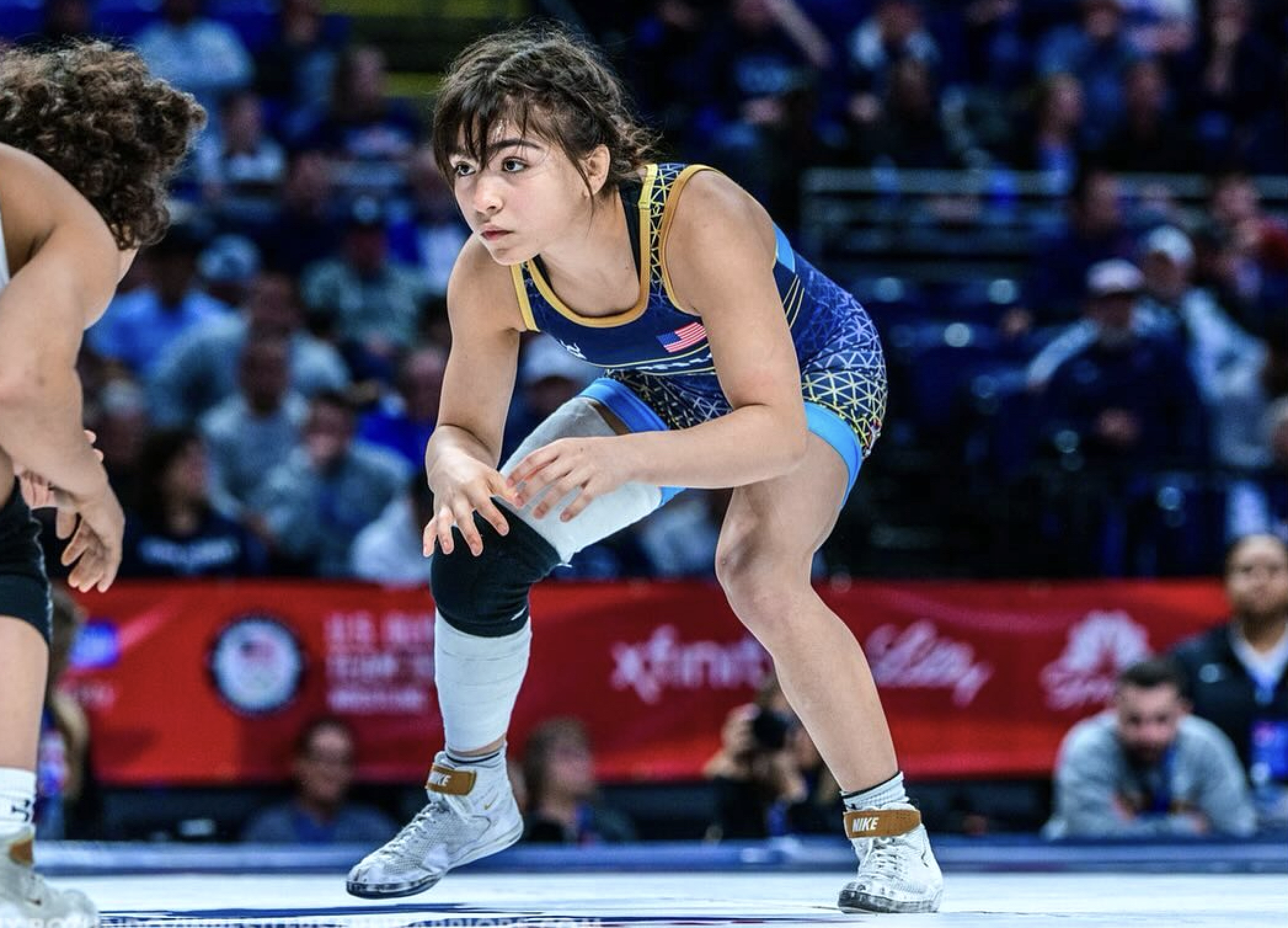
2024 OLYMPIC TEAM TRIALS — QUARTERFINALS