Recovery Micronutrients
RebuildYou | The Big Rocks v1.0 • Jan 2026 • Educational Resource
When most athletes think about recovery nutrition, they think about protein first (which matters a lot). But what I didn’t realize early on is that micronutrients—vitamins and minerals—can quietly influence how well your body heals, adapts, and rebuilds. I’ll be honest: this is a tricky topic for me to talk about, because I’m not a dietitian and I don’t want to overstep what I actually know. But I still think it’s worth including, because micronutrients play a role in things like tissue repair, immune support, energy levels, and bone health—and most injured athletes (including me) don’t think about them until recovery forces you to. This page is here to make micronutrients feel simple, not overwhelming—just a foundation you can build on as you heal.
Disclaimer: I’m not a dietitian. This page is educational and experience-informed—designed to help injured athletes understand the fundamentals, stay consistent, and know when to bring in a professional. If you have medical conditions, restrictions, deficiencies, or performance goals, a registered dietitian or doctor can provide individualized guidance that’s safe and specific.
What Are Micronutrients?
THE “SMALL STUFF” MAKES A BIG DIFFERENCE…
Micronutrients = vitamins + minerals your body needs in smaller amounts than macros… but they still play a huge role in how you feel and recover.
Macros = building blocks + fuel (protein, carbs, fats)
Micros = tools that help your body use that fuel properly
Think of it like this:
You can have all the supplies to rebuild a house — but if you don’t have the tools, it’s slower and messier.
Why Do they matter more during injury?
Injury recovery puts extra demand on your body.
Even if you’re training less, your body may be working harder behind the scenes:
rebuilding tissue
managing inflammation
dealing with stress
adapting to changes in appetite + activity
That means micronutrient gaps can show up faster — especially if your routine is disrupted.
The simplest approach: “Color + Variety”
When I was injured, my routine changed, my appetite changed, and I wasn’t training the same — but I still needed my body to repair tissue, stay resilient, and rebuild strength. Once I started focusing more on nutrient density (not just calories), I noticed I felt stronger and more recovered — mentally and physically.
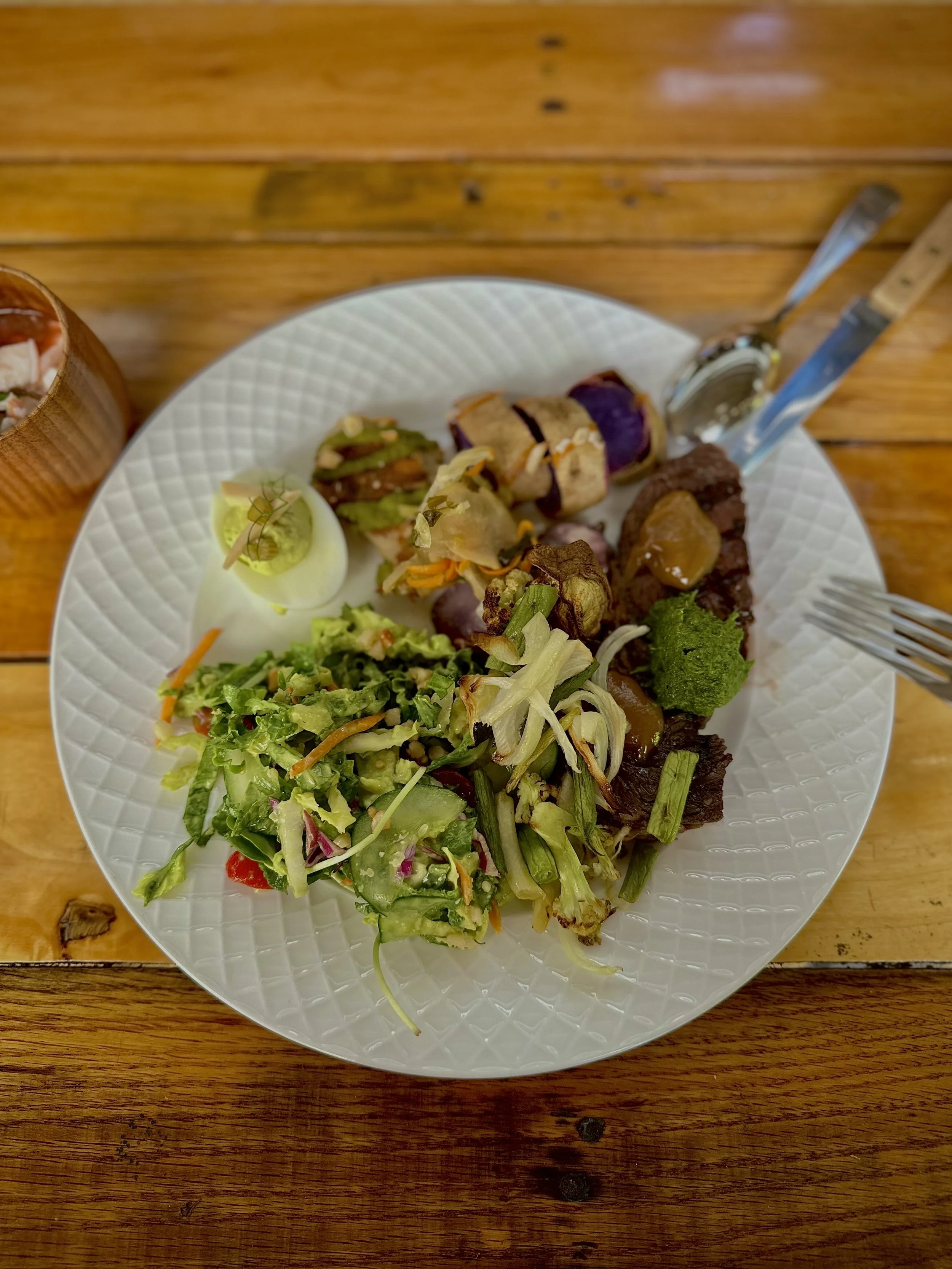
A “micronutrient-rich” plate usually looks like:
Color (fruits/veggies show up consistently)
Variety (not the exact same meals every day)
Whole foods as the baseline (not perfect, just present)
Easy ways I built micronutrients in without eating more volume:
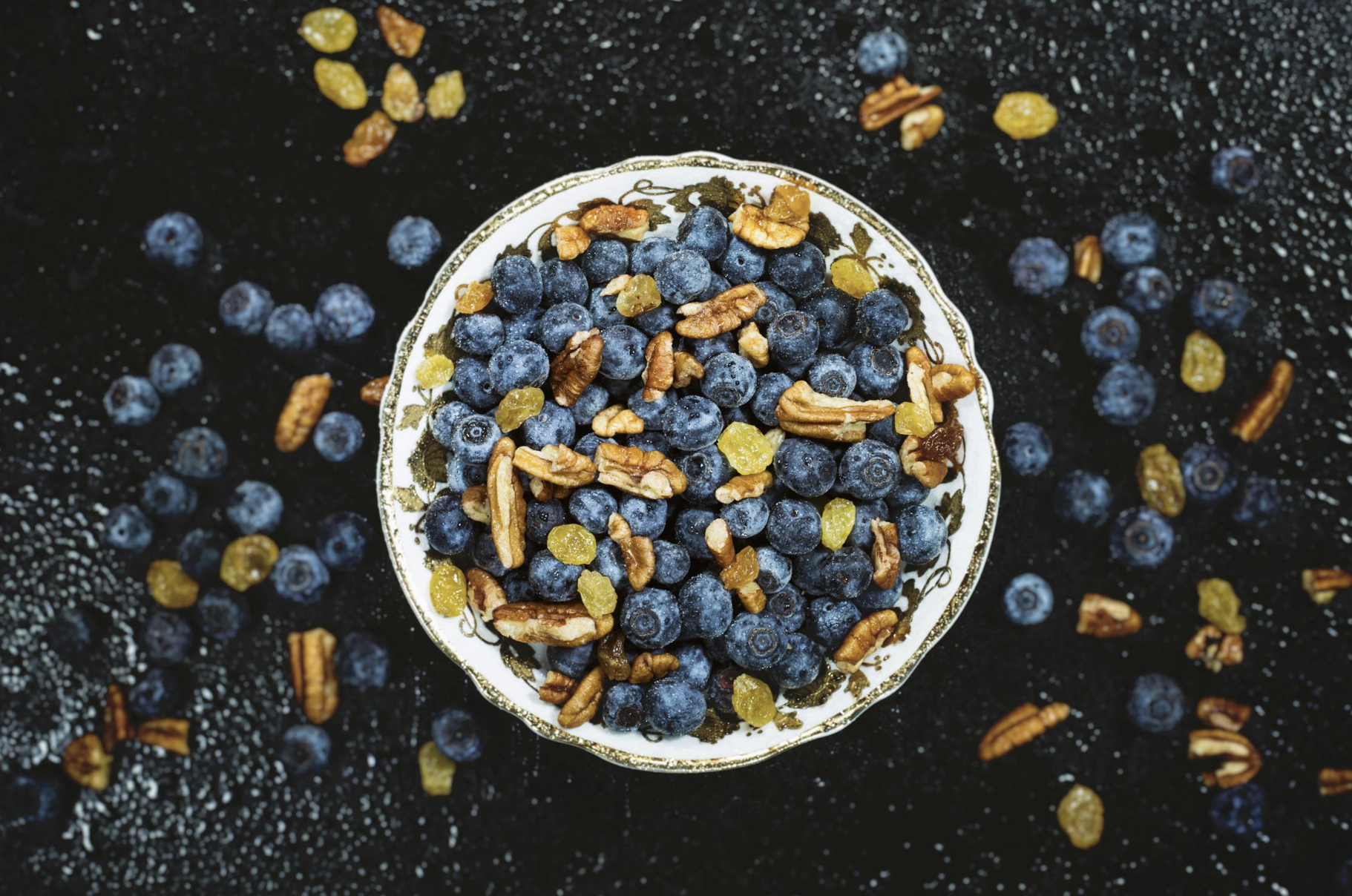
add berries or fruit to something you already eat
add spinach/greens into wraps, bowls, or smoothies
include a side veggie you actually enjoy
rotate “one new food” each week (simple variety)
The Ultimate Glossary — Micronutrients to KNow
This glossary is for informational purposes only — to inform you of the ones that are most commonly connected to healing, energy, and tissue repair.
VITAMIN C
Supports collagen formation and helps your body with tissue repair.
Food examples: citrus, strawberries, bell peppers, broccoli
VITAMIN D
Often linked to bone health, immune function, and overall recovery support.
Food examples: eggs, fatty fish, fortified milk/yogurt
Note: This is one a lot of athletes get checked with labs.CALCIUM
Supports bone strength and muscle function — especially important if your activity has dropped and your system is adjusting.
Food examples: dairy, fortified milks, leafy greens, tofu
ZINC
Supports healing processes and immune function — a common “recovery” mineral.
Food examples: meat, shellfish, beans, nuts, seeds
IRON
Important for energy, oxygen transport, and performance — and can be a big deal for athletes (especially if you feel unusually fatigued).
Food examples: red meat, spinach, beans, lentils
Important: Iron is one to be careful with supplementing without guidance.MAGNESIUM
Supports muscle function, sleep quality, and nervous system regulation — all things that matter a lot during recovery.
Food examples: nuts, seeds, whole grains, leafy greens, dark chocolate
B VITAMINS
Support energy metabolism (how your body turns food into usable energy). They don’t “give energy” instantly — but they help your system run smoother.
Food examples: meat, eggs, dairy, grains, legumes
VITAMIN A + E
Often connected to immune support and cellular function.
Food examples:
Vitamin A: carrots, sweet potatoes, leafy greens
Vitamin E: nuts, seeds, avocado, olive oil
When to bring in a professional
A registered dietitian or doctor can be a game-changer if:
you’re losing weight unintentionally
you’re exhausted all the time
you suspect low iron or vitamin D
food feels stressful or disordered
you want a plan that matches your exact injury + sport demands
Support isn’t dramatic — it’s strategic.
Sources: ASPDA Hydration & Fueling Downloadables | NATA Injury Recovery & Rehabilitation Nutrition | UIOWA Women’s Wrestling Nutrition Team | Allison Mankowski