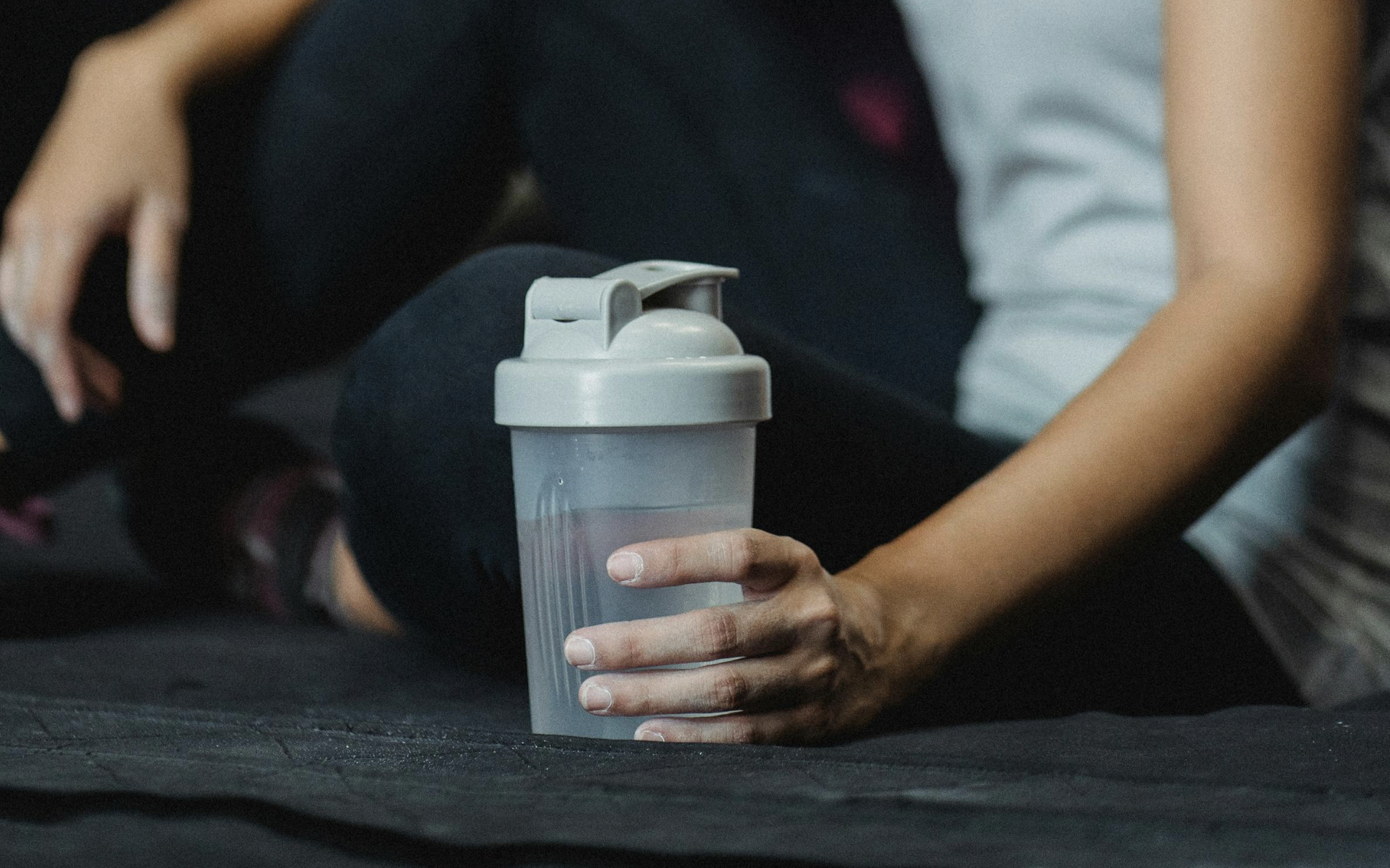
Hydration + Electrolytes
RebuildYou | The Big Rocks v1.0 • Jan 2026 • Educational Resource
Hydration is one of the least glamorous parts of recovery — yet it still decides your day. When I was rehabbing, the difference between a good session and a session that felt like dragging concrete was often simple: I was behind on fluids. Not “dehydrated” in a dramatic way — just behind enough that my energy dipped, my head felt foggy, and my body felt stiffer than it needed to. This page breaks hydration into a system you can repeat, plus when electrolytes actually make sense.
Disclaimer: Educational only. Not medical advice. If you have medical conditions, fluid restrictions, or symptoms like dizziness/fainting, talk to your healthcare team.
The Hydration Reality Check
A REPEATABLE SYSTEM FOR REHAB DAYS…
Most athletes don’t have “hydration knowledge problem.” We all know fluids matter for recovery and training. The issue is usually timing. What does that look like in real life?
Many of us drink in waves:
Morning starts fast — Water gets skipped
Coffee becomes the “first fluid”
You realize you’re behind late afternoon
You try to fix it at night
But hydration isn’t effective when it’s made up at the last minute. If you’re behind all day, rehab tends to feel heavier — and the rest of recovery gets harder to stabilize.
Why Hydration Matters for Healing Athletes
Hydration supports the behind-the-scenes work your body is doing during recovery:
Circulation + nutrient delivery: helps move energy and nutrients where they’re needed
Temperature + stress tolerance: helps you handle the strain of rehab/training
Digestion: constipation and bloating are common post-op; fluids matter
Energy + focus: dehydration often shows up as fatigue or brain fog
Tissue comfort: stiffness can feel worse when you’re behind on fluids
Rehab performance: PT is training; hydration affects how steady you feel
Takeaway: hydration is not just “health.” It’s function.
hydration patterns that can hit healing athletes
These are patterns that looked normal to me — but didn’t support my recovery:
Coffee first, water later
Only drinking when you’re thirsty (thirst can lag behind need)
Drinking mostly at night (doesn’t help your rehab day)
No plan on busy days → you get behind without noticing
Overthinking electrolytes → either never using them when you should or relying on them constantly
Reflection: For me, the hardest part was hydrating early and staying consistent through the day. I was the type to wait until my body “told me”—cotton mouth, dry lips, that thirsty feeling—without realizing those were late signals. I wasn’t getting thirsty and then dehydrated; I was already behind.
I also assumed electrolytes were only for athletes who were drenched in sweat. Since I wasn’t sweating much during rehab, I figured they didn’t apply to me. Later I learned they can still be a useful tool in certain situations—even during recovery—depending on how you’re feeling and what your day looks like.
A SELF CHECK I USED: AM I BEHIND ON FLUIDS?
If two or more were true for me, hydration was probably affecting your day:
headache or brain fog
fatigue that feels “too heavy”
dry mouth / sudden thirst
constipation / sluggish digestion
darker urine / not peeing much
cramps or “dead legs”
rehab feels harder than expected
THE SIMPLEST WAY I FIXED MY HYDRATION HABITS: THE 3-CHECKPOINT SYSTEM
Checkpoint 1 — Morning baseline
I got fluids in early. If I started the day behind, I would have to spend all day catching up.
Checkpoint 2 — Midday reset
I’d refill my water bottle by midday. I didn’t want to enter the afternoon already depleted.
Checkpoint 3 — Rehab + evening support
I’d sip on fluids during rehab and with meals. Small amounts consistently beat a huge late-night catch-up.
My Goal: a steady baseline — not perfect intake.
Electrolytes: What are they and why do they matter?
Electrolytes (like sodium, potassium, magnesium, chloride) help regulate:
fluid balance
nerve signaling
muscle contraction
performance/comfort during sweating
When electrolytes can be useful (general)
heavy sweating sessions
hot/humid environments
long practices or extended rehab blocks
frequent cramping
days when water alone doesn’t fix the “flat” feeling
When you probably don’t need them
low sweat days
short sessions
when your fluids and meals are already consistent
Translation: electrolytes are a tool for specific situations — not a daily badge.
My Take on Hydration Optimization for Injury Recovery
Hydration was already a weak spot for me. Add lower appetite and the fact that recovery still demands steady fluids and nutrients, and I knew I had to get more intentional—without making it complicated.
What helped me make it doable:
Make water taste like something: I’d flavor it with fruit so I actually wanted to drink it.
Match temperature to the moment: colder fluids after training felt more refreshing; warmer fluids in the morning/evening felt easier on my stomach and helped help me wind down.
Use soups and broths for extra support: soups/broths were an easy way to add fluid + sodium. (Bonus if you can make them yourself.)
Small sips all day: I stopped trying to “catch up” at night and focused on staying steady.
Choose the right bottle strategy: I like smaller bottles and refilling them—it feels like progress and keeps me consistent. If refills aren’t realistic, a larger bottle makes it easier to stay on track.
WHEN TO GET SUPPORT
Reach out if you’re experiencing:
dizziness, fainting, rapid heart rate
persistent vomiting/diarrhea
severe constipation or abdominal pain
inability to keep fluids down
known medical conditions or medications affecting fluid balance
A sports dietitian or athletic trainer can also help if hydration/electrolytes are affecting energy, cramping, or recovery consistency.
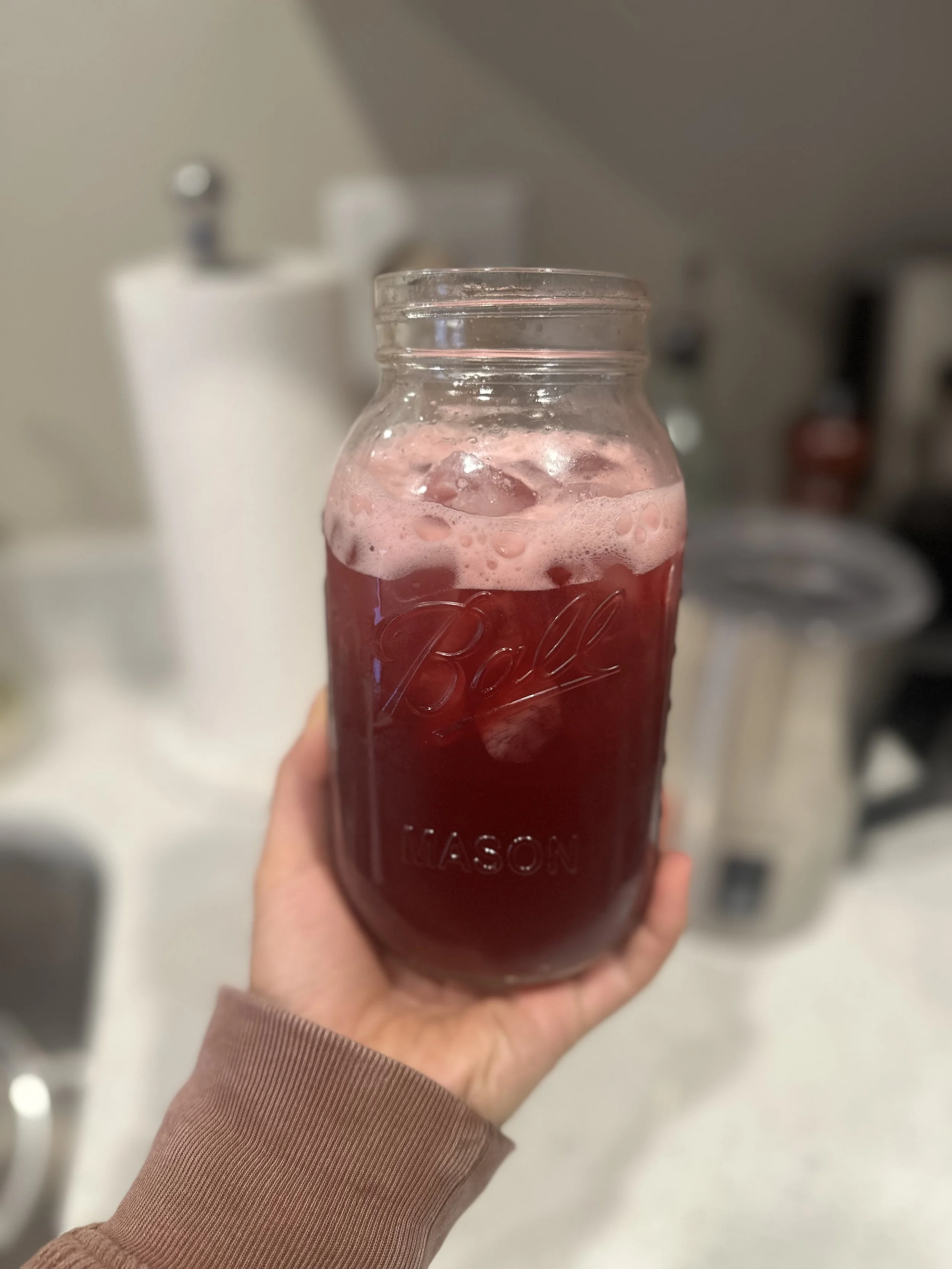
Nature’s Gatorade: Coconut Water, Tart Cherry Juice, Celtic Sea Salt, Honey, Lime, and Collagen
Hydration Menu: My Go-To Mixes
Plain water was never quite enough for me. Sometimes I’d drink it and still feel thirsty—like it wasn’t actually solving the problem. These are simple, naturally hydrating combos I keep on rotation almost daily, whether I’m training or rehabbing:
(I use Celtic Sea salt)
1) Coconut Water Electrolyte Punch
Coconut water + fresh pineapple juice + lime + pinch of salt
2) Orange–Beet Recovery Mix
Coconut water + orange juice + beet juice + pinch of salt
3) Citrus + Salt Reset
Water + lemon or lime + pinch of salt
(simple, underrated, works)
4) “Smooth Sip” Coconut Cut
Coconut water + splash of any juice you like + squeeze of citrus
5) Sparkling Citrus
Sparkling water + lime + splash of pineapple or orange
(when I want something crisp)
6) Nature’s Gatorade (Refer Above)
Note: These aren’t medical formulas—just mixes that help me drink more consistently. If you have a medical condition or sodium restriction, check with your healthcare team.
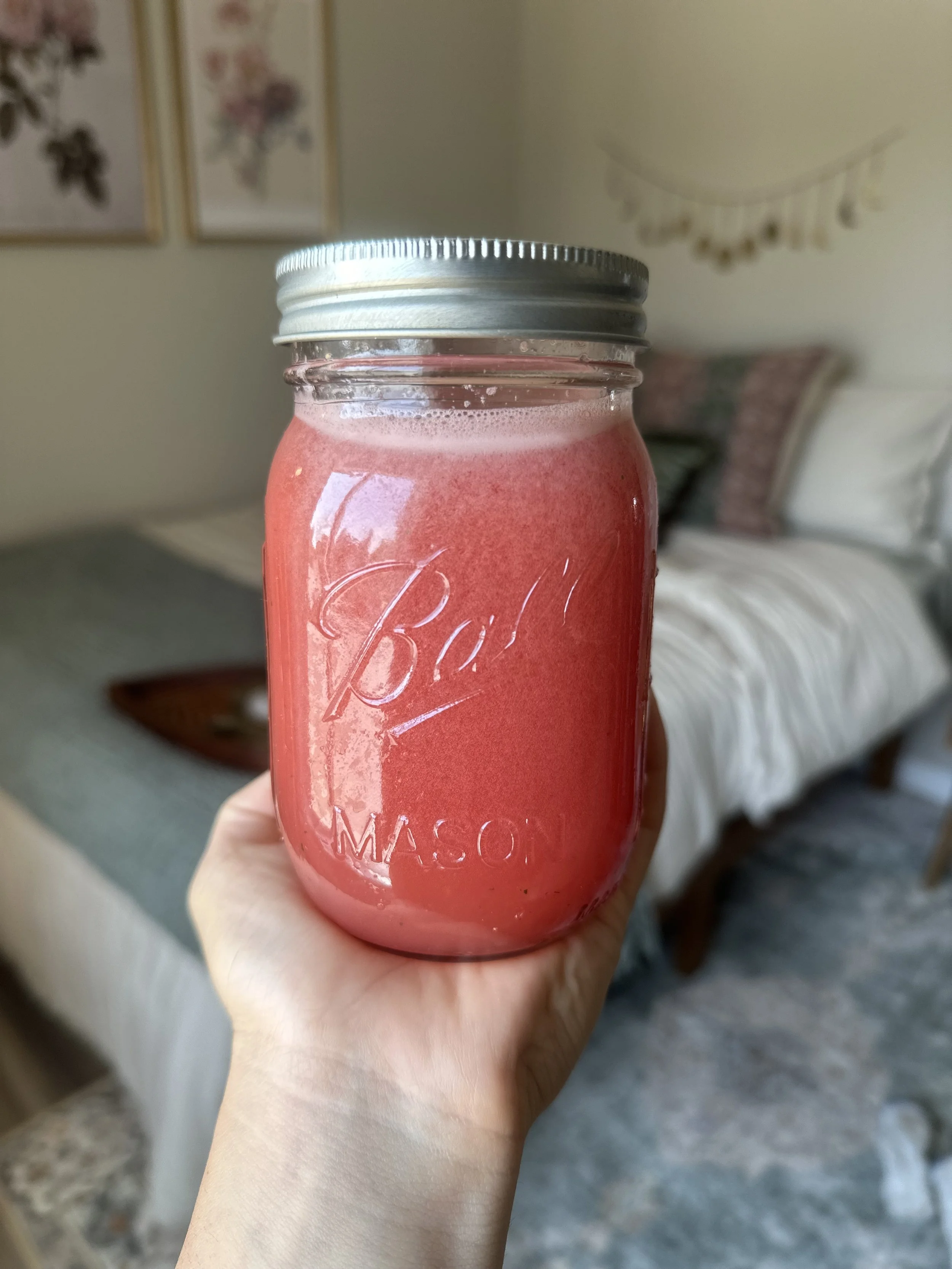
Watermelon Refresher: Fresh pressed watermelon juice, mint, coconut water, honey, lime, and a pinch of salt
Want to Learn More About electrolytes?
Below are a couple trusted sources where you can learn more about why electrolytes matter, what they do in the body, and practical (safe) ways athletes use them — including the best electrolyte options:
Sports and Hydration for Athletes: Q & A with a dietitian
Why this is a great resource for student-athletes:
This Johns Hopkins guide goes a step further than my page by offering a more structured, dietitian-led hydration breakdown—including practical guidance for what to drink before, during, and after activity, plus clear explanations of electrolytes and how to choose sports drinks based on sweat loss. If you want a more “optimal hydration” framework from a credentialed professional, this is a strong place to start.Why it’s a great rehab resource for student-athletes:
NATA is the professional organization behind athletic trainers, and this resource provides a clear, certified framework for hydration and fluid balance (definitions, signs of abnormal hydration, and practical strategies). It’s especially helpful during rehab because it goes beyond “drink water” and explains how to build a hydration routine and when electrolytes matter—without relying on hype
My top takeaways from these resources…
Hydration is a balance, not “more is always better.” NATA emphasizes that both too little fluid (hypohydration) and too much fluid (hyperhydration) can harm performance and health—especially because overdrinking can increase the risk of hyponatremia.
The best hydration plan is individualized—based on your sweat rate and environment. A key recommendation is to measure/estimate sweat losses in different conditions and build a routine that replaces fluids enough to stay safe and effective, without overdoing it.
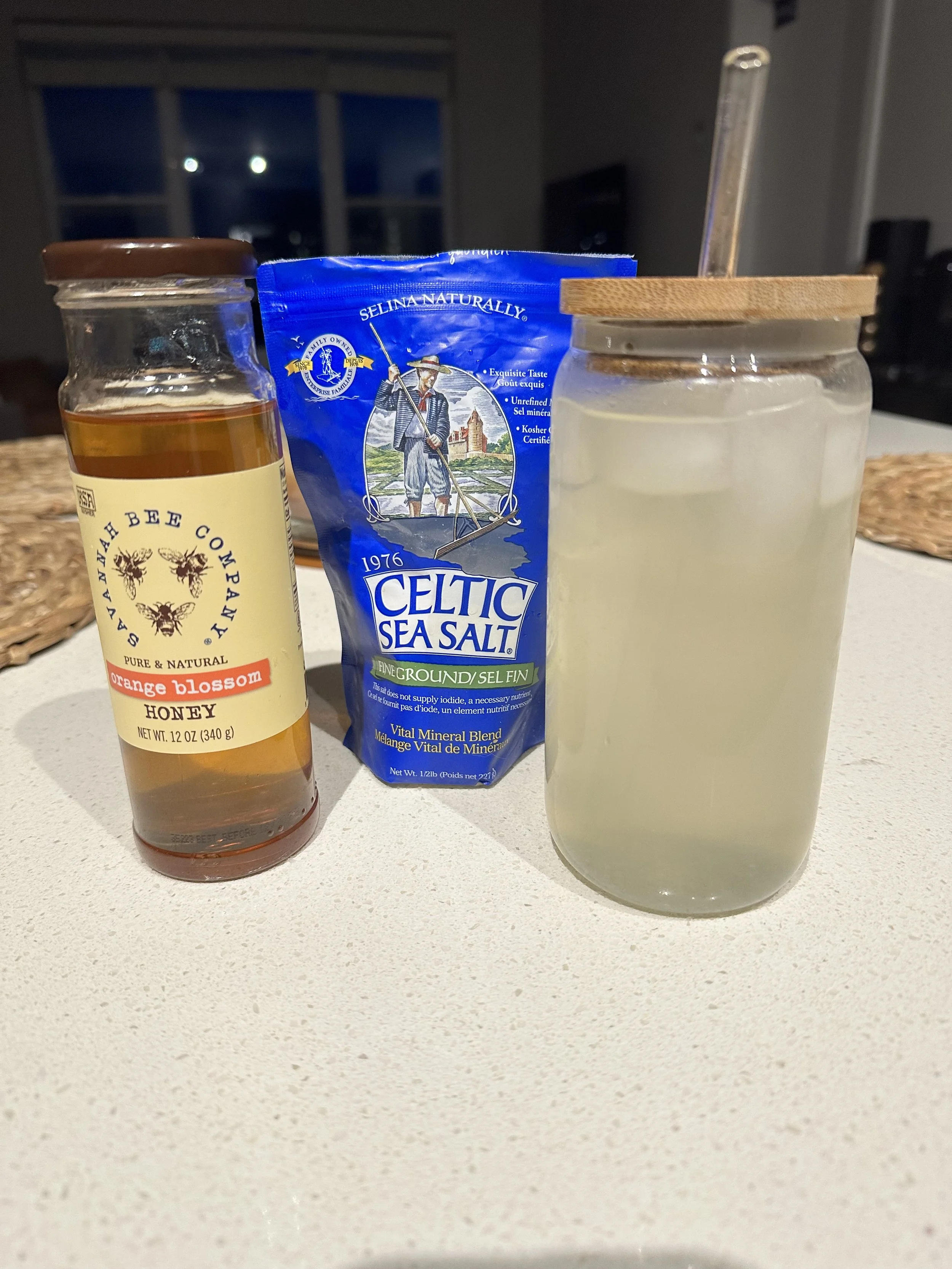
Sources: ASPDA Hydration & Fueling Downloadables | NATA Injury Recovery & Rehabilitation Nutrition | UIOWA Women’s Wrestling Nutrition Team | Allison Mankowski