Fats for Healing Support
RebuildYou | The Big Rocks v1.0 • Jan 2026 • Educational Resource
Fats don’t get talked about enough in sports nutrition—especially during injury recovery. A lot of athletes grow up hearing “low fat = healthier,” but the truth is: healthy fats are essential for healing. They support hormone balance, brain function, nutrient absorption, and inflammation regulation… all things your body relies on when it’s trying to repair tissue and rebuild strength.
This page breaks down what fats actually do, what “healthy fats” look like, and how to include them in a way that feels simple and realistic—without overthinking every meal. When your training routine changes, your nutrition doesn’t have to become confusing. Sometimes the biggest progress comes from making the basics consistent.
Disclaimer: I’m not a dietitian. This page is educational and experience-informed—built to help injured athletes understand the fundamentals, stay consistent, and recognize when it’s time to bring in a professional. If you have specific medical needs, restrictions, or performance goals, working with a registered dietitian can give you a plan that’s personalized and safe.
Fats — Why Do they matter for the recovering athlete?
Fats help your body do some of its most important “background work,” especially when you’re healing.
Healthy fats support:
Hormone health (your body’s stress + recovery systems)
Brain function + mood stability (huge during the mental side of rehab)
Joint health + tissue repair
Absorption of key vitamins (A, D, E, and K)
Long-lasting energy (especially on lower appetite days)
Big takeaway:
Fats aren’t just “extra calories.” They’re part of the system that helps your body recover, adapt, and feel normal again.
What “healthy fats” actually look like
Not all fats are “good or bad,” but some are more supportive for recovery.
Most supportive fat sources…
Omega-3 rich foods (recovery-friendly):
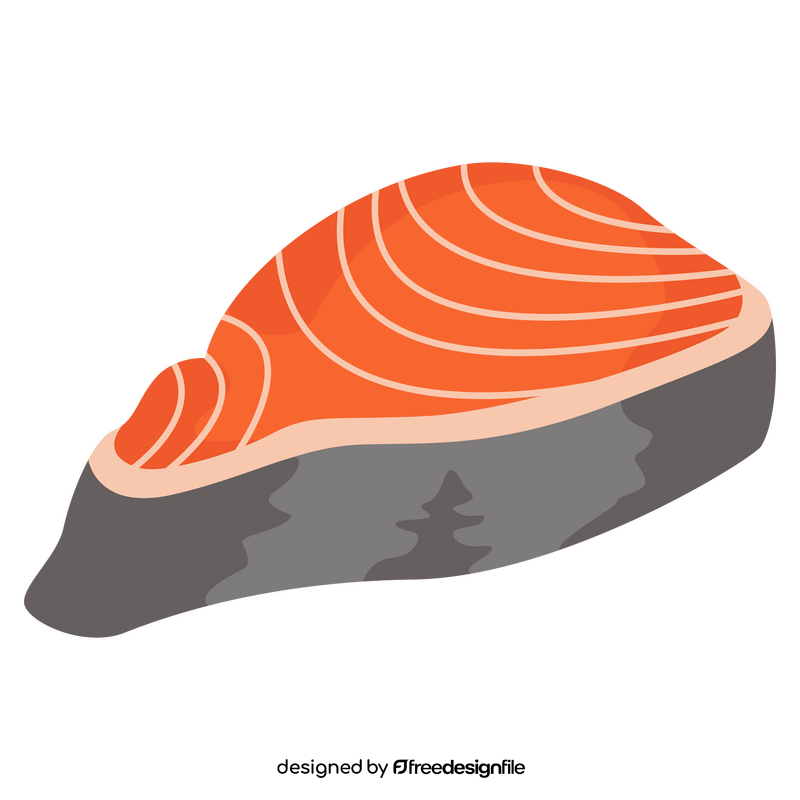
Salmon, sardines, trout
Chia seeds, flax seeds
Walnuts
Monounsaturated fats (easy + clean daily staples):
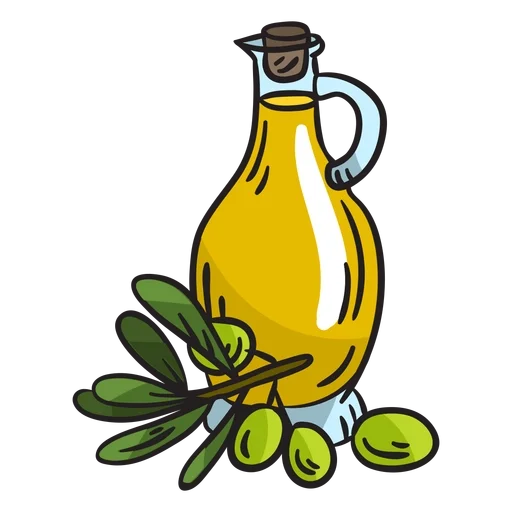
Olive oil
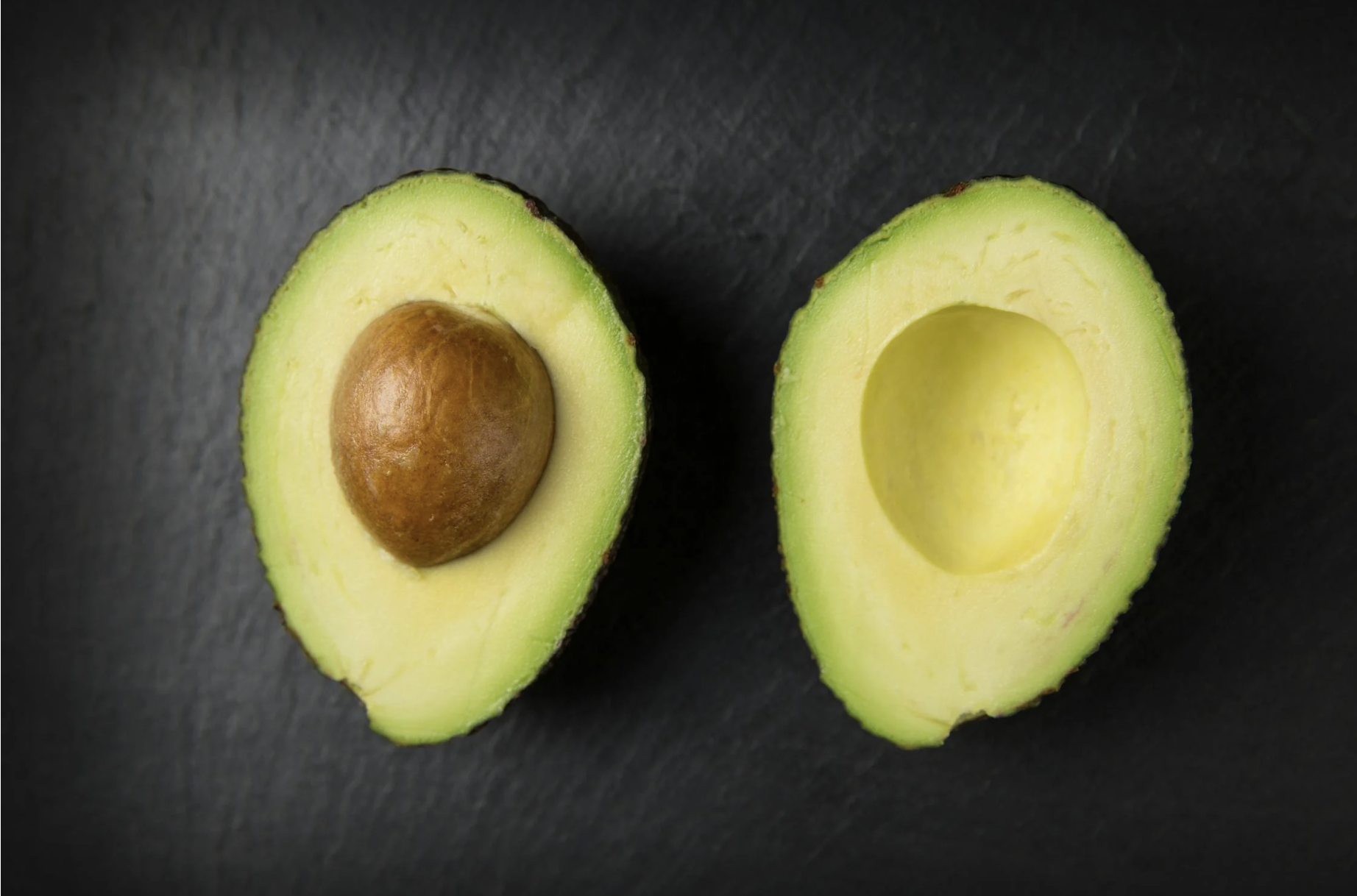
Avocado
Nuts (almonds, cashews, pistachios)
Nut butters
Other helpful fat sources (still great in balance):
Eggs
Full-fat dairy (if tolerated)
Dark chocolate (yes, actually)
Butter (small amounts are fine)
Fats + Inflammation
I know what you’re probably thinking — Inflammation is bad.
Inflammation gets a bad reputation, but it’s actually part of the healing process. Your body uses inflammation to protect tissue and start repairing damage — My goal wasn't to eliminate it. It was to create balance so recovery isn't harder than it needs to be
Some fat sources (like omega-3 rich foods) are often mentioned in recovery conversations because they support the body’s normal recovery processes.
What I focus on:
Aim for fats that come from foods like fish, olive oil, nuts, seeds, and avocado most of the time, and treat ultra-processed fats like “extras,” not the main fuel source.
Read This: An Athletes Guide to Reducing Inflammation →
Patterns I’ve Seen in Athletes
1) Cutting fats out because training dropped
When you aren’t training the same, it’s easy to panic and start shrinking meals.
But recovery still requires fuel—and fats are part of what helps your body function normally.
2) Avoiding fats because of fear
Many athletes have been taught fats = weight gain.
But fats are not automatically “bad”—and avoiding them completely can backfire through:
poor energy
cravings
mood swings
feeling unsatisfied after eating
3) Only getting fats from snack foods
This is super common when routine is chaotic.
A small upgrade is building fats into normal meals—not just random snacks.
When to bring in a professional
This is where a dietitian can be a game-changer:
you’re losing weight quickly without trying
food feels stressful or confusing
your appetite is really low for weeks
digestion feels off consistently
you don’t know how to fuel through injury + training changes
Getting support isn’t weakness—it’s a recovery tool.
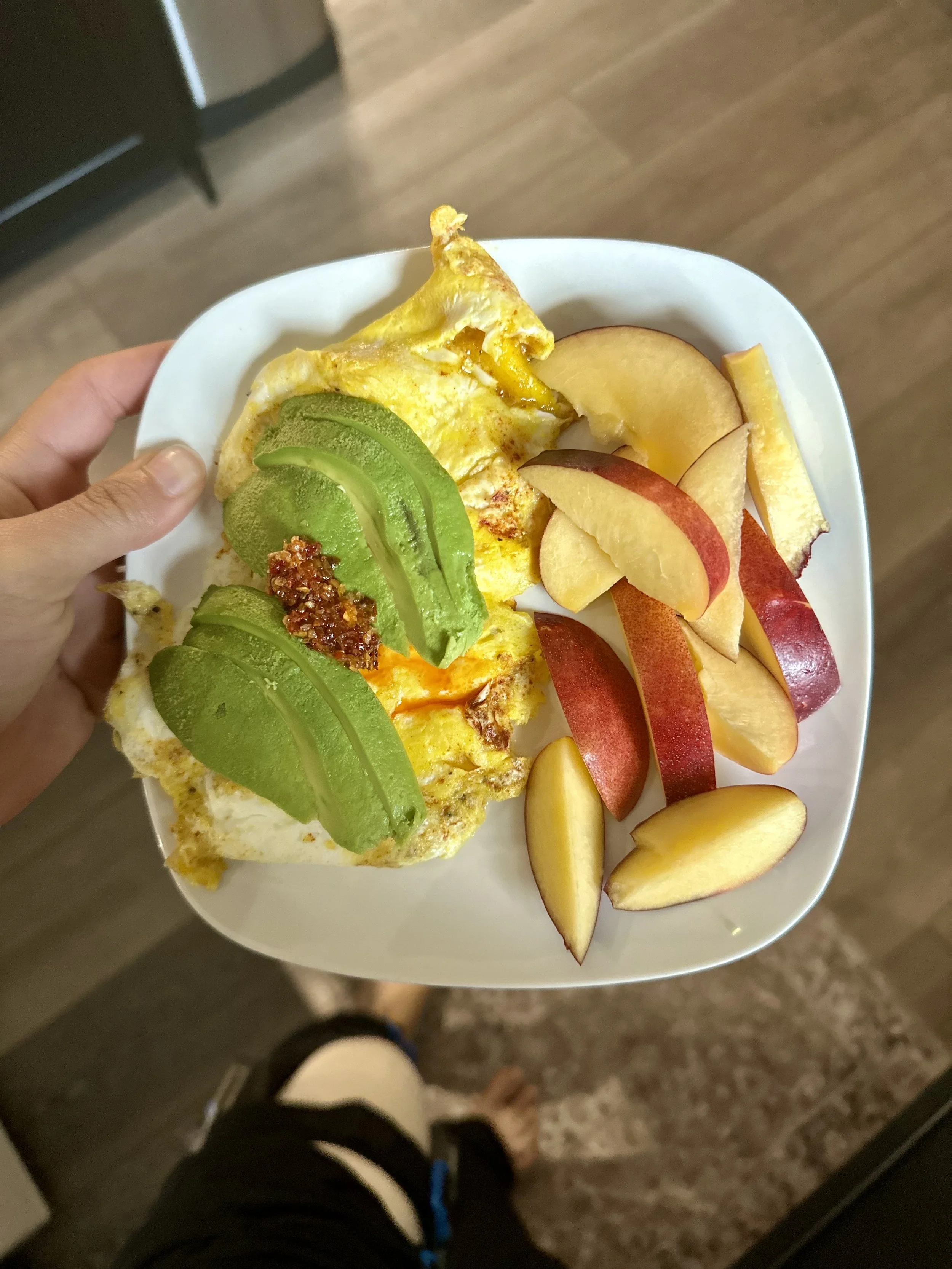
reflection - Relearning what “fat” means
One of my biggest misconceptions was that when I heard the word fat, I automatically thought bad fats. As an athlete burning so many calories in practice, I eventually learned that higher-fat foods were actually necessary at times—especially in the offseason—to help me maintain size and feel satisfied after meals.
But during recovery, I started noticing something I hadn’t really paid attention to before: when most of my fats were coming from more processed, “junk” sources, I didn’t feel the same. My energy felt off, my body felt more inflamed and sluggish, and overall I just didn’t feel like I was supporting healing the way I thought I was.
And as a competitive athlete returning to the mat, I couldn’t afford to treat nutrition like an afterthought—I needed it to actually support my recovery, strength, and performance.
That’s what pushed me to start researching the difference between healthy fats and less supportive fats. I began paying attention to where my fats were coming from and tried to include a fat source with most meals—not obsessively, just intentionally. That’s also when I learned about omega-3s, and how they’re often talked about as a powerhouse for recovery support. I wasn’t trying to chase perfection—I just wanted my nutrition to match my goal: heal well and come back strong.
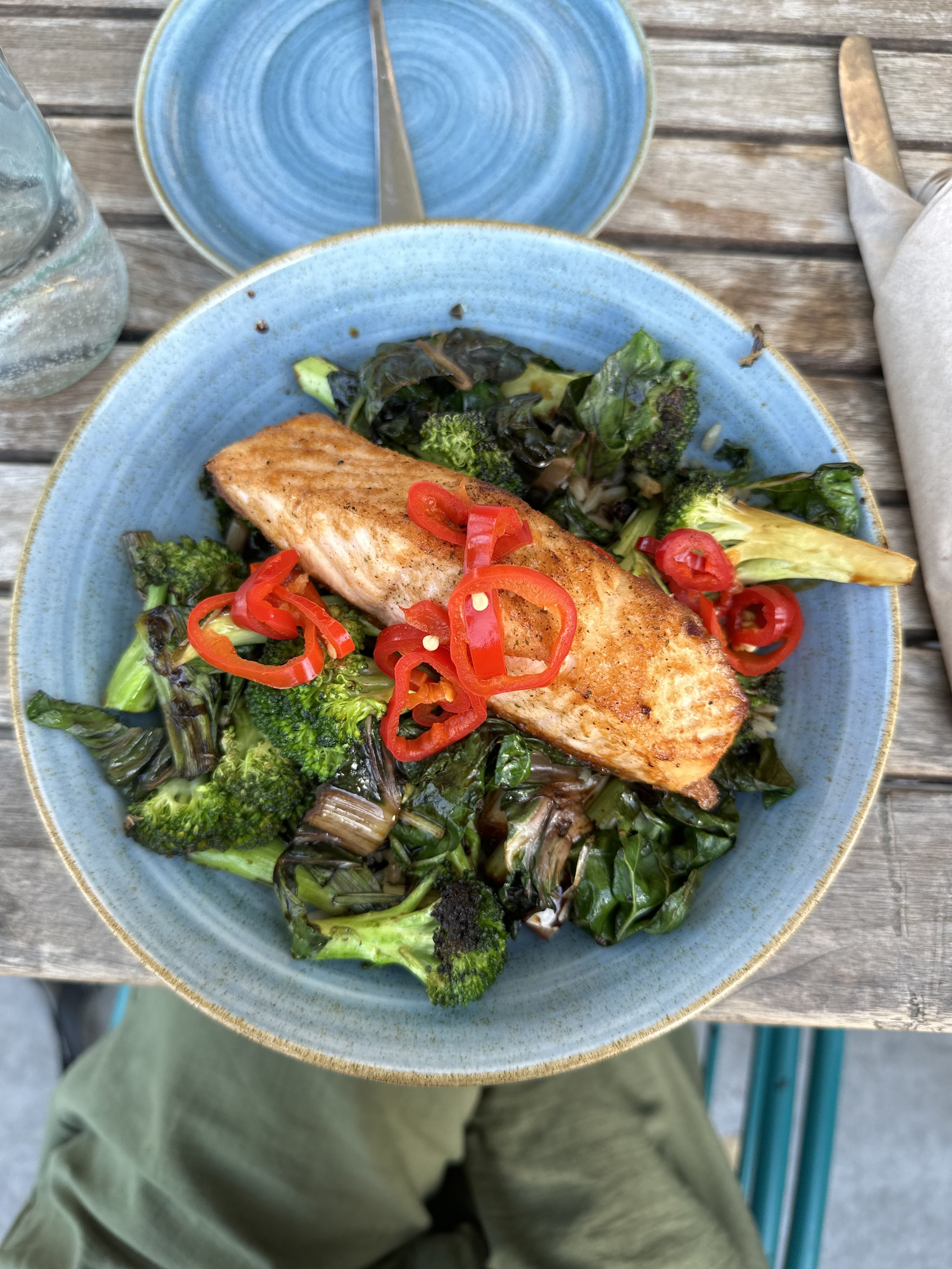
Easy Way To Add Fats Into Your Diet
These are a just a few simple ways I add fats to my diet — no meal plan needed.
Examples:
Adding avocado to a meal you already like
Using olive oil in cooking or as a finishing drizzle
Choosing nuts, nut butter, or seeds as a topping
Including eggs or salmon occasionally when it fits your routine
These small choices add up — especially over weeks of rehab.
A Note About Timing
Fats digest slower, which can be helpful for staying full and steady. I prefer consuming heavier fats later in the day, and keeping pre-workout meals lighter, especially since they’re close to training.
All athletes have different preferences, and may be sport-dependent how you’re choosing to implement them into your meal planning. The most important thing is monitoring how your body responds.
Sources: ASPDA Hydration & Fueling Downloadables | NATA Injury Recovery & Rehabilitation Nutrition | UIOWA Women’s Wrestling Nutrition Team | Allison Mankowski